TRANSJAKARTA JUST RANKED 2ND BEST IN ASEAN — HERE'S WHY THAT'S A BIG DEAL
Jakarta's blue bus network beat out almost every city in Southeast Asia. Only Singapore is ahead. Here's what changed — and what still needs work.
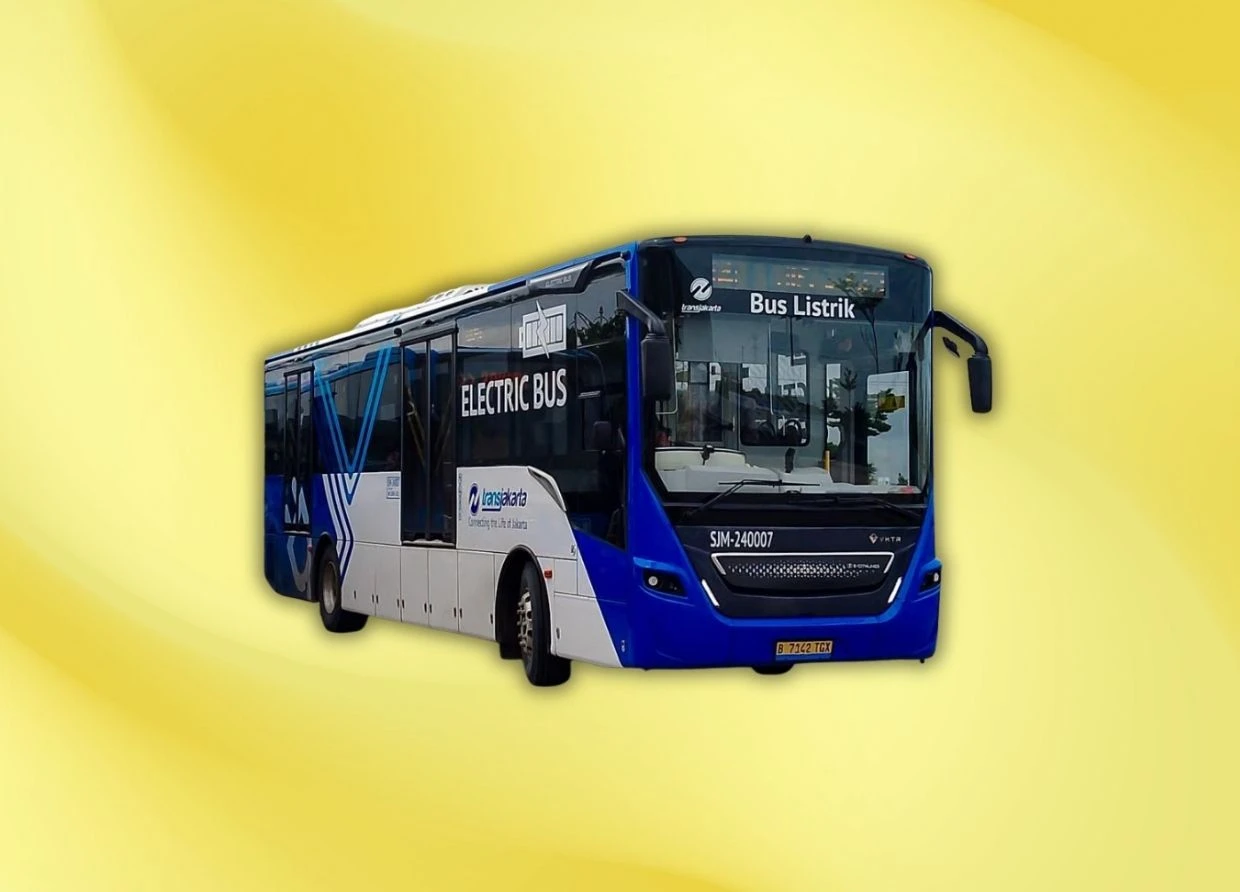


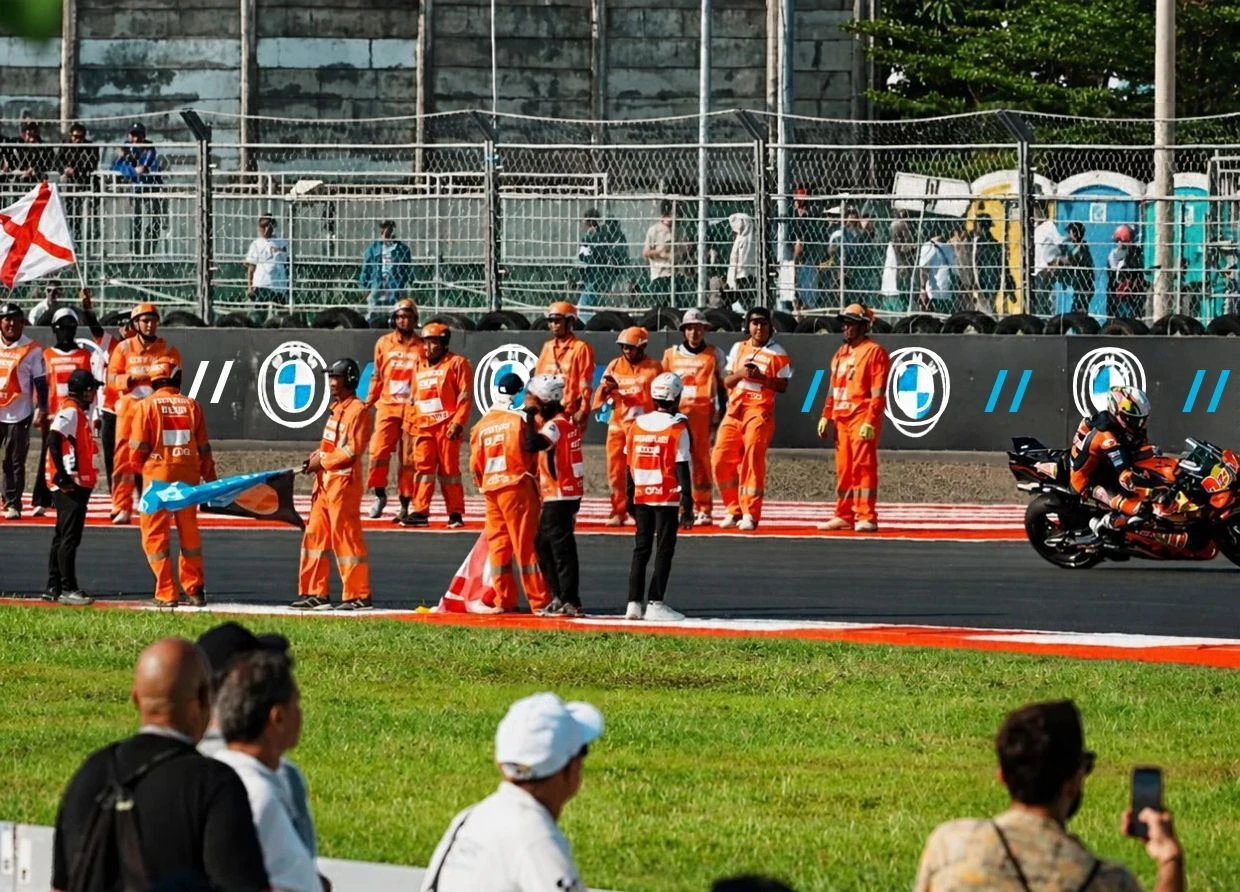

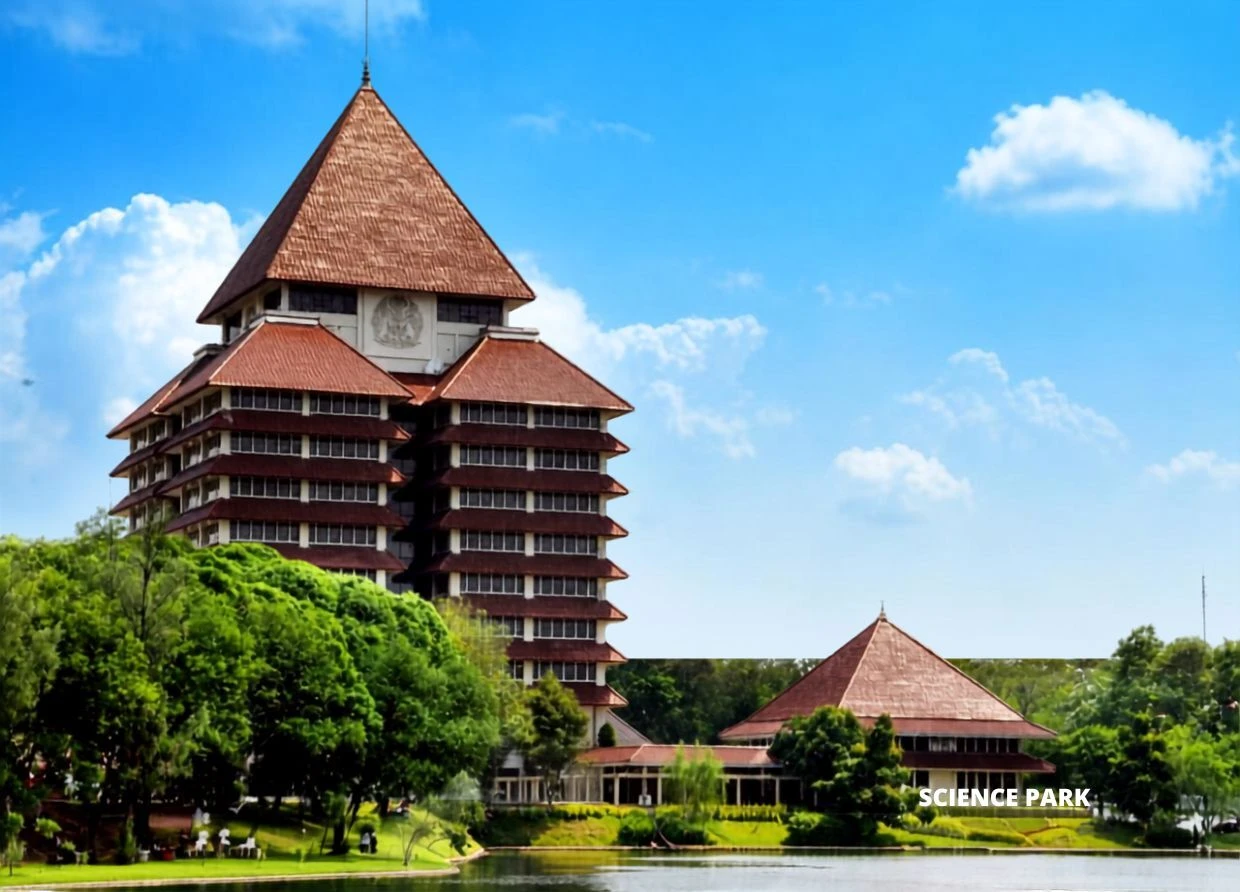
Forget the stereotype of Jakarta being stuck in traffic forever. In April 2026, an Instagram post from cretivox went viral with a headline many Jakartans didn't expect to see: Transjakarta ranked second-best public transport system in all of ASEAN — and 17th in the entire world, according to data sourced from Time Out's global ranking.
Only Singapore sits higher in the region. That's not a small thing. Jakarta is now ahead of Kuala Lumpur, Bangkok, Manila, and Ho Chi Minh City.
What exactly is Transjakarta — and how did it get here?
Transjakarta is Jakarta's Bus Rapid Transit (BRT) network — the largest BRT system in the world by fleet size. It runs dedicated bus lanes across the city, connecting major districts from Blok M in South Jakarta all the way to Kota in the north. The service first launched in 2004 and has been expanding ever since. As of 2026, it now covers approximately 92.5% of Jakarta's total urban area, making it one of the most geographically extensive transit systems in Southeast Asia.
The ranking, sourced from Time Out's global cities index and reported through GNFI (Good News From Indonesia), placed Jakarta ahead of cities like Oslo, Warsaw, and Edinburgh — places that most people would assume had better public transport by default.
Why does this ranking matter for everyday commuters?
The improvement isn't just a number on a list. Transjakarta has quietly expanded its routes, added electric buses to its fleet, and integrated its ticketing with the Jakarta MRT and KRL Commuter Line. A Jakartaner today can tap in once and transfer between systems — something that wasn't possible five years ago.
The atmosphere at a Transjakarta stop has changed too. The busway corridors — once loud, hot, and chaotic — have been upgraded at major hubs. Air conditioning is now standard on most routes. Real-time arrival boards show estimated wait times. It still gets crowded during rush hour (the K1 Blok M–Kota corridor can feel like a full stadium at 8am), but the experience of using the system has become noticeably smoother.
How does Jakarta compare to other cities on the world list?
The full Time Out ranking puts Hong Kong (SAR) at number one globally, followed by Shanghai, Beijing, Abu Dhabi, and Taipei in the top five. London comes in at sixth. Jakarta at 17th beats Oslo (16th is actually Oslo — Jakarta is right behind it), Warsaw, and Tallinn. Singapore, the only ASEAN city ranked above Jakarta, sits at 12th globally.
The counterintuitive detail: cities like Brighton and Edinburgh — small UK cities with famously scenic but limited transit networks — appear on the list, while major transit hubs like Tokyo, Paris, and New York don't make the top 19. The ranking appears to weight livability and user satisfaction alongside raw capacity.
What still needs improvement?
A ranking is a snapshot, not a finish line. Jakarta's road congestion still slows down buses that share lanes with private vehicles. The last-mile problem — getting from a bus stop to your actual destination — remains genuinely difficult in many outer areas. And the 92.5% coverage figure doesn't always mean frequent service; some routes run every 30–45 minutes.
Still, the trajectory is clear. A city that was once synonymous with gridlock is now being studied by other ASEAN capitals as a model. That's the kind of data point worth knowing.