THESE 8 INDONESIAN STUDENTS ARE COMPETING TO CHANGE VILLAGES.
8 university teams compete at Genera-Z Berbakti 2026 Grand Final — BCA's national student social innovation competition.





Somewhere on a boat in the waters off Bangka Belitung, a group of students from UIN Sunan Gunung Djati Bandung is pitching a vision for eco-tourism that runs itself digitally. Their rivals from Universitas Gadjah Mada are refining a green-blue economy blueprint for the same village. Neither team knows yet who will win. Both know that winning means their idea gets built — for real, in a real place, for real people.
This is Genera-Z Berbakti 2026.
What Is Genera Z Berbakti ?
Genera-Z Berbakti is an annual national social innovation competition organized by BCA through its GoodLife program. Open to Indonesian university students, the program invites teams to submit proposals addressing real development challenges in Indonesian villages — covering areas like sustainable tourism, environmental management, health, food security, and local economic empowerment. In 2026, eight finalist teams were selected from hundreds of proposals submitted by students across the country, each representing a different university and competing for a spot in the Grand Final. The top four teams will have the opportunity to implement their ideas directly at a Desa Bakti BCA — a village designated by BCA as a site for community development.
Who Are the 8 Finalists?
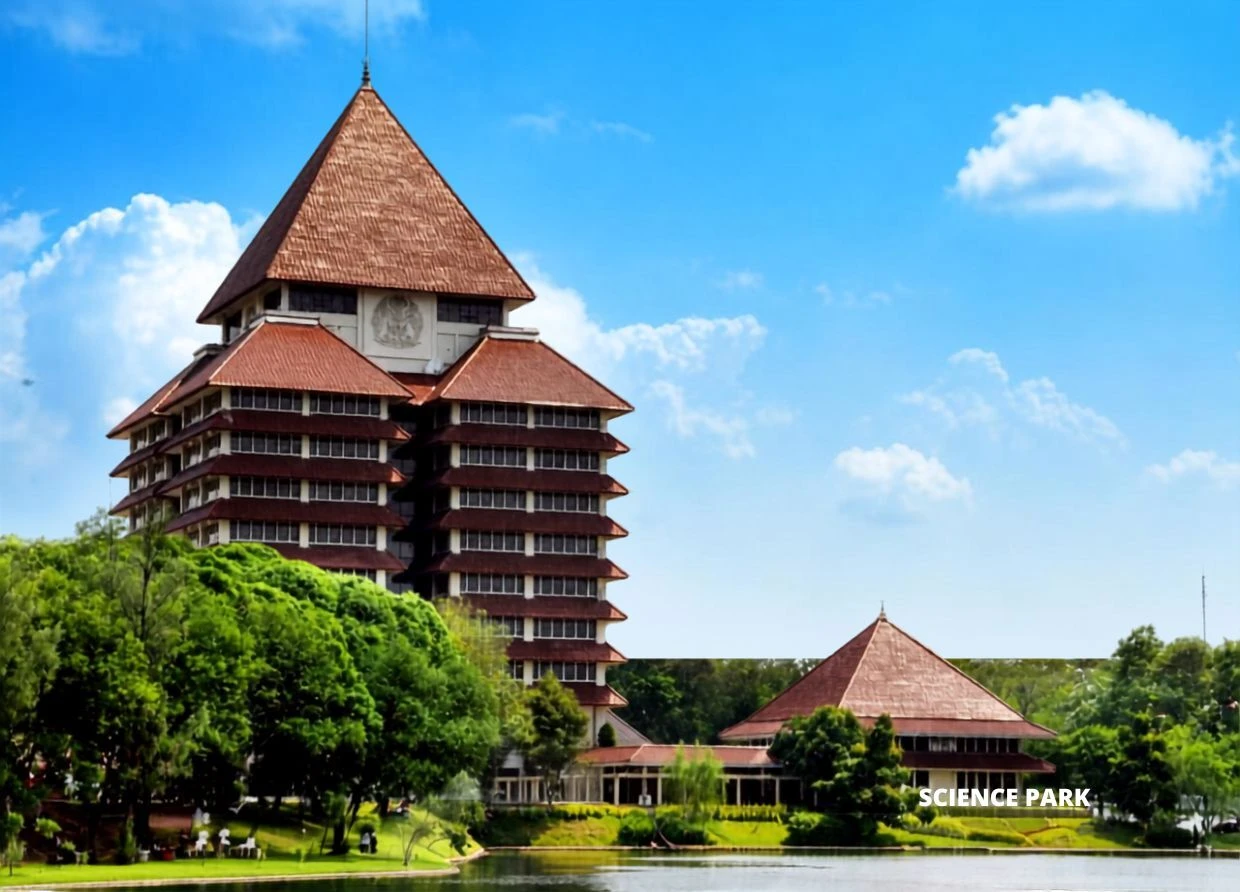
The 2026 finalists represent a wide geographic and academic range. The lineup includes UIN Sunan Gunung Djati Bandung, Universitas Gadjah Mada, Universitas Padjadjaran, IPB University, Universitas Airlangga, Universitas Cenderawasih, Universitas Indonesia, and BINUS University.
Each team has been paired against another in a bracket format, with match-ups assigned to specific village locations across Indonesia. UIN Sunan Gunung Djati Bandung faces Universitas Gadjah Mada at Desa Wisata Kreatif Terong in Kepulauan Bangka Belitung. Universitas Padjadjaran competes against IPB University at Desa Wisata Situs Gunung Padang in West Java. Universitas Airlangga squares off with Universitas Cenderawasih at Desa Wisata Patakbanteng in Central Java. And in North Sulawesi, Universitas Indonesia and BINUS University both make their case at Desa Wisata Kakaskasen Dua.
What Ideas Are They Bringing?
The proposals go well beyond standard student project territory. Universitas Airlangga's entry — named Amerta Pertiwi — focuses on weaving sustainability through circular technology and women's health empowerment. BINUS University counters with MAPALUS, a Minahasan cultural preservation framework combining local arts, skills training, and sustainability principles.
IPB University's Sabilulungan LESTARI addresses waste management, traditional medicinal plants, and agroforestry as an integrated village economy model. Meanwhile, Universitas Indonesia's KATALIS proposes transforming Kakaskasen Dua into a hub for agriculture, wellness tourism, and local innovation.
Why Does This Competition Matter?
The counterintuitive part: most social innovation competitions end at the pitch. Genera-Z Berbakti ends at the implementation. The top four teams do not just win a trophy — they move their idea from slide deck to ground level, working in villages that real Indonesian communities call home.
For students at Universitas Cenderawasih in Papua — one of Indonesia's most geographically isolated universities — reaching the Grand Final of a national competition against Universitas Gadjah Mada is itself a statement. Their proposal on transforming villages through integrated health innovation, environmental management, and food security reflects the kind of on-the-ground thinking that often gets overlooked in Jakarta-centric conversations about development.
The Grand Final will determine which four teams earn the right to build. For Indonesia's young generation, that is the only prize that counts.