THE INDONESIAN WOMAN HOLLYWOOD FORGOT TO CREDIT
Devi Dja was the first Indonesian in Hollywood — a dancer who performed in major films and fought for independence. Here's the story rarely told.
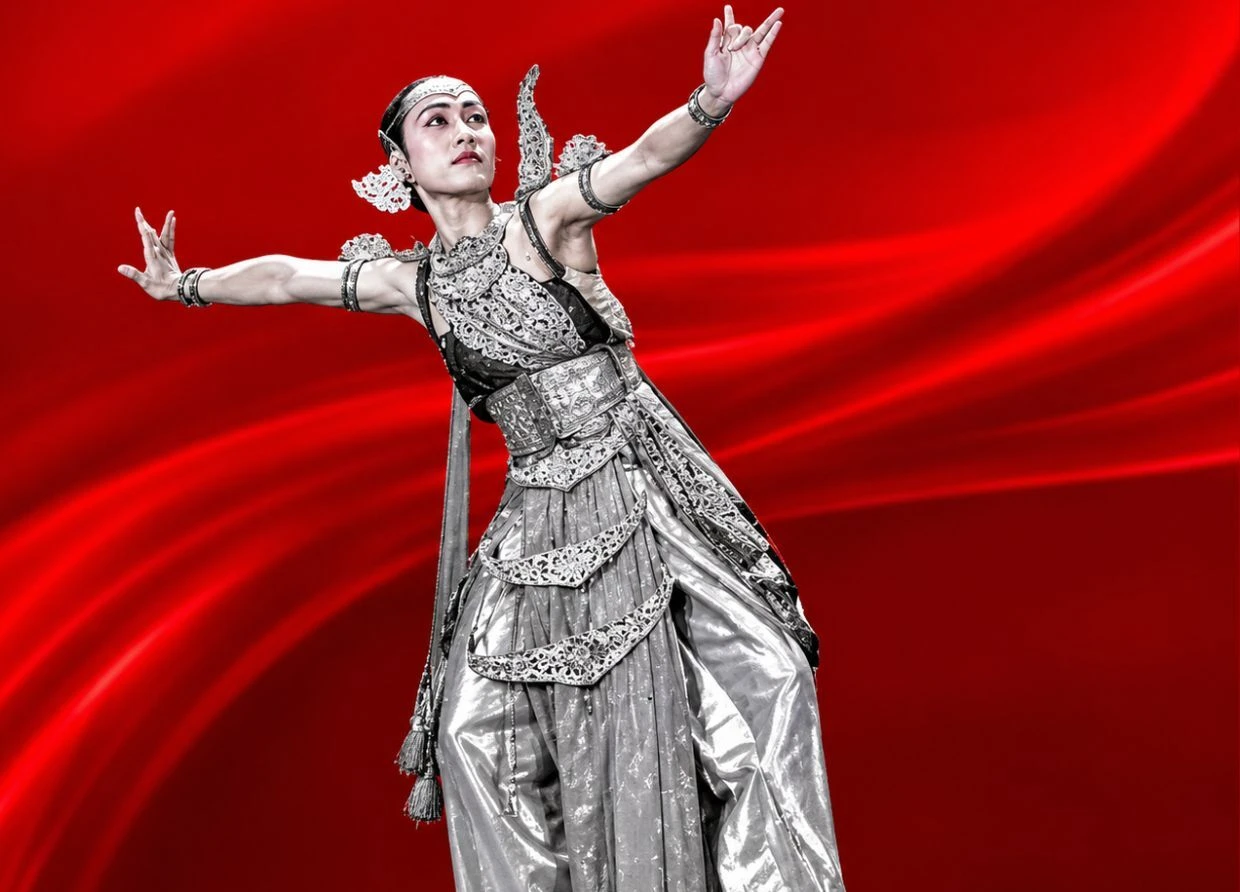




She couldn't read or write. She grew up busking with her grandparents on the streets of colonial Java. And somehow, she ended up on Hollywood sets, choreographing dances for films starring Bing Crosby — decades before anyone was talking about Asian representation in cinema.
Her name was Soetidja. The world knew her as Devi Dja.
Who Was Devi Dja?
Devi Dja was an Indonesian dancer, actress, and choreographer born in Yogyakarta on August 1, 1914. Her father served as a soldier in the Kraton royal court. Her grandparents were street musicians — playing kendang and siter for passing crowds. That was her first school.
Education in colonial Indonesia was reserved for the Dutch and the indigenous elite. Soetidja was neither. So she learned through movement instead of books.
She eventually joined Dardanella, a hugely popular traveling theater group led by a Russian man named Piedro — who later became her husband. The group grew to 150 members: dancers, singers, musicians, comedians. As its star performer, Soetidja took the stage name Miss Dja, later written as Dewi Dja or Devi Dja.
Dardanella toured Malaysia, Singapore, Hong Kong. Then in 1939, they crossed into the United States and Europe. Devi Dja never came back to stay.
How Did She Break Into Hollywood?
She didn't audition. She arrived already famous — a specialist in traditional Balinese and Javanese dance at a time when American audiences had never seen anything like it.
Hollywood noticed. She appeared in or contributed choreography to films including Road to Singapore, Road to Morocco, The Picture of Dorian Gray, and the TV series Terry and the Pirates. Her name rarely appeared in the credits.
That missing credit isn't a small footnote — it's the whole story. A woman who helped shape the visual language of mid-century Hollywood exotica was systematically unnamed.
"On foreign stages, Devi Dja never claimed the dances she performed were her own creation. She always said: this is traditional dance — it belongs to Indonesia." — based on accounts from Perpustakaan Nasional, 2025
She Also Fought for Indonesian Independence — From Los Angeles
Here's the part that doesn't fit the usual narrative: while building a career in American entertainment, Devi Dja was simultaneously lobbying for Indonesian independence.
In 1947, she welcomed a delegation of Indonesian officials — including Sutan Sjahrir and H. Agus Salim — who had traveled to the US seeking international support for independence. She worked closely with the American Committee for Indonesia's Independence (ACII), staging traditional dance performances that ended with political speeches from ACII's leadership.
Her proximity to that activism got her interrogated by the FBI, who suspected communist ties. It didn't slow her down. Her Los Angeles studio became a regular gathering point for the Indonesian diaspora.
She became a US citizen — the first Indonesian woman documented to have done so — not out of abandoning her identity, but because she believed American citizenship gave her more freedom to do her art and her advocacy.
She died in 1989 and was buried in Hollywood Hills.