AN INDONESIAN ARTIST JUST MADE HISTORY AT VENICE BIENNALE 2026
Yogyakarta artist Dian Suci wins the 10th Max Mara Art Prize for Women at Venice Biennale 2026 — the first Indonesian to claim this prize.
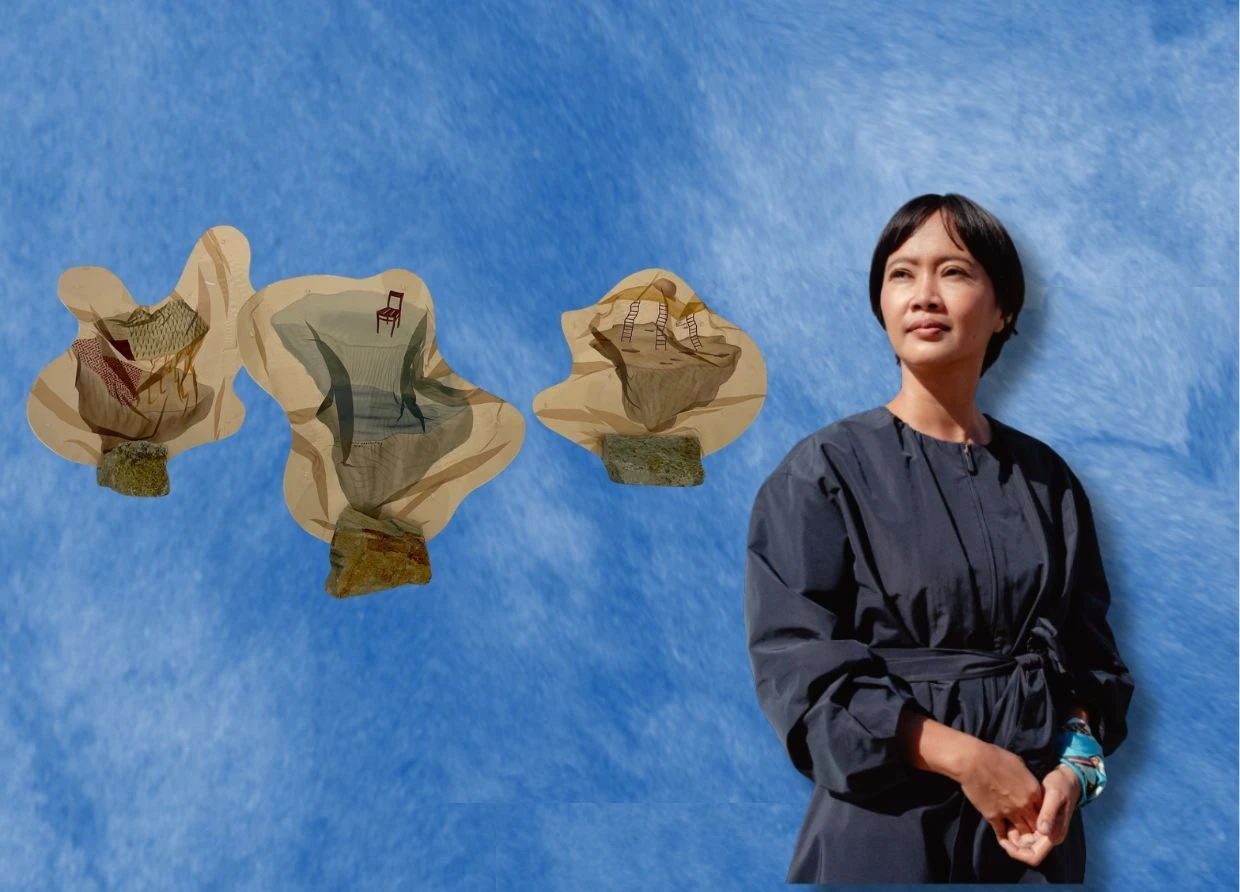


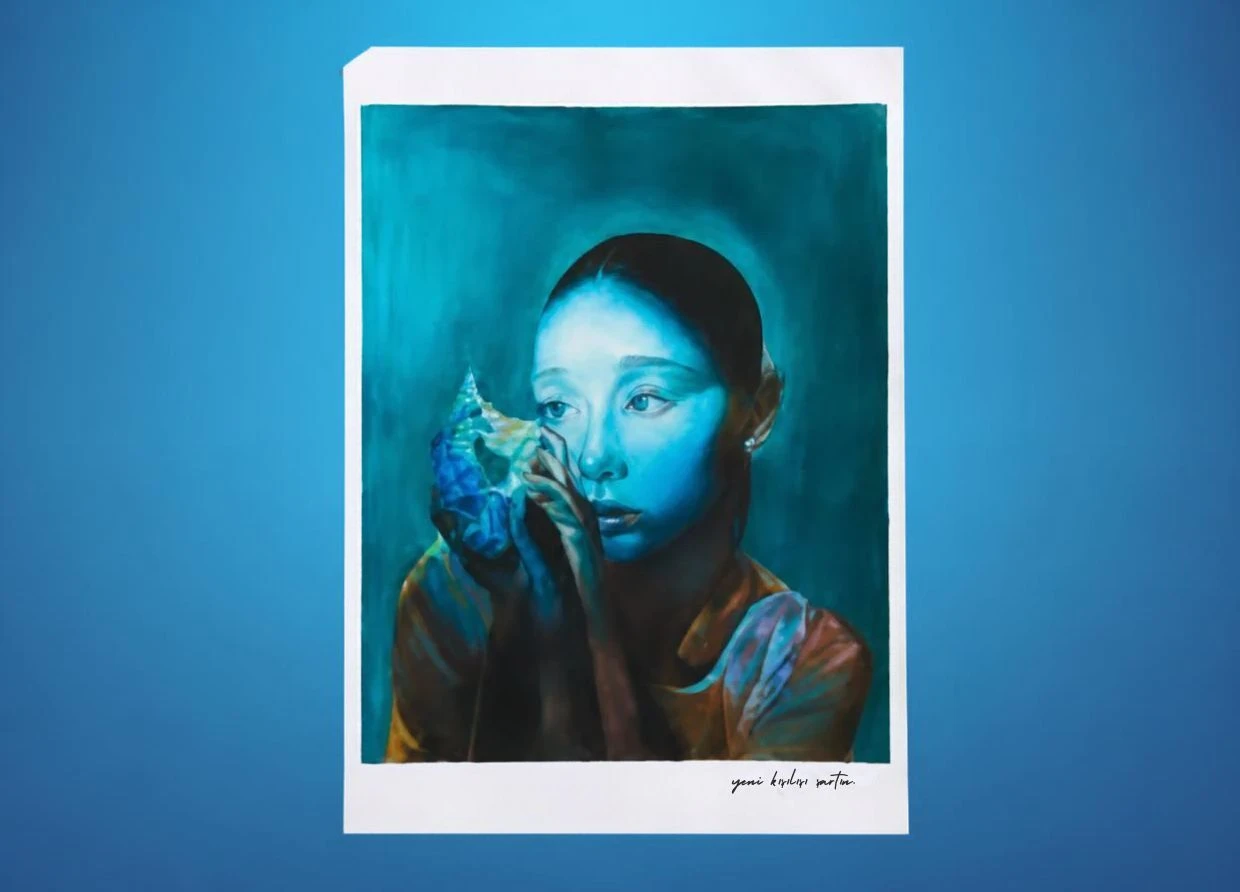
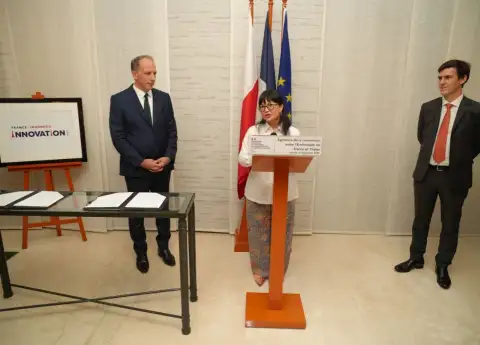
The announcement came on a Wednesday evening in Venice, surrounded by the scent of canal water and the low hum of art world conversation. Dian Suci — a Yogyakarta-born visual artist — was named the winner of the Max Mara Art Prize for Women (2025–2027) at the opening of the 61st Venice Biennale. No Indonesian artist had done this before. Not in 21 years since the prize was founded.
What is the Max Mara Art Prize for Women?
The Max Mara Art Prize for Women is a biennial award established in 2005, dedicated to supporting the careers and creative development of women artists. It is organized by Collezione Maramotti in collaboration with the Whitechapel Gallery in London. The prize offers a six-month exclusive residency across multiple cities in Italy, and culminates in a solo exhibition at a major art institution. The 10th edition was announced on May 7, 2026, in Venice, Italy, with Dian Suci as the winner.
Dian was selected from five finalists by an international jury chaired by curator Cecilia Alemani — the same person who directed the 59th Venice Biennale. The jury also included Venus Lau, Director of Museum MACAN, Jakarta; curator Amanda Ariawan; gallerist Megan Arlin; collector Evelyn Halim; and visual artist Melati Suryodarmo.
Who is Dian Suci ?
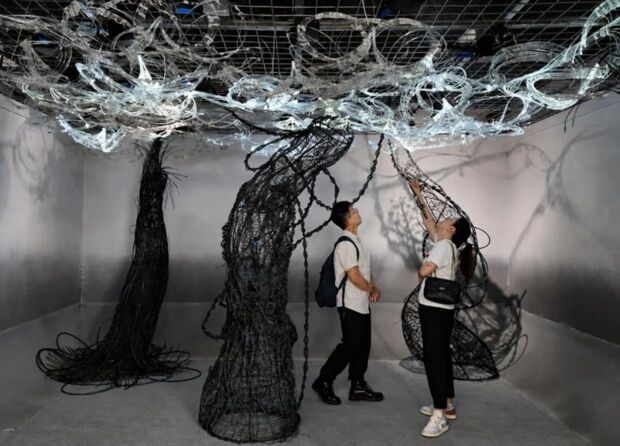
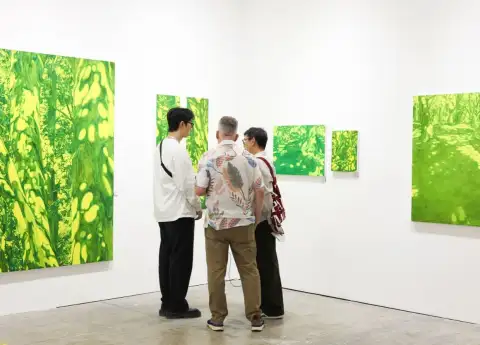
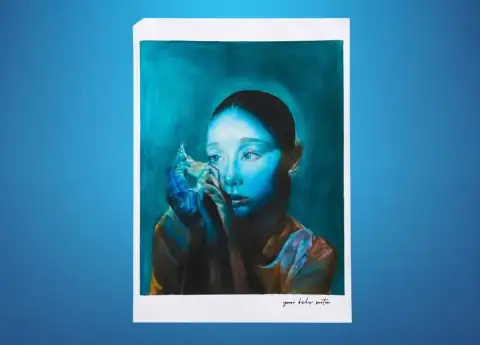
Dian Suci is a visual artist from Yogyakarta, Indonesia, known for navigating multiple media and cultural disciplines — weaving together religious craft traditions, domestic narratives, and feminist inquiry. Her practice pulls you in quietly: there are no loud declarations, just objects and textures that hold a lot of weight. Her 2024 work, Larung May the Blooms Be Carried Safely through the Night, is a good entry point — red fabrics, carved wooden structures, and ritual objects that sit somewhere between altar and archive.
What will she do during the Italy residency?
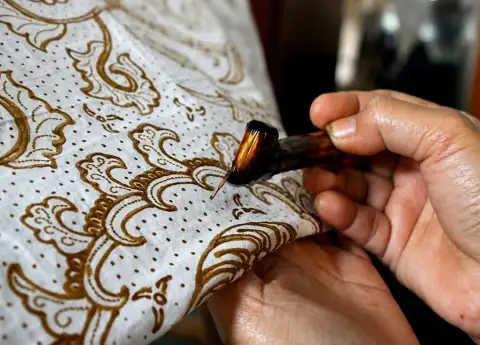
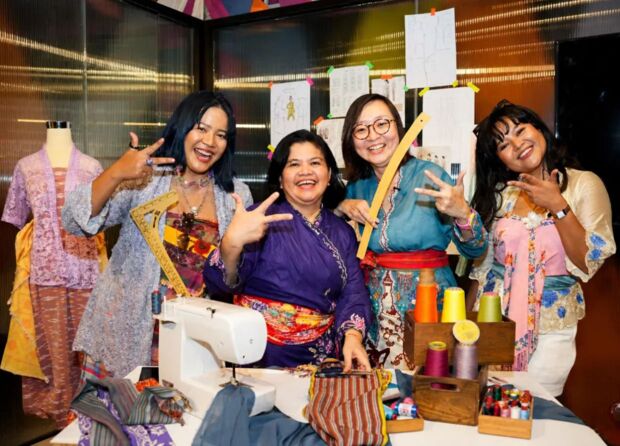
As the prize winner, Dian will spend six months traveling through Assisi, Roma, Lecce, and Firenze — all organized by Collezione Maramotti. The residency is built around her project titled Crafting Spirit: Cultural Dialogues in Heritage and Practice, a comparative study of how the religious craft traditions of artisans collide with capitalist systems in both Italy and Indonesia. It's a surprisingly urgent subject: what happens to spiritual handcraft when the market moves in?
Here's the counterintuitive part: Italy and Indonesia, two countries that feel worlds apart geographically, share deeply similar tensions between artisan heritage and modern commerce. Dian is building a bridge that very few people thought to cross.
Where can you see her work?
The residency will culminate in a solo exhibition at Museum MACAN in Jakarta, scheduled for summer 2027. The works will then travel to Collezione Maramotti in Reggio Emilia, Italy — where they will be permanently acquired into the collection. That means Indonesian contemporary art, made by a Yogyakarta artist, will live inside one of Europe's most respected private art institutions. Permanently.
Why does this matter for Indonesian art?
This is not just a personal win. It is the first time in the prize's two-decade history that an Indonesian artist has been recognized. For Indonesian contemporary art on the global stage, this is a data point that will be cited for years — the kind of milestone that opens doors for the next generation of artists who have been doing serious work without the international visibility it deserves.