THE TREES WERE THE FRAME. THE PAINTINGS WERE THE STORY.
What happened when 26 galleries brought their best paintings to an urban forest in the middle of Jakarta — and why it mattered more than you think.


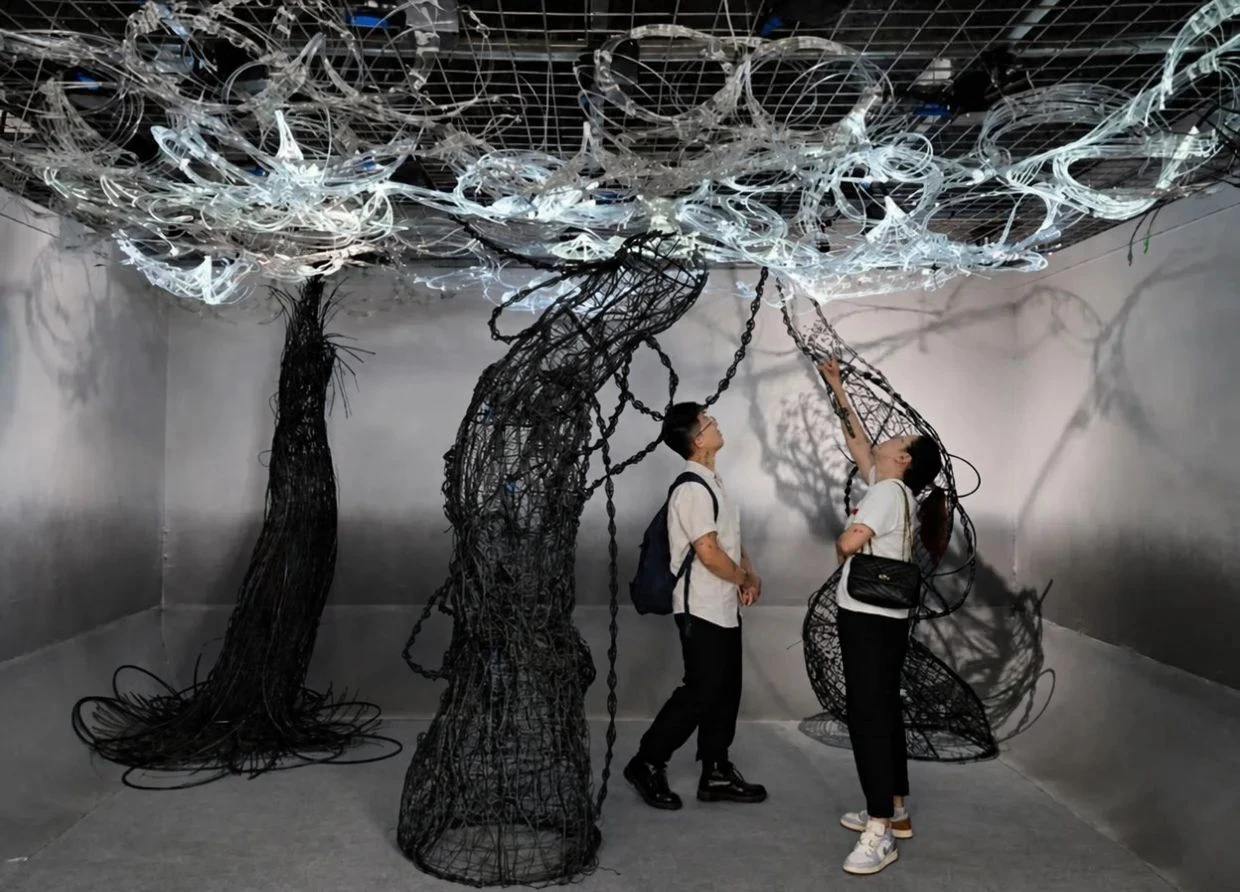
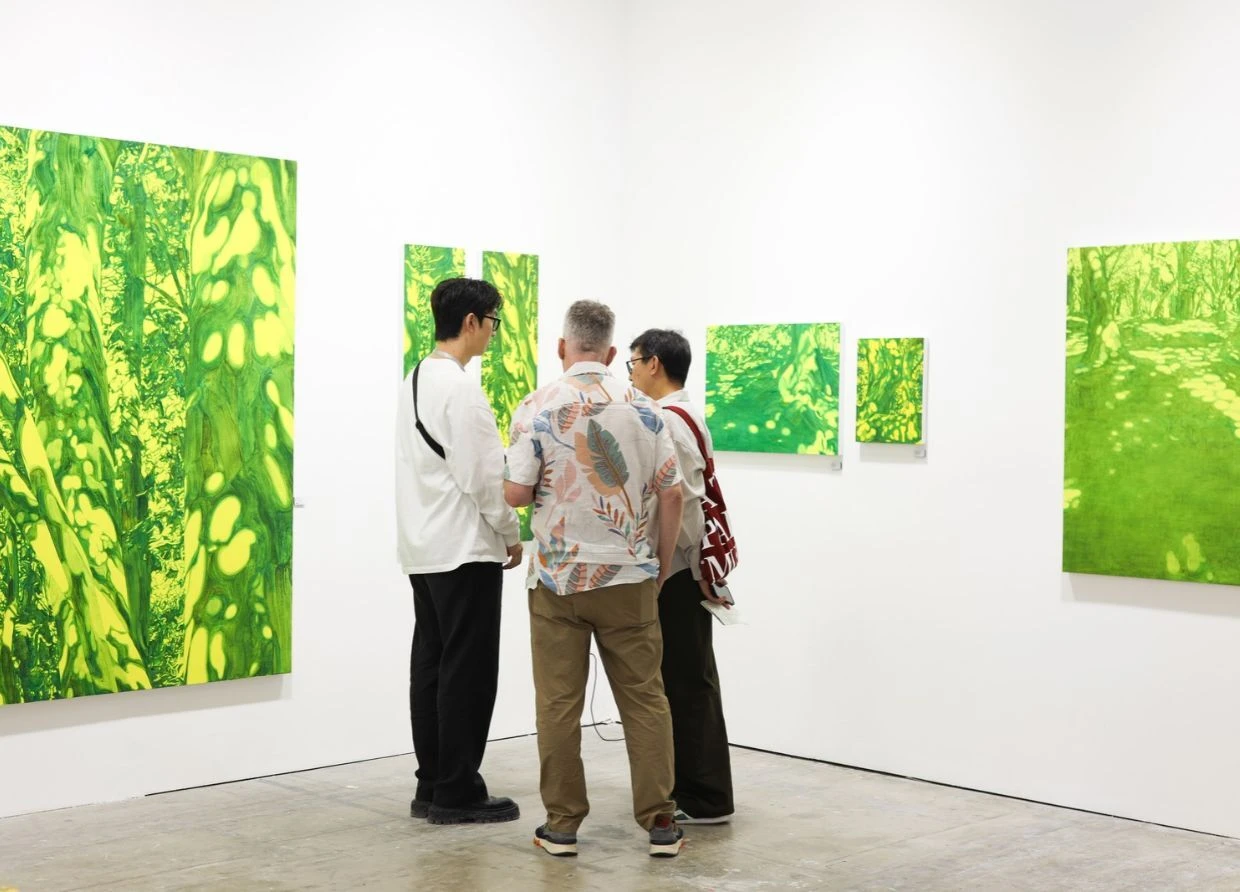

Walk into Hutan Kota by Plataran on a weekday morning and the air still smells of damp earth and fresh-cut grass. That's the backdrop Art Jakarta Gardens chose — on purpose — for its fifth edition. The smell of nature before you even see a single canvas.
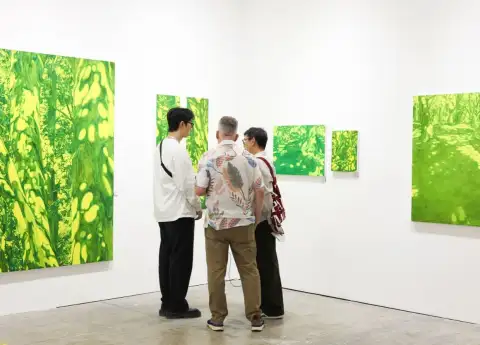
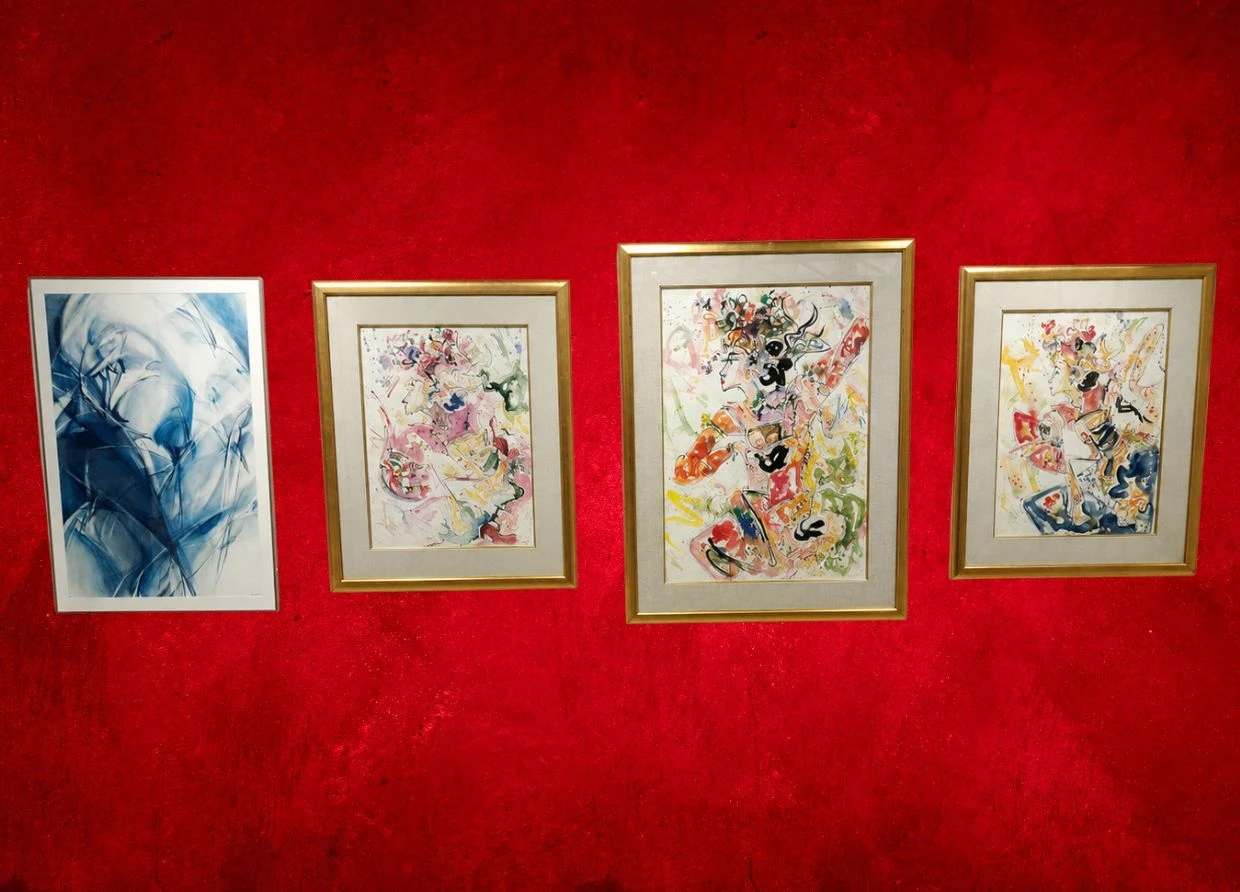
This year's fair brought together 26 galleries from Indonesia and across Asia — including new participants from Kuala Lumpur, Taipei, and Seoul — across two dedicated indoor tents, Tent A and Tent B. The paintings inside weren't organized like a museum. They were curated to compete: a tight abstract oil from Semarang Gallery on one wall, a dense pixel-like grid piece from Gajah Gallery catching light from the opposite side.
What Kind Of Painting Were Shown at Art Jakarta Gardens 2026?
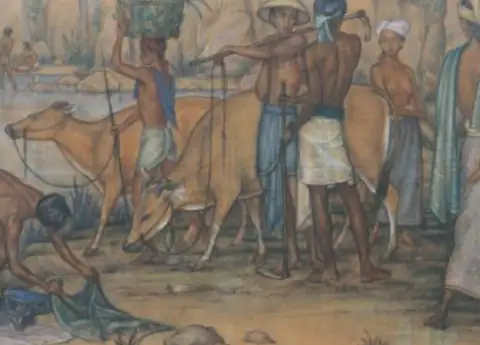
The range was deliberately broad. Galleries like ISA Art Gallery, Nadi Gallery, CAN'S Gallery, and Puri Art Gallery each brought a distinct visual language — meaning you could move from expressive figurative portraits in one booth to layered, semi-abstract landscapes in the next without the experience ever feeling repetitive.
Five galleries joined the fair for the first time this year, three of them from the Asian region. That's not a small thing. It means Indonesian painters were now being evaluated against, and often next to, contemporary work from Seoul and Taipei — cities with wildly different collector cultures. The paintings held their own.
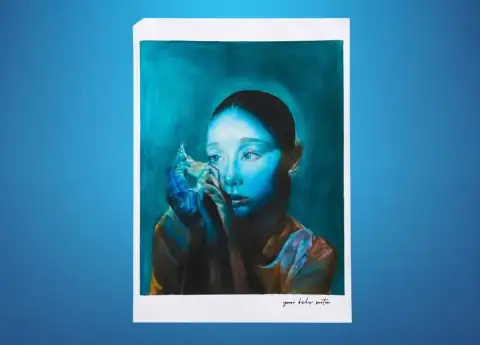
One of the most photographed spaces in Tent B: a large-scale facial portrait surrounded by jewel-like painted embellishments, hung next to an explosive, confetti-burst abstract. The two works shouldn't have worked together. They did.
What Else Happened Beyond the Paintings?
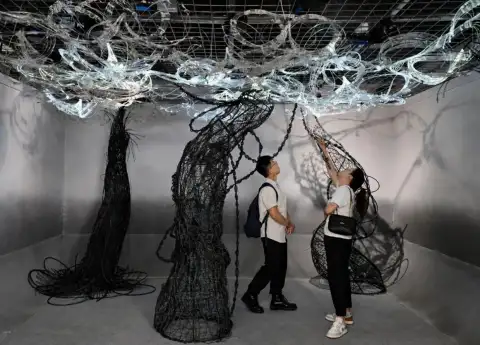
The Sculpture Garden — 31 works scattered through the tropical green — was its own separate experience. Works by Nyoman Nuarta, Arkiv Vilmansa, Naufal Abshar, and Iwan Suastika stood between trees and beside water features. At dusk, when the light dropped, the shadows from those sculptures moved.
The music program, curated by Plainsong Live and backed by Bakti Budaya Djarum Foundation, featured Ali, The Cottons, BABON, and Batavia Collective. The result was a fair that felt less like an exhibition and more like a cultural Saturday — except it ran six days, and Minister of Culture Fadli Zon was there for the opening.