INDONESIAN HORROR IS WHAT THE WORLD IS SEARCHING FOR
While K-Pop built Korea's global identity, Indonesian horror films are now what fans worldwide can't stop watching and streaming platforms are paying attention.



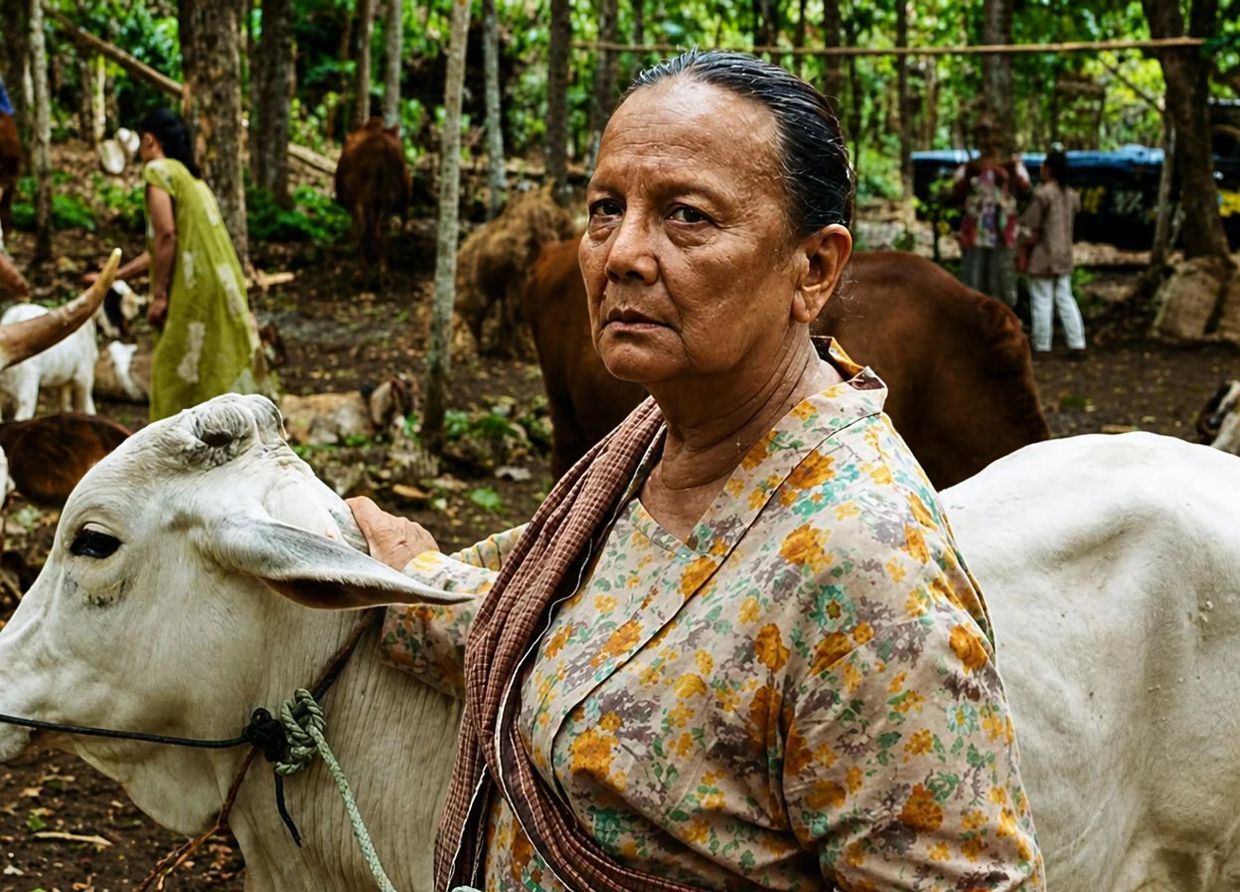

It starts before you even press play. A darkened village at dusk. A low drone on the soundtrack. The sense that something old and deeply local is about to crawl out of the screen. That feeling — specific, atmospheric, rooted in Indonesian folklore — is exactly why film lovers around the world are now actively looking for Indonesian horror.
Director Joko Anwar put it plainly in a recent interview on the Nasution Books podcast: if Korea built its global entertainment identity on K-Pop and drama, then Indonesia has its equivalent in horror. The genre is not a side hustle for the local industry — it is the industry's most consistent, most-exported calling card.
Why Is Indonesian Horror Suddenly Going Global?
The short answer: it was never really sudden. Indonesian horror has been filling local cinemas for decades, drawing on a mythology that most Western audiences have never encountered. Kuntilanak, pocong, sundel bolong — these are not watered-down movie monsters. They come loaded with cultural context, belief systems, and a particular kind of dread that does not translate from jump-scare template horror.
What changed is distribution. When Netflix began licensing Indonesian titles aggressively around 2021–2022, films like KKN di Desa Penari suddenly had a global audience. The film — based on a viral Twitter thread about a student cultural immersion trip gone wrong in rural Java — became the most-watched Indonesian film in Netflix history. Viewers in Southeast Asia, Europe, and North America binged it and immediately started searching for more.
What Makes Indonesian Horror Different From Hollywood or Korean Horror?
The texture. Indonesian horror is deeply syncretic — it layers Javanese animism, Islamic belief, colonial-era trauma, and village social dynamics into its scares. Where Hollywood horror tends to center isolated individuals versus supernatural forces, Indonesian horror is almost always communal. A whole community is implicated. A whole belief system is at stake.
Walk into a cinema in Jakarta on any given weekend and the air conditioning is aggressive, the popcorn smells like butter and pandan, and the audience reacts to every scene out loud — screaming, laughing, gasping in a single breath. Horror here is a social event, not a solo Netflix-at-midnight experience. That communal energy is part of what makes the films feel alive.
Who Is Driving the Indonesian Horror Wave?
Joko Anwar himself is the clearest example. His Pengabdi Setan series — loosely translated as Satan's Slaves — brought art-house craft to a commercial genre and screened at international film festivals without losing its mainstream Indonesian audience. A new generation of directors has followed his blueprint: take the folklore seriously, trust the atmosphere, do not explain the mythology away.
The commercial proof is there. Agak Laen, a 2024 horror-comedy hybrid set inside a haunted house attraction, crossed Rp 200 billion at the Indonesian box office. It was funny, scary, and specific to a kind of low-budget hustler culture that Indonesian audiences recognized instantly — and that international viewers found surprisingly relatable.
Where Can You Watch Indonesian Horror Films?
Netflix carries the widest catalogue, including KKN di Desa Penari, Pengabdi Setan 2: Communion, and several Joko Anwar productions. Disney+ Hotstar has expanded its Indonesian content library significantly since 2023. For older titles and deeper cuts, Vidio — Indonesia's homegrown streaming platform — remains the most comprehensive archive.