
UGM JUST PROVED IT'S STILL INDONESIA'S MOST PRESTIGIOUS UNIVERSITY
UGM tops Indonesia's Puspresnas 2026 university ranking with 669 achievements, followed closely by ITS (666) and Universitas Brawijaya (606).
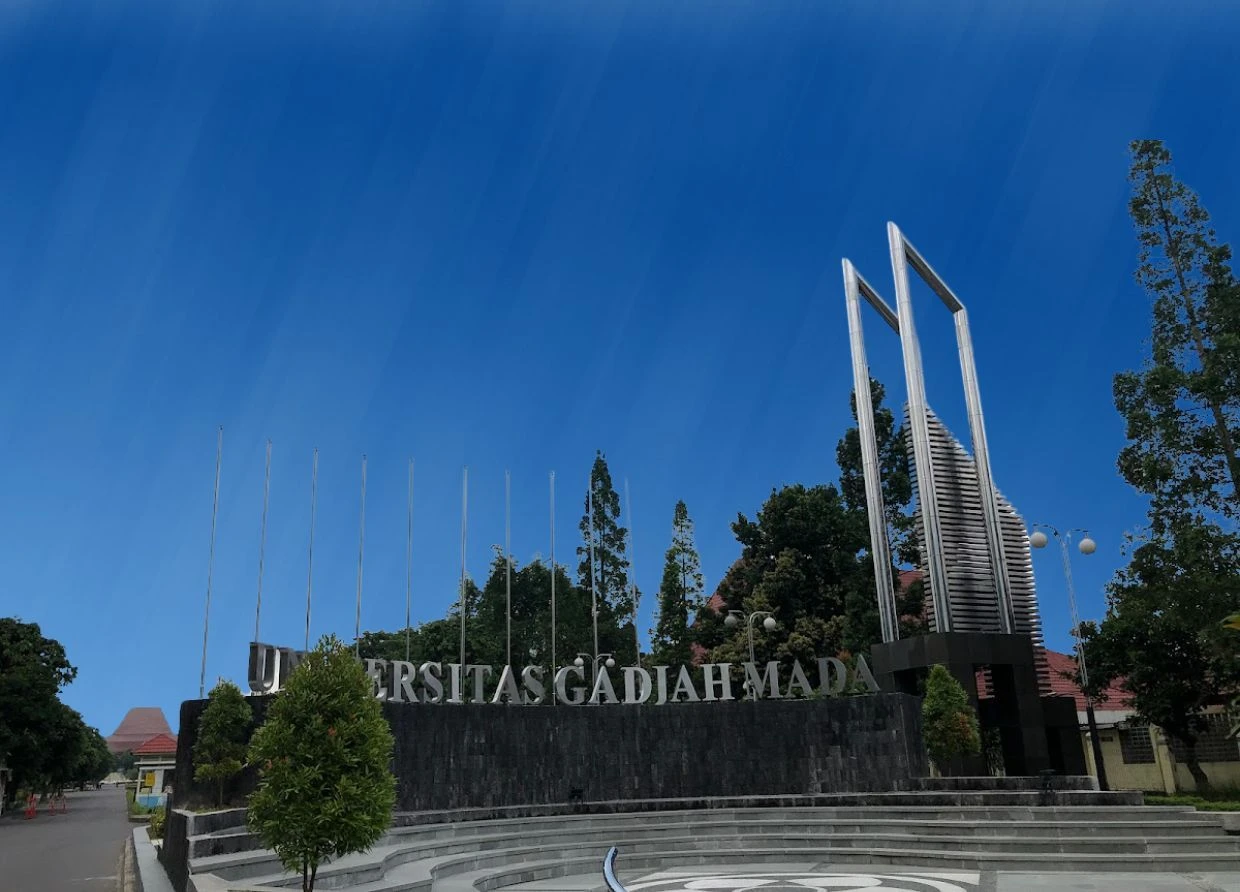





Walk through the main gate of Universitas Gadjah Mada in Yogyakarta and you can feel the weight of institutional history — the colonial-era buildings, the vast lawns, the quiet hum of ambition. That atmosphere now has a ranking to match it. For 2026, Puspresnas — Indonesia's National Achievement Center, under the Ministry of Education — has confirmed what UGM insiders quietly expected: the university sits at number one in Indonesia, with 669 cumulative achievements since records began in 1998.
But what makes this year's list worth paying attention to isn't just who's at the top. It's how narrow the margins have become.
What is the Puspresnas university ranking ?
The Puspresnas ranking — officially published by Pusat Prestasi Nasional, the national body under Indonesia's Ministry of Education and Culture — measures university performance based on the accumulation of student and institutional achievements in academic, arts, and scientific competitions from 1998 to the present. Unlike international rankings that weight research citations or employer surveys, this list is purely about competitive performance over time, making it one of the most uniquely Indonesian ways to measure campus excellence.
The 2026 edition covers all accredited universities across the archipelago, and the results lean heavily toward public institutions — with one notable exception.
Who made the Top 10?
| Number | University | Achievements |
| 1 | Universitas Gadjah Mada | 669 |
| 2 | Institut Teknologi Sepuluh Nopember | 666 |
| 3 | Universitas Brawijaya | 606 |
| 4 | Universitas Negeri Yogyakarta | 504 |
| 5 | Universitas Indonesia | 410 |
| 6 | Universitas Pendidikan Indonesia | 345 |
| 7 | Universitas Negeri Surabaya | 335 |
| 8 | Universitas Diponegoro | 312 |
| 9 | Institut Pertanian Bogor | 300 |
| 10 | Universitas Telkom | 300 |
The most jaw-dropping number in the table isn't 669. It's 666 — ITS's score. Institut Teknologi Sepuluh Nopember, Surabaya's flagship engineering powerhouse, trails UGM by just three achievements. Three. After 28 years of competitive history, the country's most prestigious university title is being contested by a margin thinner than a semester's worth of wins.
Why does UGM keep winning?
UGM's dominance traces back to infrastructure: a network of student achievement clubs, professional coaching staff for national competitions, and a campus culture where winning inter-university contests is treated with the same seriousness as a grade point average. Founded in 1949, it was the first university established after Indonesian independence — and it has spent seven decades building the machinery to stay competitive.
Still, the counterintuitive story in this year's ranking is Universitas Telkom, a private university based in Bandung, tying at tenth place with 300 achievements — matching Institut Pertanian Bogor, one of Indonesia's most established state research universities. It signals a structural shift: private campuses are catching up, faster than most academics anticipated.
What does this mean for university applicants in 2026?
For high school graduates navigating SNBP and SNBT selections this year, this ranking is a useful gut-check, not a definitive guide. Puspresnas measures competitive breadth, not graduate employability or research output. UGM, ITS, and Universitas Brawijaya clearly invest heavily in student achievement culture — but Universitas Indonesia and Institut Teknologi Bandung, conspicuously absent from the top five, consistently rank higher on global research metrics.
The smarter move is to read Puspresnas alongside QS World University Rankings' Indonesia edition and graduate employment surveys — and pick the campus whose culture matches your goals, not just its trophy count.