A RWANDAN VOICE LIT ONE MILLION FLAMES OVER JAKARTA
A Rwandan survivor stood in Jakarta and told the truth. Her book, her words, her silence — and why the world must never look away.
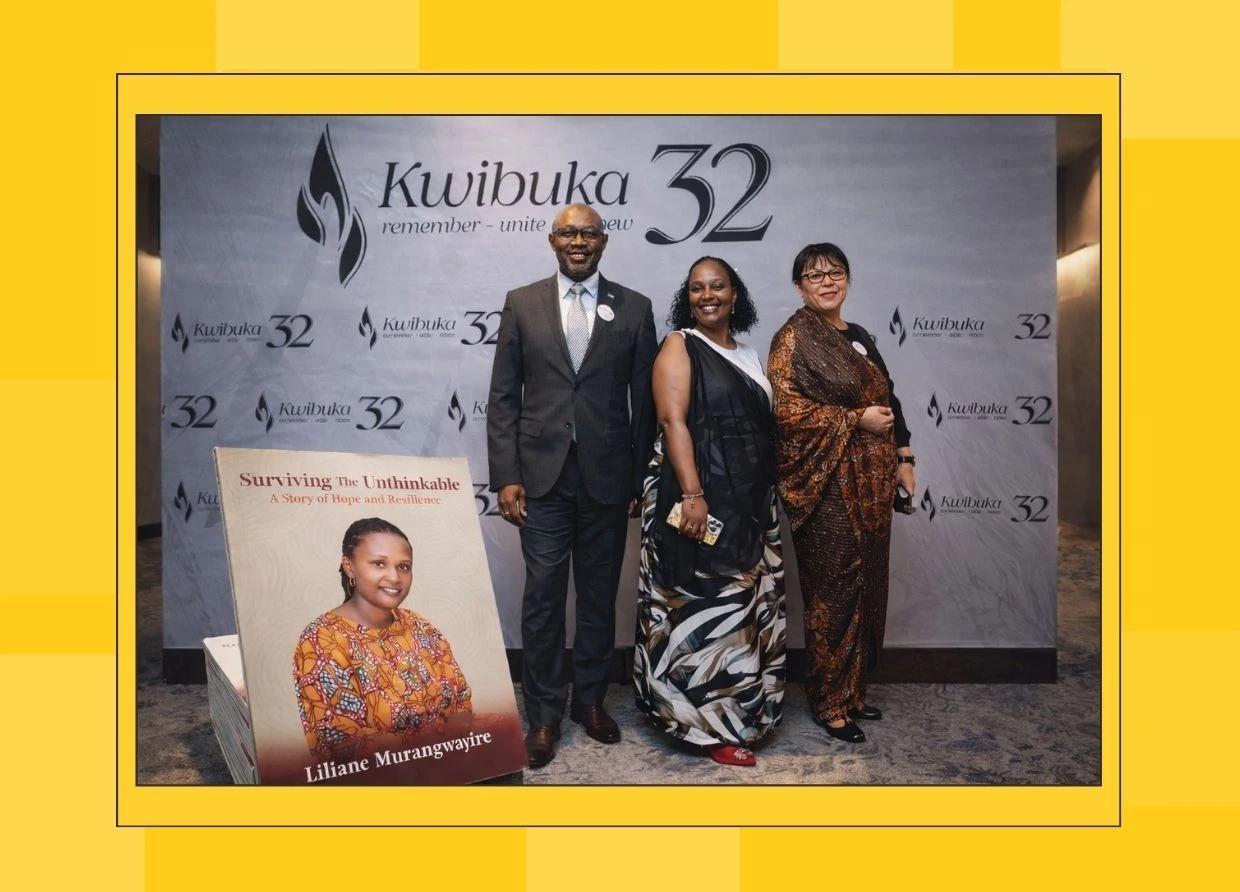


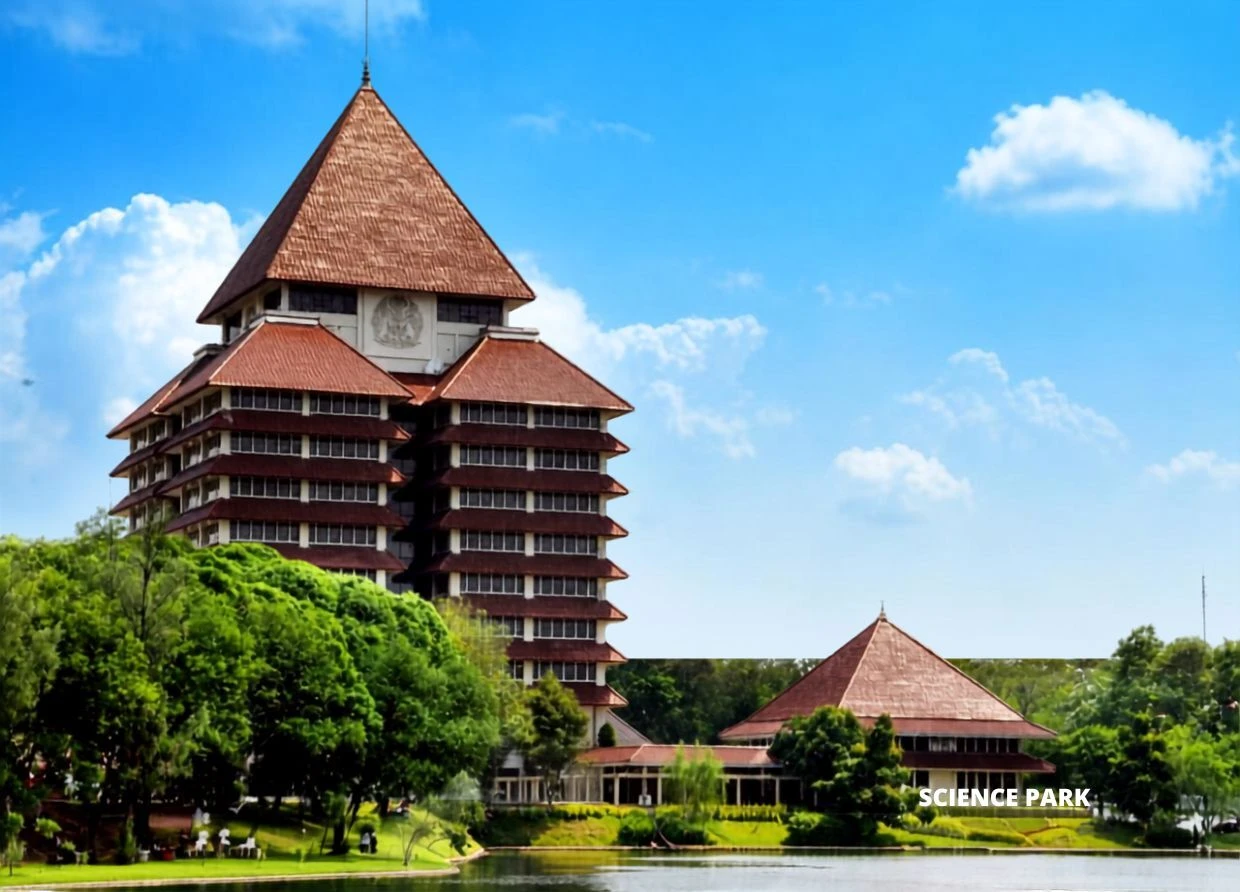
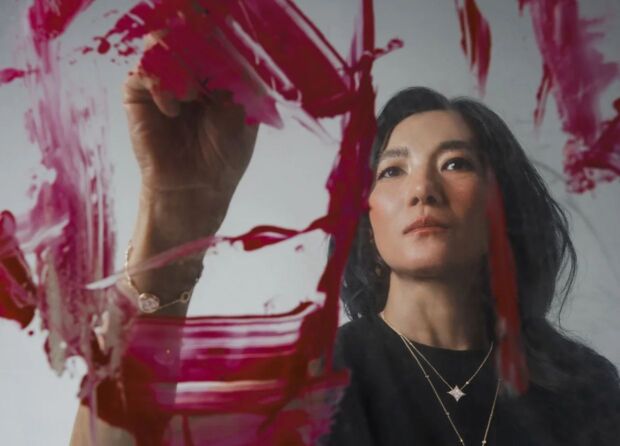
Outside, Jakarta moved at its usual speed. Commuters, food deliveries, Instagram reels. Inside a quiet hall on the evening of April 7, 2026, a Rwandan woman named Liliane Murangwayire stood up and told her story. The room went silent — not the polite silence of a formal event, but the kind that only settles when something true has been spoken aloud in a space that wasn't quite ready for it.
That silence was Kwibuka32.
What is Kwibuka?
Kwibuka is a Kinyarwanda word that means "to remember." It is Rwanda's official 100-day period of national mourning, beginning every April 7 — the United Nations-designated International Day of Reflection on the Genocide against the Tutsi — and ending on July 3. Those 100 days mirror the duration of the genocide itself: in 1994, over a million Rwandan Tutsi were systematically killed by neighbors, officials, and state-backed militias in one of the most concentrated acts of mass violence in recorded history.
Thirty-two years later, the flame travels. Rwanda's embassies carry it to cities around the world — including Jakarta, where the Embassy of Rwanda held a solemn ceremony attended by Indonesian government representatives, ambassadors, and heads of international organizations. This year's theme: Remember. Unite. Renew.
Why Jakarta?
Because forgetting is not neutral. The Ambassador of Rwanda made that clear in his remarks: denial and revisionism haven't disappeared — they have simply moved from extremist radio broadcasts to algorithmically amplified social media. The refusal to use the correct term, "genocide against the Tutsi," is itself a form of harm. It dishonors the dead. It emboldens those who would rewrite history. And Indonesia, as a nation with deep commitments to human rights under ASEAN and the UN, has a stake in that conversation too.
What the three words actually mean in 2026
To remember means actively resisting genocide denial — including in diaspora communities far from Kigali. To unite means demanding justice: perpetrators of the 1994 genocide are still living freely in various countries. One notorious mastermind, Fulgence Kayishema — accused of directing the killing of approximately 2,000 people sheltering inside a Catholic church — evaded capture for more than two decades before his arrest in Cape Town in 2023. To renew means passing the responsibility forward, to young Rwandans and their allies, who must carry the memory and build something better with it.
A country rebuilt on truth
The Rwanda that nearly ceased to exist is now one of Africa's fastest-growing economies, with one of the highest rates of women's parliamentary representation in the world. That transformation did not happen by accident, and it did not happen by softening the story. It happened because Rwanda chose to rebuild on truth — uncomfortable, specific, documented truth — rather than a narrative that might have been easier to sell.
The candle lit in Jakarta is a small part of that truth. And books like Liliane Murangwayire's Surviving the Unthinkable are another part — personal dispatches from inside history, written so the world cannot later claim it never heard.