THE LIVING STAGE: WHY INDONESIAN FOLK THEATER IS THE CULTURAL EXPERIENCE YOU'VE BEEN SKIPPING
From Ludruk in East Java to Randai in West Sumatra, the living stage isn't just a show — it's a whole culture in motion.
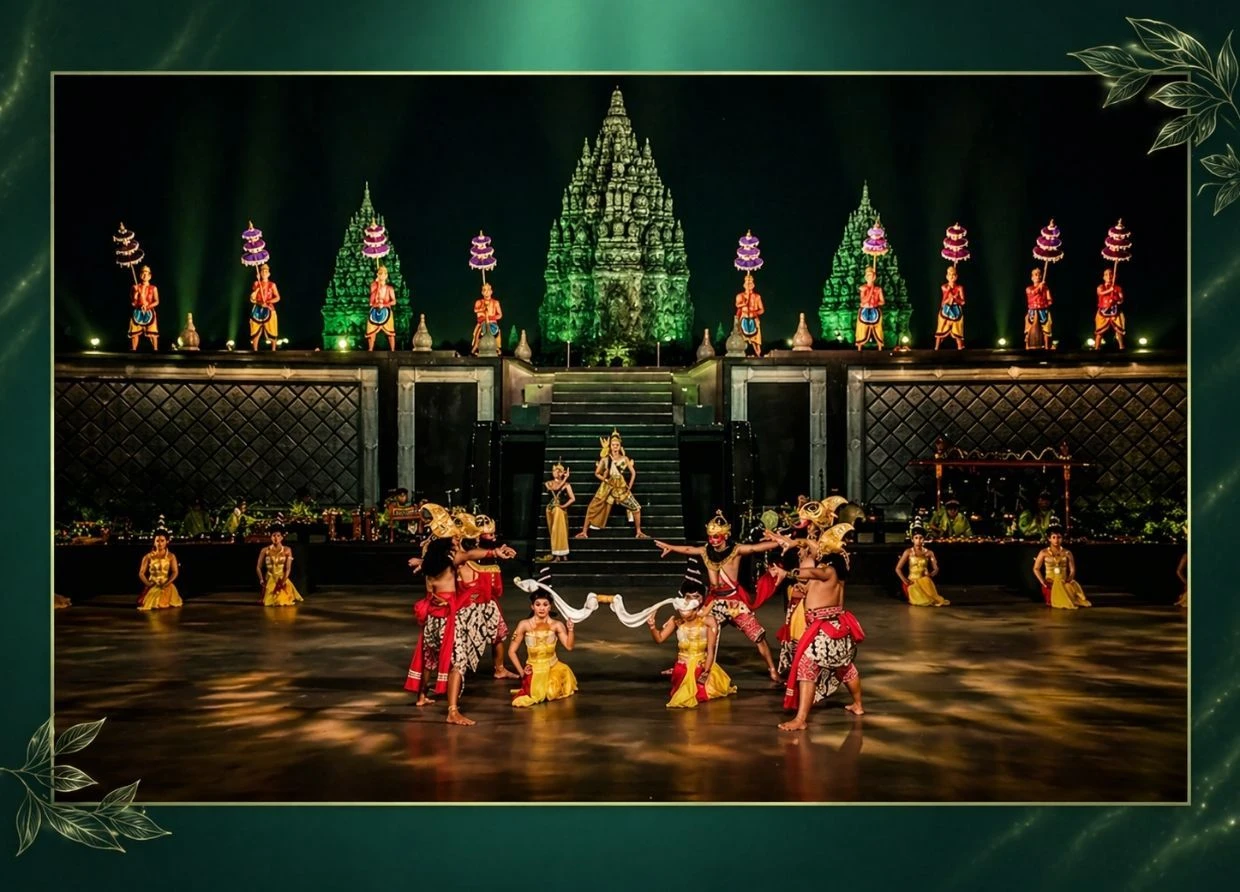




The lights go down. A single gamelan note hangs in the air. Then, from stage left, a man in a batik sarong begins to speak — not to anyone in particular, but to everyone at once. That's teater rakyat. And if you've never seen one, you've missed the most honest mirror Indonesia has ever held up to itself.
What Is The Living Stage, and why Should You Care ?
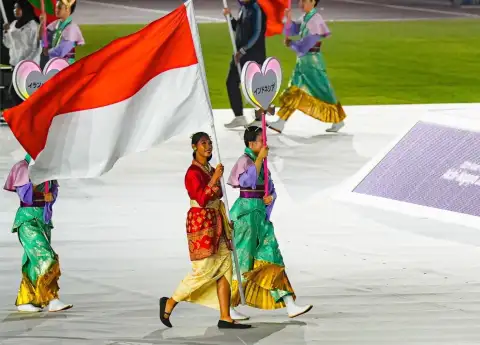
Teater rakyat — or folk theater — is Indonesia's oldest form of live storytelling: traditional performing arts that draw from local legends, everyday life, and cultural values passed down over generations. These aren't museum pieces. They're living traditions performed in community halls, open fields, and heritage venues, usually in the local language of the region they come from.
Think of it as Indonesia's version of a Netflix series, except the writers are your grandparents, the actors are your neighbors, and the jokes land because they're about you.
The major forms include Ludruk (East Java), a comedic drama performed exclusively by male actors who also play female roles; Lenong (Betawi/Jakarta), a sharp, improvisational theater known for its social commentary; Randai (West Sumatra), which weaves martial arts silat into circular storytelling; Ketoprak (Central Java/Yogyakarta), epic historical dramas in Javanese; Makyong (Riau Islands), a poetic theater rooted in Malay spiritual tradition; Longser (West Java), a vibrant community stage form; Dulmuluk (South Sumatra); and Mamanda (South Kalimantan).
What Makes It Different From Other Cultural Tourism?
Here's the counterintuitive part: most people visit Indonesia for the temples, the rice terraces, the beaches. But they leave without ever understanding how Indonesian people actually think — what they laugh at, what they fear, what stories they tell their children.
Teater rakyat closes that gap in a single evening.
"When I watched Lenong for the first time in Setu Babakan, I thought I was just watching a comedy. By the end, I realized I'd been watching a 400-year-old conversation between Jakarta's working class and their rulers." — Dita Ramadhani, cultural journalist, Jakarta
The Ministry of Tourism (Kemenparekraf) has identified teater rakyat as a key pillar of its cultural experience tourism framework — positioning these performances not just as entertainment, but as economic engines that directly support local artists, stage crews, costume makers, and informal vendors at every show.
Where to Watch Teater Rakyat in Indonesia
For Lenong Betawi, the most accessible venue is Perkampungan Budaya Betawi Setu Babakan in South Jakarta — performances run on weekends with free or minimal entry. For Ketoprak and Wayang Wong, the Taman Budaya Yogyakarta and Keraton Yogyakarta both host regular stagings. Randai performances are most alive during harvest festivals across the Minangkabau highlands of West Sumatra.
The sound of a live kendang drum building toward a climactic scene, the smell of street food vendors just outside the venue, the collective intake of breath when the villain appears — this is what a history textbook can't give you.
How Watching Folk Theater Actually Helps the Economy
Every ticket sold to a teater rakyat performance creates a chain. Costume seamstresses. Instrument repairers. Wayang puppet carvers. Warung owners who set up outside. The Kemenparekraf estimates that cultural tourism events directly impact MSME ecosystems in ways that hotel stays alone cannot.
You're not just a tourist. You're a patron.