INDONESIA'S MOST TOLERANT CITY IN 2025 IS SALATIGA
A mid-sized city in Central Java just scored higher than Jakarta, Surabaya, and Bali. Here's what that actually means — and why it matters.


Every year, millions of Indonesians live side by side across hundreds of ethnic groups, religions, and languages. Most of the time, it works. But which cities are actually doing it well — and how do we measure something as hard to pin down as tolerance?
The SETARA Institute, a Jakarta-based human rights research organization, has been tracking this for years. Their 2026-released Indeks Kota Toleran (IKT) 2025 — or Tolerant City Index — ranked 94 Indonesian cities across eight indicators, including government regulation, social regulation, government action, and socio-religious demographics. And the results might surprise you.
What is the Indeks Kota Toleran (IKT)
The Indeks Kota Toleran (IKT) is an annual index published by SETARA Institute that measures how well Indonesian cities manage diversity. It evaluates 94 cities using eight indicators — from how local government policies handle religious freedom to how citizens actually interact across social divides. The 2025 edition was officially released on April 22, 2026. Scores run from 0 to 10, with the national average sitting at 4.97.
Which city ranked number one?
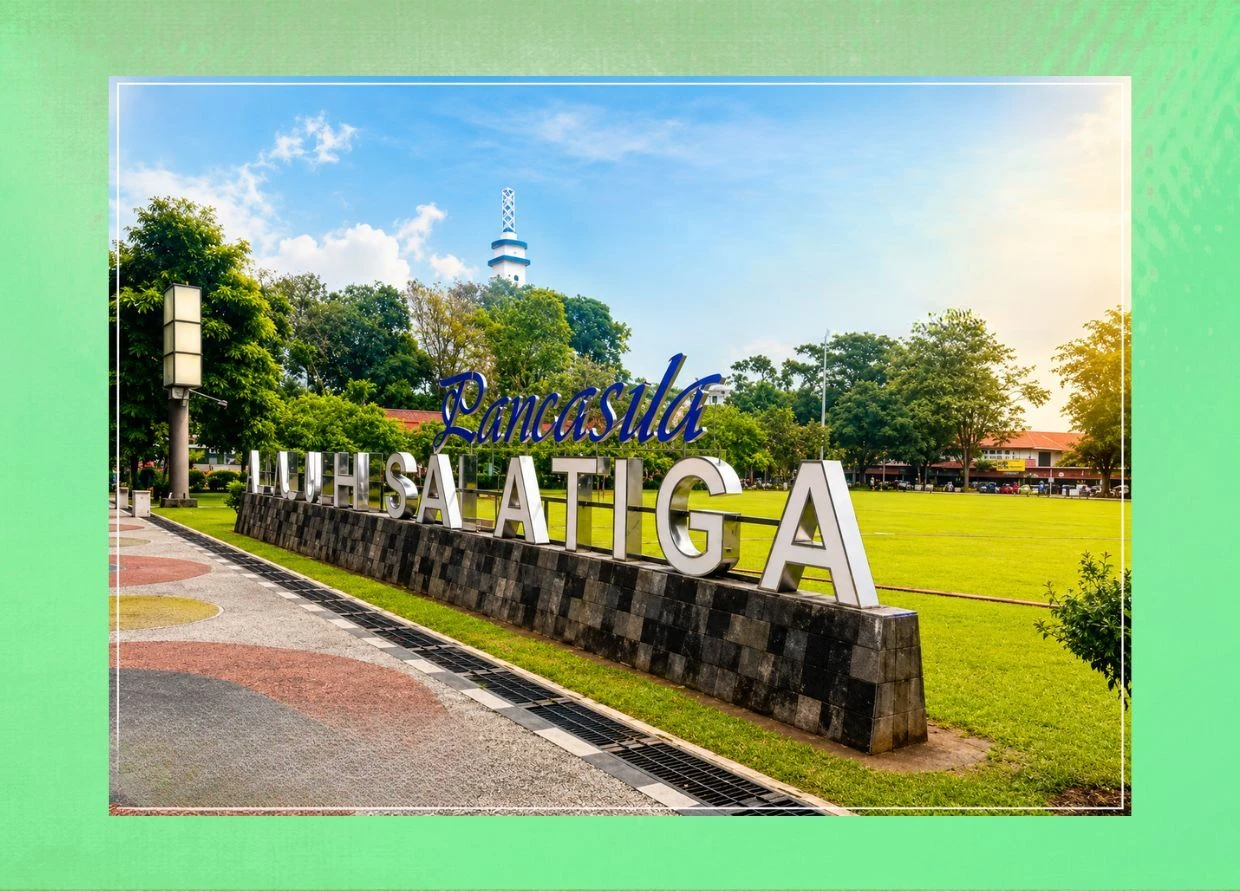
Salatiga, a quiet university town of roughly 180,000 people in Central Java, claimed the top spot with a score of 6.492. It's a city most non-Javanese Indonesians would struggle to find on a map — and that obscurity might be part of the point. Salatiga has long had a reputation for interfaith calm, home to Satya Wacana Christian University alongside a Muslim-majority population. The coexistence isn't just peaceful — according to the IKT, it's actively well-governed.
Central Java dominates — five of the top ten cities are from the province, including Salatiga, Semarang, Magelang, and Tegal. But the list also includes Singkawang in West Kalimantan, a city known for its large Chinese-Indonesian population and its famous Cap Go Meh celebrations, where Lunar New Year floats share the street with Dayak and Malay communities. During festival season, the air smells like incense and fried shallots all at once — a sensory reminder that tolerance here is lived, not just legislated.
Ambon's inclusion at number 10 carries historical weight. The city, capital of Maluku province, was the site of devastating sectarian violence between 1999 and 2002. Its presence on this list — two decades later — signals one of the more striking civic recoveries in modern Indonesian history.
Why didn't Jakarta or Bali make the list?
That's the counterintuitive part. Indonesia's most globally recognized cities — Jakarta, Bali's Denpasar, Surabaya — don't appear in the top ten. The IKT measures governance quality and social inclusivity, not just population diversity or tourism appeal. A city can be cosmopolitan and still score poorly on anti-discrimination policy or equal treatment of minority religious groups.
The national average of 4.97 shows genuine improvement over previous years, but SETARA Institute is clear: progress is gradual (bertahap), and consistent local leadership remains the most important variable in pushing scores higher.