INDONESIA JUST RANKED #2 FOR ENERGY RESILIENCE
JPMorgan ranked Indonesia #2 globally for energy resilience in 2026. Here's what it means for expats, investors, and businesses eyeing Jakarta.
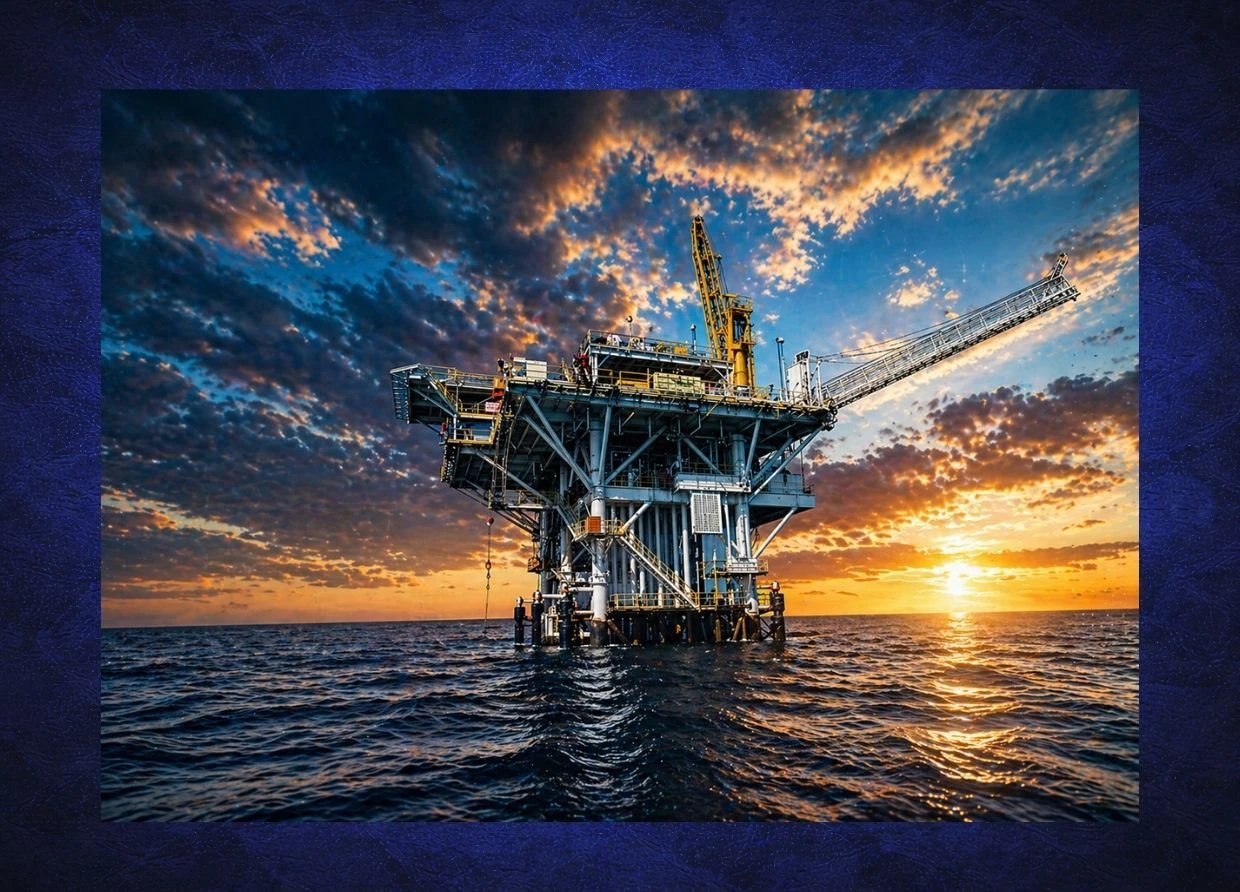



Most people think of Indonesia and picture Bali sunsets. The beaches are real. But a JPMorgan research report published in early 2026 tells a very different story — one involving oil rigs, coal reserves, geothermal fields, and a national energy infrastructure that just outranked the United States, China, and Australia.
The report, titled Pandora's Box: The Global Energy Shock of 2026, measured which countries are best positioned to absorb energy shocks without their economies buckling. Indonesia came in second. Out of the entire world.
What Is Energy Crisis Resilience - and Why Does Indonesia Rank #2 ?
Energy crisis resilience refers to a country's ability to maintain stable energy access, pricing, and supply even when global markets are disrupted by geopolitical conflict, supply shortages, or demand spikes. JPMorgan's 2026 ranking placed South Africa first at 79%, followed by Indonesia at 77%, then China (76%), the USA (70%), and Australia (68%).
Indonesia's position isn't accidental. The country sits on significant reserves of coal, natural gas, and geothermal energy — it's actually one of the world's top geothermal producers. Unlike countries that import most of their energy, Indonesia generates a large portion domestically, which insulates it from price swings driven by wars or trade disputes happening thousands of kilometers away.
"Indonesia is one of the countries considered most resilient during global energy shocks. That says a lot about long-term stability."
Why Does This Matter Beyond the Energy Sector?
Here's the part that doesn't make headlines but probably should: energy stability is a proxy for economic stability. When energy costs are unpredictable, everything downstream gets messy — manufacturing costs rise, logistics get chaotic, businesses delay investment, and consumer spending contracts. Countries that can keep the lights on affordably during a crisis are the same countries where long-term investment makes sense.
For Jakarta specifically, this plays into a wider narrative that's been building for years. The city is already home to the regional headquarters of dozens of multinational firms. A ranking like this gives CFOs and relocation consultants one more concrete reason to point clients toward Indonesia rather than, say, Vietnam or the Philippines — both of which didn't make JPMorgan's top five.
What This Means If You're Considering Indonesia in 2026
Indonesia's energy resilience score tells you something about the cost of doing business here over the next decade. Countries with fragile energy infrastructure tend to experience hidden operational costs — backup generators, supply chain delays, energy-linked inflation. Indonesia's position suggests those risks are structurally lower here than in most of the region.
The surprising counterpoint worth mentioning: Indonesia still subsidizes fuel heavily, which keeps domestic energy prices below market rates. That subsidy system has been controversial domestically, but from a resilience standpoint, it acts as a buffer that protects households and businesses from global price spikes in ways that Australia or the USA simply cannot replicate at scale.
Whether you're thinking about relocating, expanding operations, or just parking capital somewhere with a stable foundation, the JPMorgan data makes the case that 2026 might be exactly the right moment to take Indonesia more seriously.