INDONESIA COSMONAUT TRAINING RUSSIA
Indonesia may send its best citizens to train as cosmonauts in Russia after Prabowo and Putin met in Moscow. Here's what it means for the country's future.
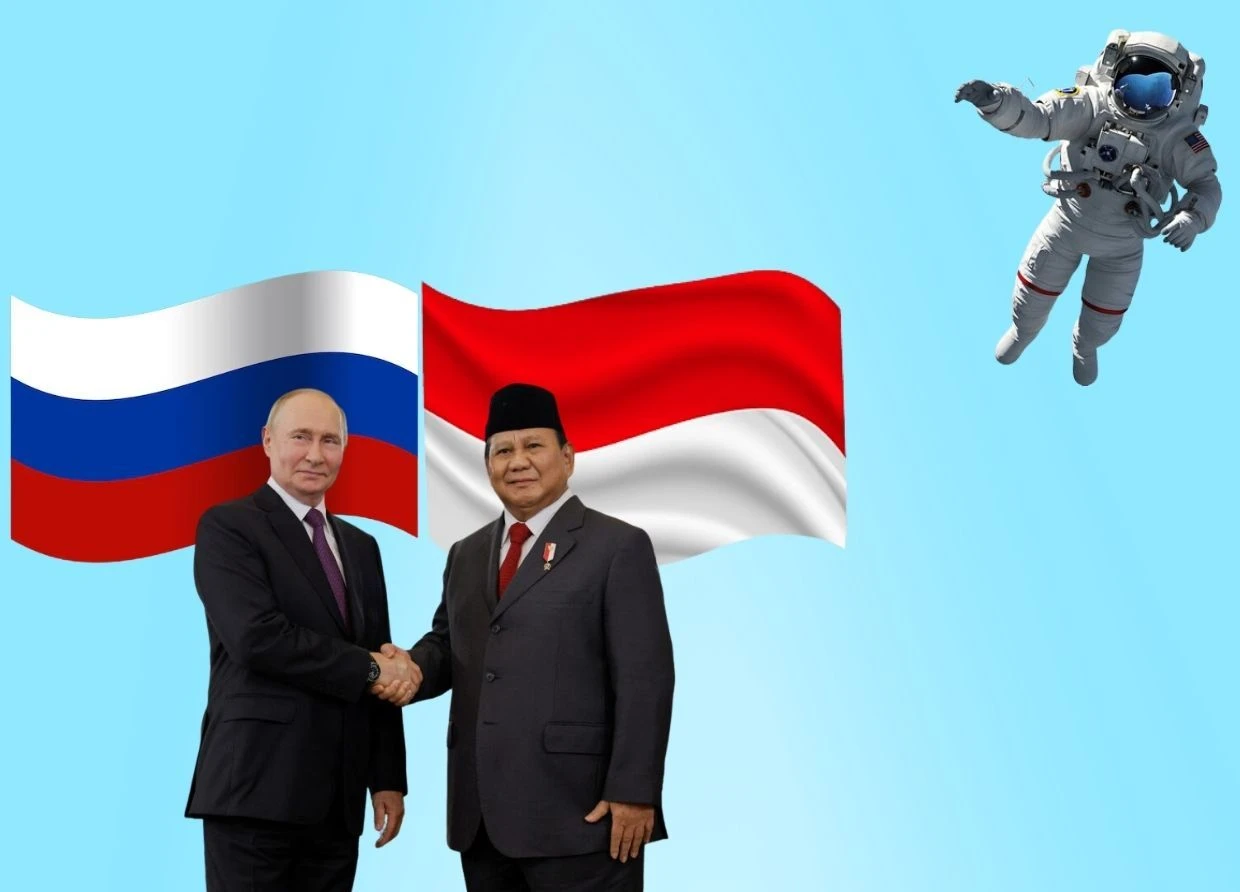




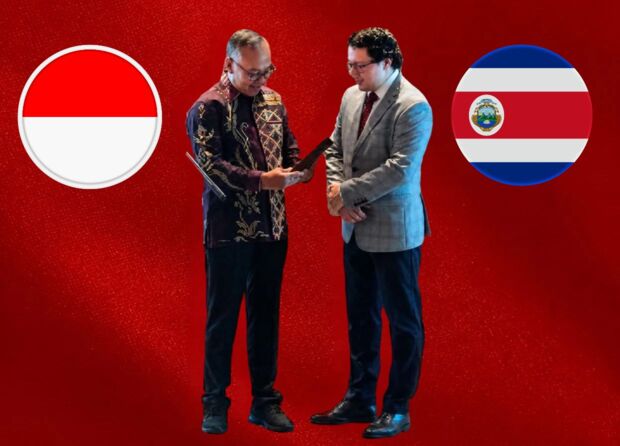
On April 13, 2026, President Prabowo Subianto met Russian President Vladimir Putin in Moscow and raised the possibility of Indonesia sending selected citizens to join Russia's cosmonaut training program. Five days later, the country was still talking about it.
What Is Russia's Cosmonaut Training Program ?
A cosmonaut is the Russian term for a space traveler — the equivalent of an "astronaut" in the United States or a "taikonaut" in China. Russia's program is run by Roscosmos, the country's space agency, and is based at the legendary Star City facility near Moscow — known for its demanding, elite-level training standards.
This is not a weekend workshop. Trainees go through physical conditioning, spacecraft operation, emergency survival skills, and months of simulation. The program produces people who can actually go to space.
Foreign Minister Sugiono explained the move as a signal of technological ambition — noting that a country's ability to send crews and equipment into orbit is one of the key indicators that it has reached a high level of technological capability.
Why Is This a Big Deal for Indonesia?
Most people think of the Indonesia-Russia relationship in terms of energy deals or weapons procurement. This is different.
Sugiono made clear that this step is not just about sending personnel — it is a symbol of national progress. The shift is real: Indonesia and Russia elevated their strategic partnership status in 2025 and space cooperation is now part of that upgraded relationship.
"The President also conveyed the possibility of Indonesia sending its best and most selected people to participate in Russia's cosmonaut program," said Foreign Minister Sugiono at a press conference at the Presidential Staff Office, Jakarta, April 22, 2026.
Think of it this way: Malaysia sent Sheikh Muszaphar Shukor to the International Space Station in 2007. Indonesia, Southeast Asia's largest economy, has never had a citizen in orbit. This move could change that story.
What Happens Next?
The proposal is still being explored, not finalized. No names have been announced. No timeline has been set. But the fact that it was discussed at presidential level — inside the Kremlin — means it has serious weight behind it.
The broader talks between Prabowo and Putin also covered science, technology, and space cooperation — suggesting this is part of a wider, long-term strategy rather than a one-off diplomatic gesture.
For Indonesian engineers, scientists, and young professionals watching the space industry grow, this is the kind of news that quietly reshapes what feels possible.