INDONESIAN MUSIC IS TAKING OVER SPOTIFY AND IT'S NOT EVEN CLOSE
Indonesian music now owns 78% of Spotify Indonesia streams. Local artists like Bernadya and Hindia are rewriting the chart and crossing borders.





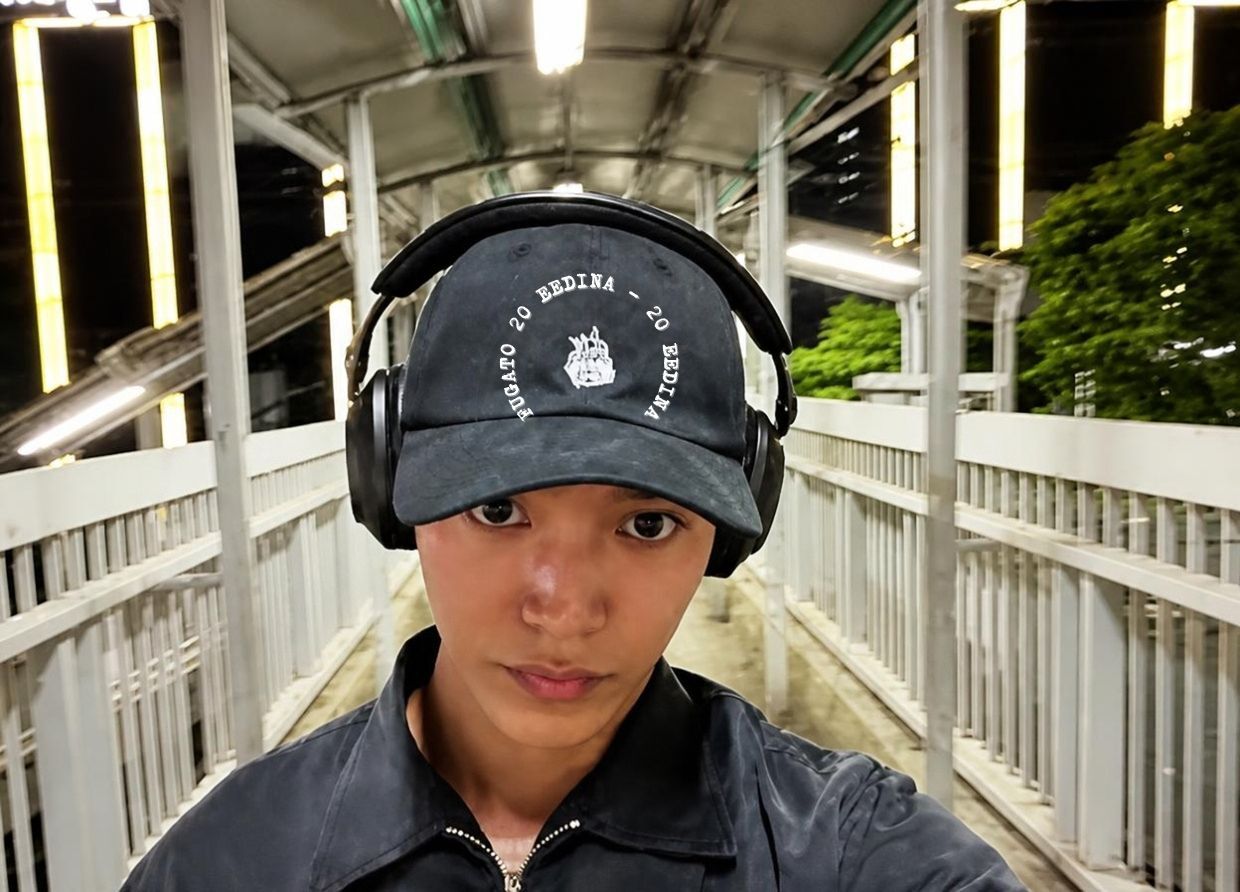
The Spotify Top 50 Indonesia chart used to feel like a foreign language. K-Pop dominated. Western Pop filled the gaps. Indonesian artists fought for scraps at the edges. That era is over and the numbers are brutal about it.
Indonesian songs now command 78% of Spotify Indonesia's weekly streams, up from just 60% in 2023. That's not a trend. That's a takeover.
- At a Glance
- Indonesian music share on Spotify ID (2026) 78 %
- Indonesian music share on Spotify ID (2023) 60 %
- Indonesian listeners who prefer local artists 74 %
- K-Pop share in Malaysia, lost to Indo Pop (2023–2026) 18 - 13 %
What Is the Spotify Top 50 Indonesia and Who's Winning It?
Spotify's Top 50 Indonesia is a daily-updated playlist tracking the 50 most-streamed songs in the country. It's the closest thing Indonesia has to a real-time national hit parade and right now, it reads like a local music festival lineup.
Pop balladeers like Bernadya, Tiara Andini, Mahalini, and Fabio Asher have become fixtures. The alternative wave Hindia, Perunggu, Sal Priadi, Nadin Amizah consistently dominates the 2025–2026 period. These aren't one-hit wonders riding a TikTok moment. They're artists with proper fanbases, live tour sellouts, and back catalogs that reward repeat listening.
Why Is Indonesian Music Growing So Fast ?
Analyst account tsurezure_lab on X cross-referenced weekly genre-streaming data against daily Spotify Top 50 charts across five Southeast Asian countries from 2023 through May 2026. Their conclusion: local-genre streams are consistently rising across the region, with K-Pop and Western Pop contracting in tandem.
The correlation between K-Pop's decline and Indo Pop's rise is -0.79. That's not coincidence that's cause and effect. When listeners got tired of polished, committee-written music in a language they don't speak, they turned inward. And what they found was Bernadya singing about heartbreak in Bahasa Indonesia raw, specific, and real in a way that a synchronised dance troupe from Seoul simply cannot replicate.
"74% of Indonesian listeners now prefer local artists. Only 40% still express strong interest in K-Pop." — Jakpat Consumer Survey, 2026
The sound of the new wave isn't uniform, either. You get Hindia's introspective indie-folk. You get Ndarboy Genk's Javanese-inflected storytelling. You get Tenxi and Naykilla blending hip-hop with dangdut into something they're calling "hip-dut" and it sounds nothing like an export product. It sounds like Indonesia.
Indonesia Is Now a Regional Music Exporter
Here's the part that surprises most people: this dominance isn't staying inside the country. Indo Pop's share of Malaysia's Spotify charts moved from 18% in 2023 to 22% in 2026, while K-Pop fell from 18% to 13% in the same market. Indonesian artists are becoming a regional export quietly, without a government push or a manufactured campaign.
More striking still: the Jakarta chart is opening up to voices from beyond the capital. Artists like Ndarboy Genk, Silet Open Up, and Raim Laode are bringing regional accents, local idioms, and non-metropolitan rhythms into mainstream rotation. The centre is decentralising and audiences are following.
For decades, Southeast Asia absorbed pop culture exports from the US, UK, and Korea. Now Indonesia the fourth most populous country on Earth is sending music back the other way.