ULOS SIMETRIA ISN'T A TREND AT INDONESIA FASHION WEEK 2026. IT'S A RULEBOOK.
Ulos Simetria is the Official Theme of Indonesia Fashion Week 2026. Here's what North Sumatra's sacred weaving tradition means on the runway.
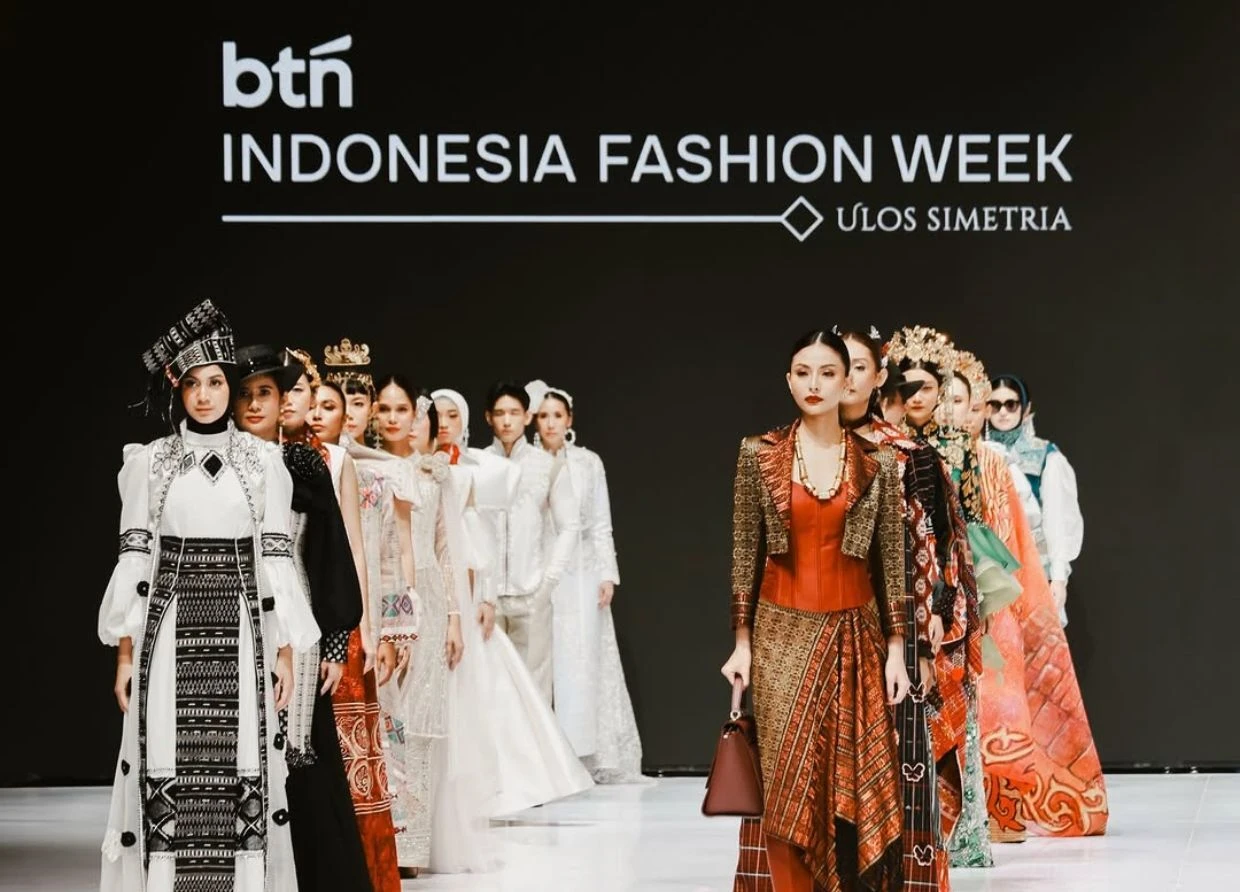


Walk past the backlit signage at Jakarta Convention Center this week and you'll read a sentence that stops most people mid-scroll: ulos isn't being treated as a motif. It's being treated as a system.
That's the entire premise of Ulos Simetria, the Official Theme of BTN Indonesia Fashion Week (IFW) 2026. The event officially opened at Jakarta Convention Center on Wednesday, July 29, 2026, with North Sumatra Province named as the Official Theme province. It's the 14th edition of the country's largest fashion week, and this year it puts Nusantara heritage front and center as its main creative source.
At a glance:
- 14th edition of Indonesia Fashion Week
- Opened Wednesday, July 29, 2026, at Jakarta Convention Center, Senayan
- Presented by BTN, sponsoring for the 3rd consecutive year
- Theme: Ulos Simetria, spotlighting North Sumatra's Batak weaving heritage
What Is Ulos Simetria,Exactly?
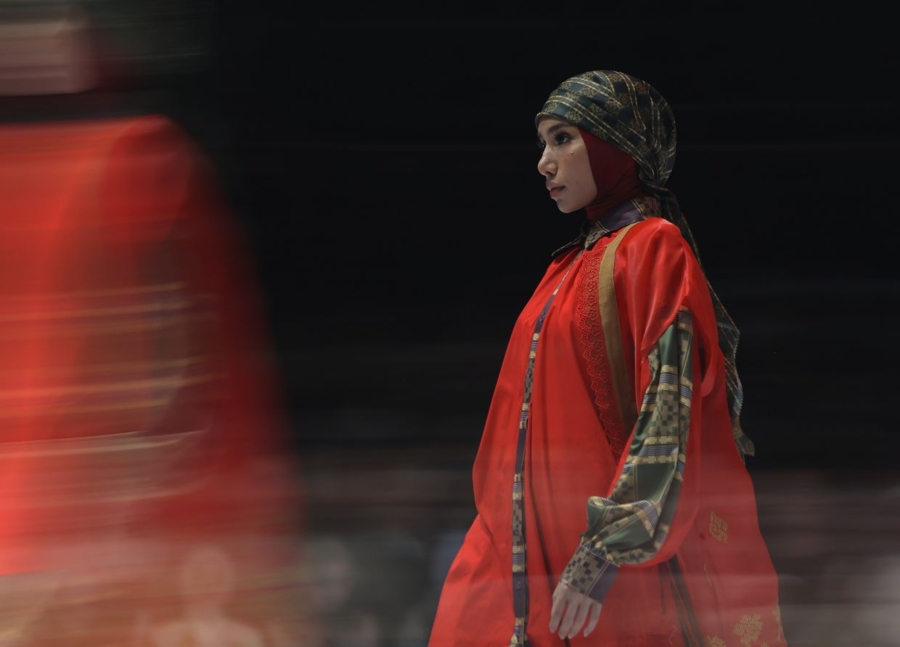
Ulos is a traditional textile from North Sumatra that functions as far more than decoration it's a symbol of warmth, balance, harmony, and unity within Batak culture. Exhibition text at the venue puts it plainly: the cloth represents prayer, blessing, affection, and respect, and every motif carries its own meaning tied to specific life milestones.
The counterintuitive part worth sharing: a textile most Indonesians associate with formal ceremonies weddings, funerals, adat rituals is now being cut into contemporary, streetwear-adjacent silhouettes for a Gen Z audience, without designers claiming to have simplified away its meaning. The philosophy stays intact; only the cut changes.
Which Designers Led the Ulos Story?
A handful of names made the theme legible on the runway. Poppy Dharsono herself opened the sequence, turning ulos into adaptive, everyday-wearable pieces rather than ceremonial costume. Dana Duryatna brought trendy, sharply cut ulos-based silhouettes, while Misan Kopaka translated the textile's dense symbolism into contemporary shapes without flattening its meaning.
Ariy Arka added his own modern, distinctive take to the opening lineup, and one of the standout moments came from Ega Makulase, a young designer who staged the "Cloud Dancer x Ulos Simetria" sequence pairing Ulos with Karawo, the hand-cut embroidery technique native to Gorontalo, in a single collection that bridged two regions' textile traditions in one silhouette.
Several designers showcased their collections on the IFW runway.
Poppy Dharsono President of Indonesia Fashion Week (IFW) and Chairwoman of the Indonesian Fashion Designers Association (APPMI), who transformed Ulos into modern, versatile everyday wear.
Dana Duryatna Showcased trendy and stylish Ulos creations with contemporary cuts and silhouettes.
Misan Kopaka Reimagined the meaningful traditional Ulos textile through contemporary fashion silhouettes.
Ariy Arka Joined the opening show with distinctive modern designs that highlighted creativity and innovation.
Ega Makulase A young designer who presented the "Cloud Dancer x Ulos Simetria" collection, blending Karawo embroidery from Gorontalo with the timeless beauty of Ulos.
Who Showed Up to Watch?
The front row carried its own signal about how mainstream this theme has become. Actresses Dyah Permatasari and Artika Sari Devi were both in attendance, alongside singers Marcel Siahaan and Rizky Febian a lineup that pulled the event beyond industry insiders and into wider public conversation, exactly the kind of visibility a heritage textile needs to stay relevant with younger audiences.