INDONESIAN FASHION IN KOREA: WHY DESIGNERS KEEP GOING BACK
Indonesian fashion in Korea got bigger. See how 4 designers went from a Seoul showroom to a Busan runway, and why most looks were restyled.


At a glance
- 3 days: B-Fashion x M8 Showroom in Seoul, October 24–26, 2026
- 1 runway day: Busan Fashion Week at BEXCO, October 29, 2026
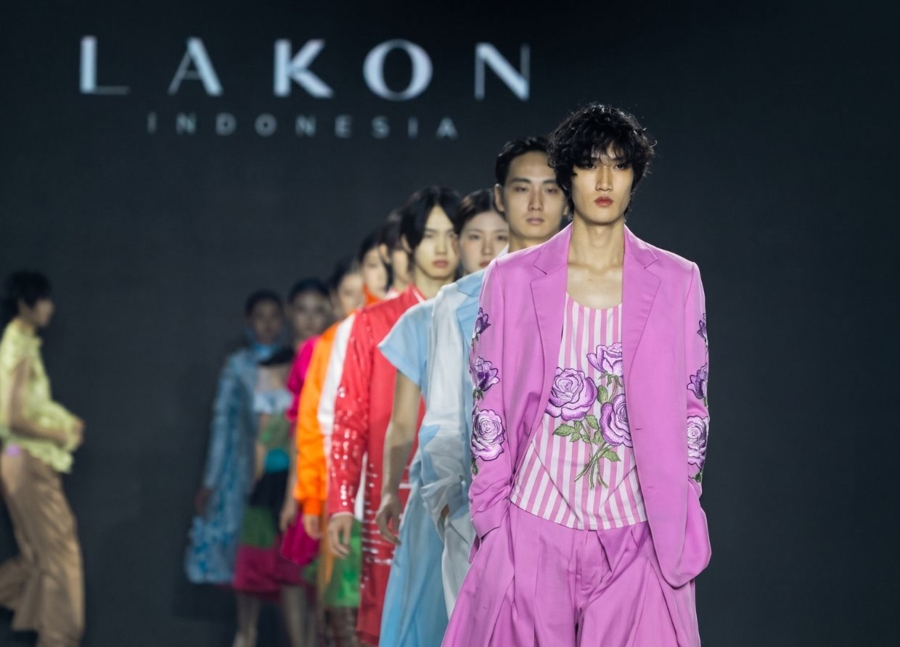
- 20 looks: LAKON Indonesia’s HARSA collection, the biggest of the trip
- 12 looks each: Hartono Gan’s HEARTBEAT and Adrie Basuki’s Jantung Nadi
One year ago, LAKON Indonesia walked into Busan Fashion Week for the very first time. This October, it came back, this time with a collection about happiness and a plan to build real business ties. That return trip is the heart of the story of Indonesian fashion in Korea.
What Is JF3’s Korea Trip?
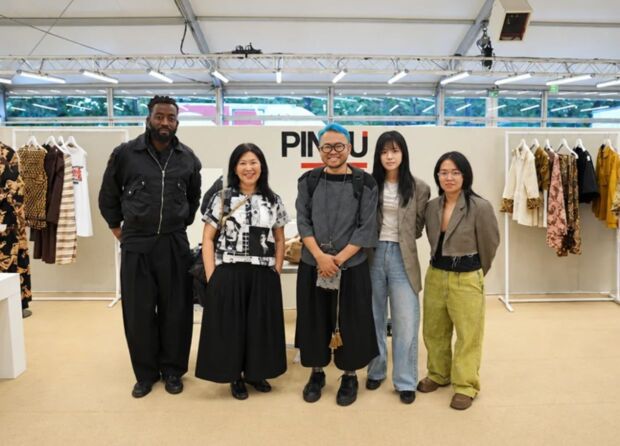
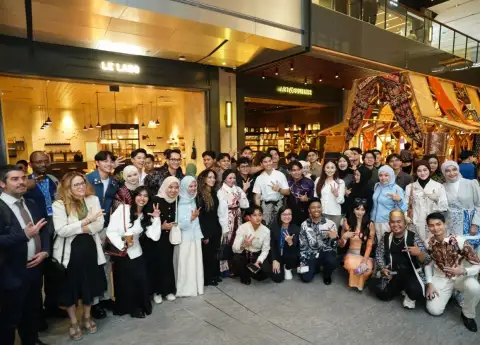
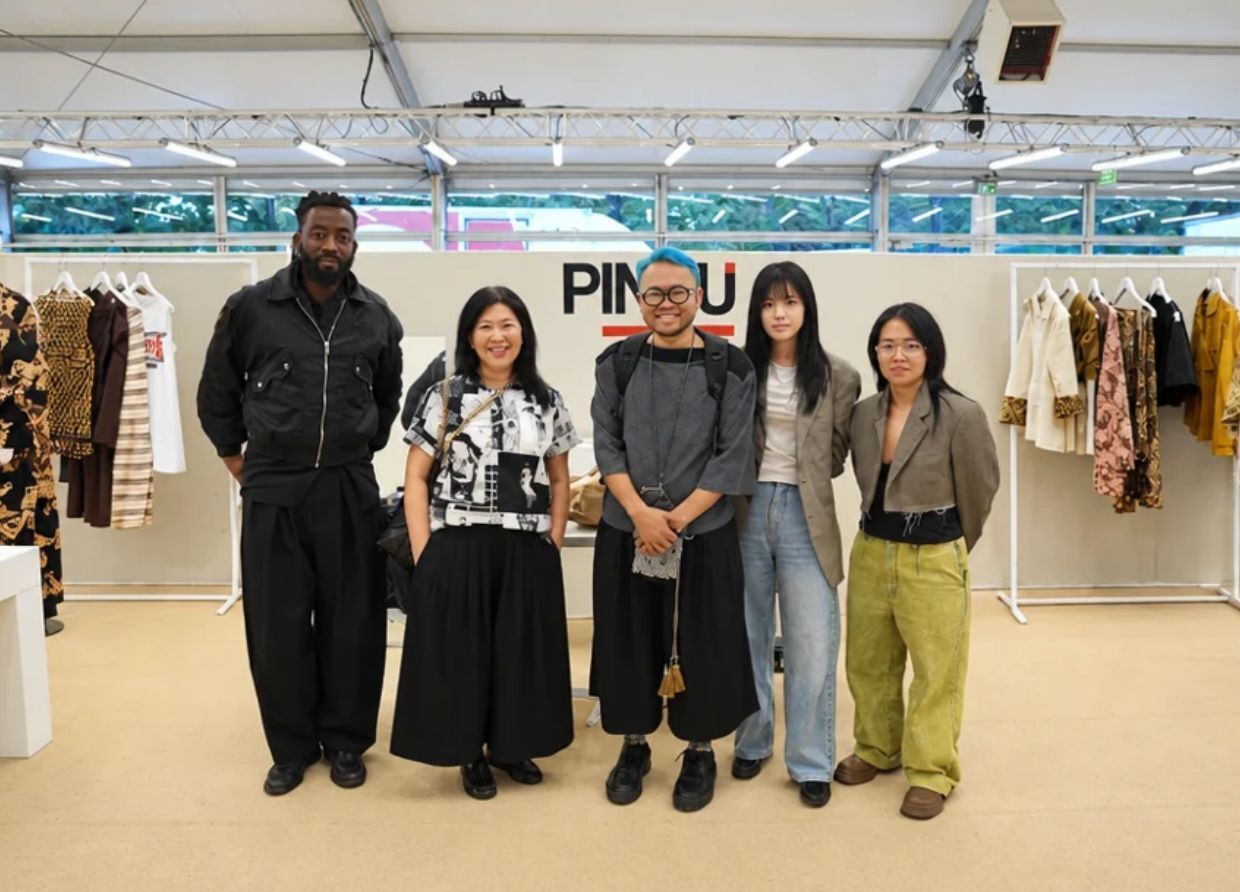
In October 2026, JF3 Fashion Festival, led by Chairman Soegianto Nagaria, took four Indonesian names to South Korea: LAKON Indonesia, SOFIE, Adrie Basuki, and Hartono Gan. They first showed at the B-Fashion x M8 Showroom at About Project Lounge, Lotte World Tower, Seoul, from October 24 to 26. The trip then moved to Busan Fashion Week at BEXCO on October 29. The press release lists no ticket price, because the showroom is built for buyers and industry players, not general visitors.
What Happened in Seoul?
The Seoul showroom was about meeting people who can place orders. Adrie Basuki brought “Jantung Nadi,” a 12-look collection that turns leftover textile scraps into new fabric. It mixes Batik Jantung Nadi, Kain Marmer, and Kain Benang, and it was first shown at BRI JF3 Fashion Festival 2026.
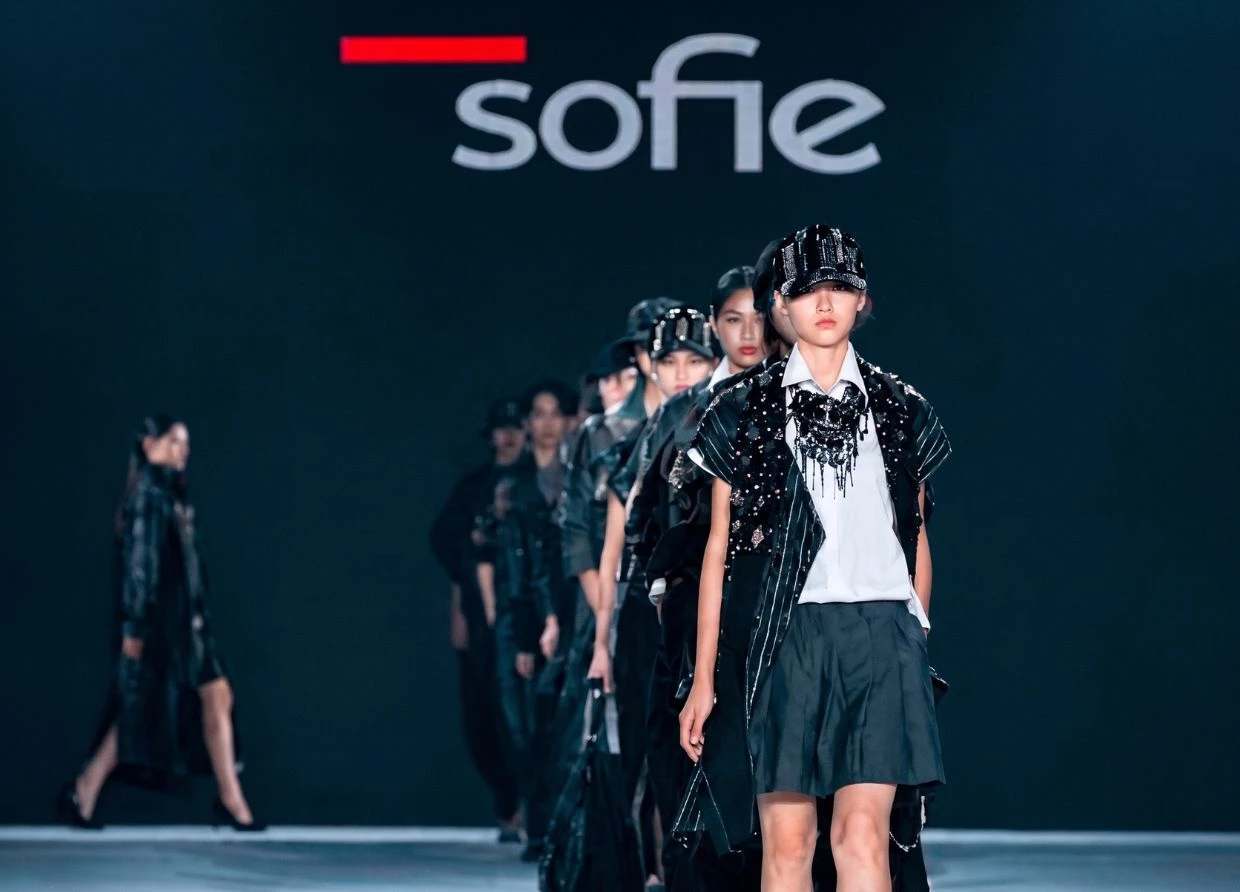
SOFIE showed “INTERSECT,” which uses linen, semi-wool, cotton, and batik. The idea is simple: take Indonesian roots and make them wearable for young Asian shoppers. LAKON Indonesia also took part, putting its batik and embroidery on display.
What Did Designers Show at Busan Fashion Week?
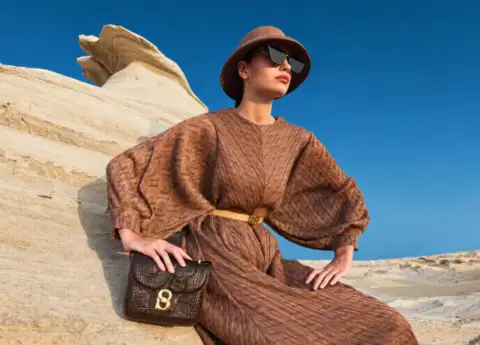
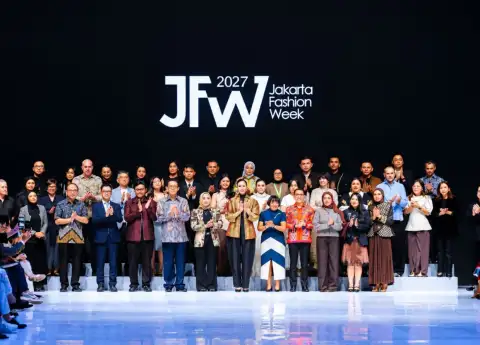
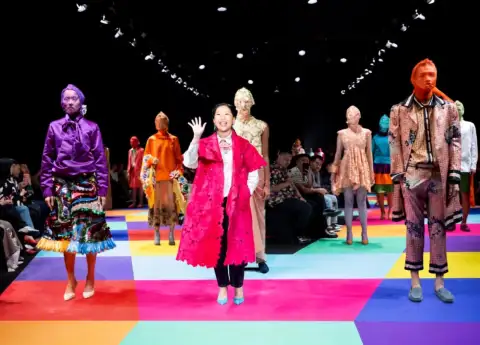
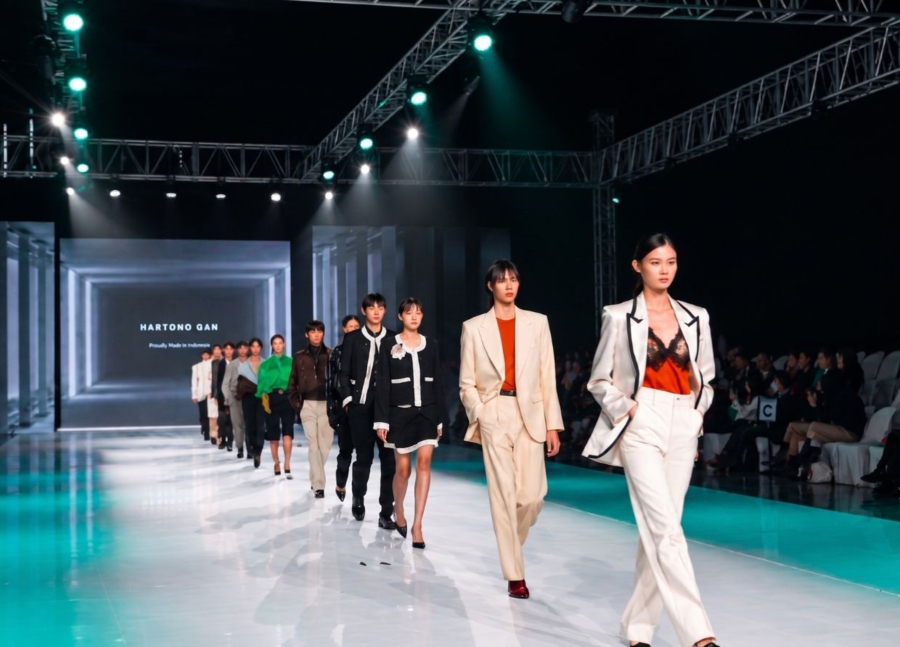
Busan was the runway moment. LAKON Indonesia presented “HARSA,” a 20-look collection named after the Sanskrit word for happiness. Creative director Irsan, now on his ninth collection with the brand, paired hand batik and hand embroidery with cotton, satin, and organza. Think light fabric, soft movement, and stitching you can see up close.
Hartono Gan showed “HEARTBEAT,” 12 looks inspired by 1990s style. It has silk shirts and jackets, formal-casual trousers, and gender-neutral suits. SOFIE returned with INTERSECT, this time as a runway story about tradition meeting street culture.
“JF3 Fashion Festival is here to open the road and give designers and brands a chance to grow. But each designer and brand must use, shape, and develop that chance themselves.” Thresia Mareta, JF3 Advisor and Founder of LAKON Indonesia
Why Does JF3 Keep Going Back to Korea?
This is not a one-off. JF3 signed a Memorandum of Understanding with the Busan Metropolitan Government in 2025, and this trip builds on that deal. LAKON’s own history shows the pattern: it first walked in Busan Fashion Week on October 31, 2025, then joined the HiSeoul Showroom in early November 2025. A year later, it returned with a new collection.
Here is the fact worth sharing: most of what went to Korea was not brand new. The release says most pieces were restyled versions of collections first shown at JF3 Fashion Festival 2026. The designers adjusted them for a new space, a new audience, and a different market.
Why Does This Matter for Indonesian Designers?
The trip sits under JF3’s 2026 theme, “Recrafted: Shaping the Future.” The idea is that old skills and local identity can stay relevant if designers keep reworking them. Soegianto Nagaria said the goal is to link designer creativity with business chances and wider market access, and to build closer ties with Korea’s fashion industry.