MOROCCO THRONE DAY JAKARTA: INSIDE THE 27TH RECEPTION
"Morocco's Throne Day reception hit Jakarta this week King Mohammed VI's 27th anniversary, a dagger-cut cake, and $255M in trade ties."



At a glance
- 27th anniversary of King Mohammed VI's enthronement, marked July 30, 2026
- Reception held at Four Seasons Hotel, Jl. Jend. Gatot Subroto No. 18, Jakarta Selatan
- Doors opened 18:30, hosted by Ambassador Redouane Houssaini and Mrs. Maria Hnid Houssaini
- Morocco-Indonesia trade hit US$255 million in 2025, up 33% year-on-year
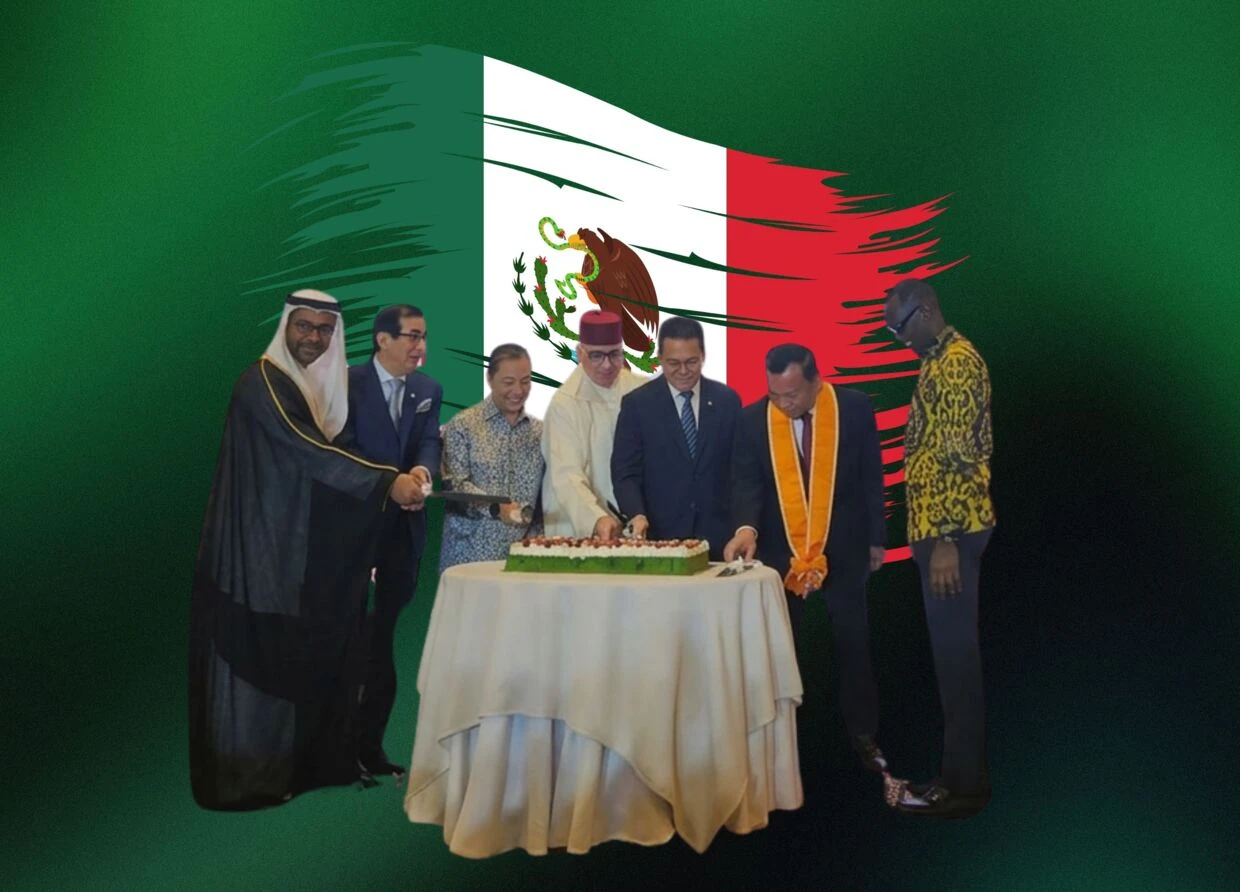
A ceremonial dagger, not a knife, cut the cake. That's the kind of detail that tells you a diplomatic reception is being run properly.
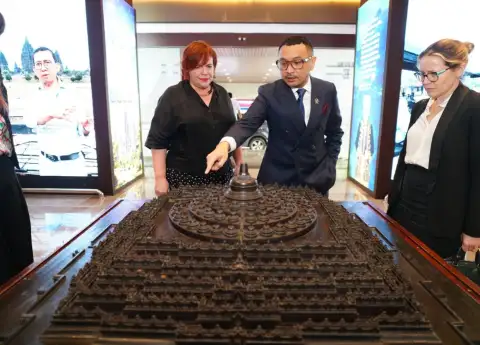
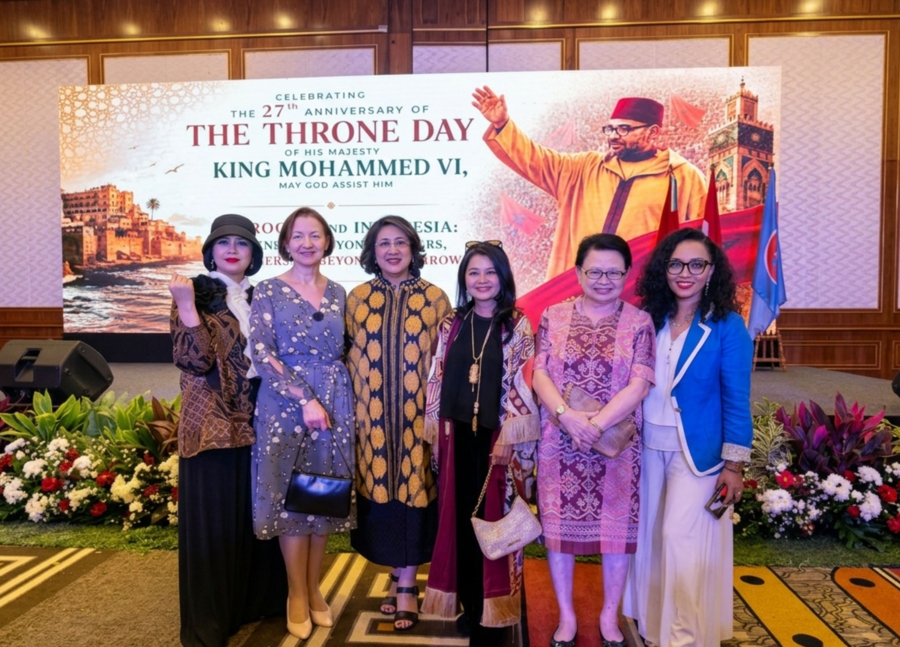
On Thursday, July 30, 2026, the Moroccan Embassy in Jakarta marked the 27th anniversary of King Mohammed VI's Throne Day with a reception at the Four Seasons Hotel in Jakarta Selatan. The event, hosted by Ambassador Redouane Houssaini and his wife, Maria Hnid Houssaini, ran under the banner "Morocco and Indonesia: Friendship Beyond Borders, Partnerships Beyond Tomorrow," and pulled together foreign ambassadors, Indonesian officials, and members of Jakarta's diplomatic and business circles. Guests were asked to dress in lounge suits, batik, or national dress — and most did, which meant a ballroom full of Gulf thobes, Moroccan djellabas, and Javanese batik standing shoulder to shoulder under one LED backdrop of Rabat's Kasbah des Oudayas.
What Happened at Morocco's Throne Day Reception in Jakarta?
Throne Day, or Eid al-Arch, commemorates the day Mohammed VI ascended the throne in 1999, and Moroccan embassies worldwide use the date to host their diplomatic corps. Jakarta's version had the usual rhythm: a receiving line on a red ceremonial carpet, a group photo with ambassadors from the Gulf and African missions, and a cake-cutting where the ambassador, joined by fellow envoys, sliced into a green-and-white cake with what looked like a traditional khanjar dagger rather than a standard cake knife a small but pointed nod to Moroccan ceremonial tradition.
Behind the ceremony sat a more concrete story: bilateral trade. Indonesia and Morocco's non-oil trade rose to US$255 million in 2025, a 33% jump from the year before, and kept climbing through the first five months of 2026. The two countries signed a halal certification recognition agreement in May 2026 between Indonesia's BPJPH and Morocco's IMANOR, and Morocco has been pitching itself to Jakarta as a gateway into North Africa and Europe plus a co-host of the 2030 World Cup, which Moroccan trade officials have used as an unsubtle investment pitch.
"We are two ancient civilizations... two moderate Muslim-majority countries," Ambassador Houssaini has said of the relationship, framing Morocco and Indonesia as natural partners despite the geographic distance between Rabat and Jakarta.
The room reflected that pitch. Photos from the evening show a mixed crowd of ambassadors in white robes, Indonesian officials in batik, and diaspora guests in fascinators and modern kebaya not exactly a stiff embassy formality, more a networking mixer with a royal excuse. Invitations noted a QR code check-in at the ballroom entrance, a small sign of how even legacy diplomatic events have modernized their guest management.
Diplomatic anniversaries like this rarely make headlines on their own. But they function as checkpoints a public, photographable moment where two governments restate that a relationship is active, growing, and worth showing up for in formal dress.