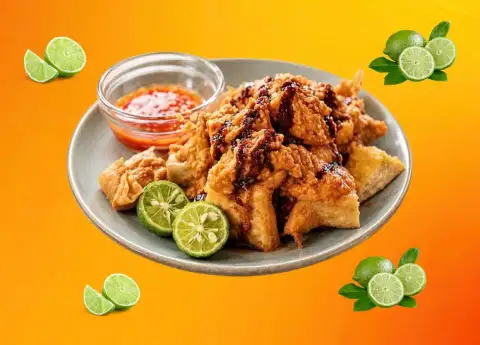
PEMPEK JUST BEAT 16 OTHER SNACKS TO RANK #2 IN THE WORLD AND IT'S NOT EVEN THE ONLY INDONESIAN DISH ON THE LIST
Pempek ranked #2 globally on TasteAtlas's 2026 tapioca dish list and it's one of nine Indonesian foods in the top 17. Here's the full breakdown.




At a Glance
- Rank: Pempek #2 globally (rating 4.3); Bakso Solo #5 (rating 3.9)
- Total ratings counted: 1,000,987 submitted, 657,348 verified as legitimate by TasteAtlas
- Indonesian dishes on the list: 9 out of 17 total spots
- Data cutoff: June 17, 2026
A Brazilian cheese bread beat pempek to the top spot. That's the twist nobody in Palembang saw coming.
TasteAtlas the crowdsourced food atlas that food nerds treat like Michelin's scrappier cousin released its 2026 ranking of the 17 Best Rated Dishes with Tapioca Flour this month. Pão de queijo, Brazil's cheesy tapioca roll, took first.
place. Pempek, Palembang's fish-and-tapioca cake doused in tangy cuko sauce, came in second with a 4.3 rating. Bakso Solo, the clear-broth meatball soup from Surakarta, landed at #5 with a 3.9.
What is the TasteAtlas tapioca ranking, and how is it decided?
TasteAtlas is an online food encyclopedia and ratings platform that ranks dishes by category using audience reviews, filtering out bot votes and reflexive "my country is the best" ratings. For this specific list, tracked until June 17, 2026, TasteAtlas logged just over one million ratings and kept roughly 657,000 as verified. The result: a snapshot of which tapioca dishes actual eaters not tourism boards rate highest.
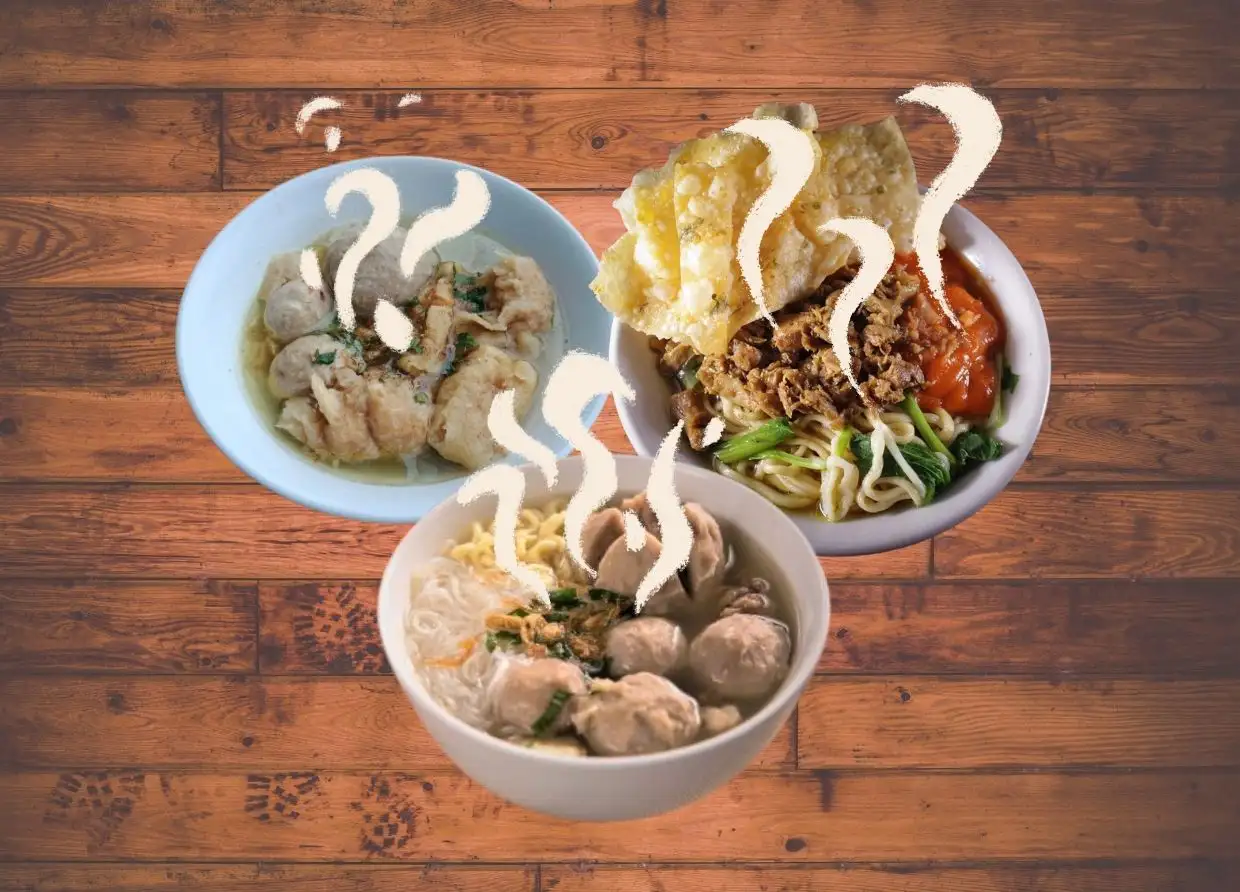
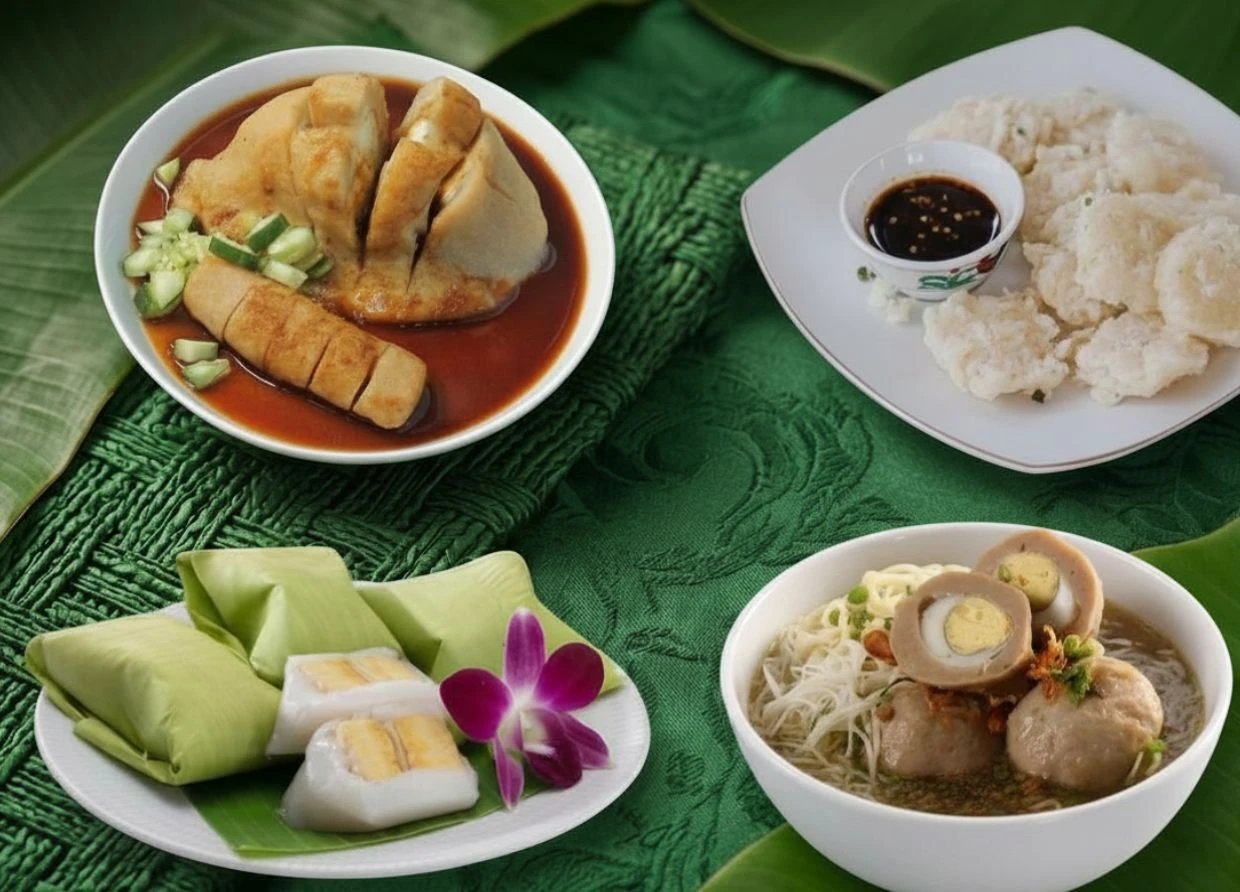
Here's the part that should make Indonesian food lovers sit up: of the 17 dishes on the entire list, nine are Indonesian. That's more than half a continent-spanning ranking claimed by one country. Beyond pempek and Bakso Solo, the list includes kue lapis, bakwan Malang, cireng, kerupuk udang, nagasari, bakso bakar, cilok, and bakso ayam.
"Pempek is far more than a snack it's engineered comfort food. Springy fish cake, sharp sweet-sour cuko, and that specific crunch when you bite through the fried skin. Once you've had good pempek, other fish cakes feel unfinished."
Why does pempek keep winning over other Southeast Asian street food?
Texture is the short answer. Tapioca flour gives pempek its signature chewy-but-springy bite, distinct from the softer rice-flour dumplings common elsewhere in the region. Add the cuko a dark, thick sauce built from palm sugar, garlic, chili, and vinegar and you get a flavor profile that's simultaneously sweet, sour, salty, and spicy in one spoonful. That's a harder combination to replicate than it sounds, which is likely why pempek shows up on multiple TasteAtlas lists, not just this one.
What's easy to miss in the headline stat is how ordinary most of these nine dishes are in daily Indonesian life. Cilok is a five-minute street cart snack. Bakso ayam is a lunch-break staple. None of them were designed for a global ranking they were designed to be cheap, fast, and satisfying. That's arguably the more interesting story: Indonesia's everyday food, not its fine-dining scene, is what's racking up international recognition.
Tapioca flour itself locally called tepung kanji or tepung aci is extracted from cassava root, a crop grown widely across Sumatra and Java. Its neutral flavor and elastic texture when cooked make it a foundation ingredient across wildly different dishes, from crispy cireng to soft nagasari cakes. It's less a single "food" than a technique that shapeshifts depending on the region.
Global recognition like this doesn't change what's served at a warung in Palembang tomorrow morning. But it does put pressure on how these dishes get exported literally. As more countries develop a taste for pempek and cuko, expect more frozen-pempek exports and more attempts elsewhere to imitate a sauce that's genuinely hard to get right.