INDONESIA IS THE ONLY COUNTRY IN ASIA PRODUCING CACAO AT COMMERCIAL SCALE SO WHY DOESN'T ANYONE KNOW?
Indonesia is Asia's only major cacao producer, with 800,000 farmers and Top 3 global output yet most of its chocolate never carries its name.


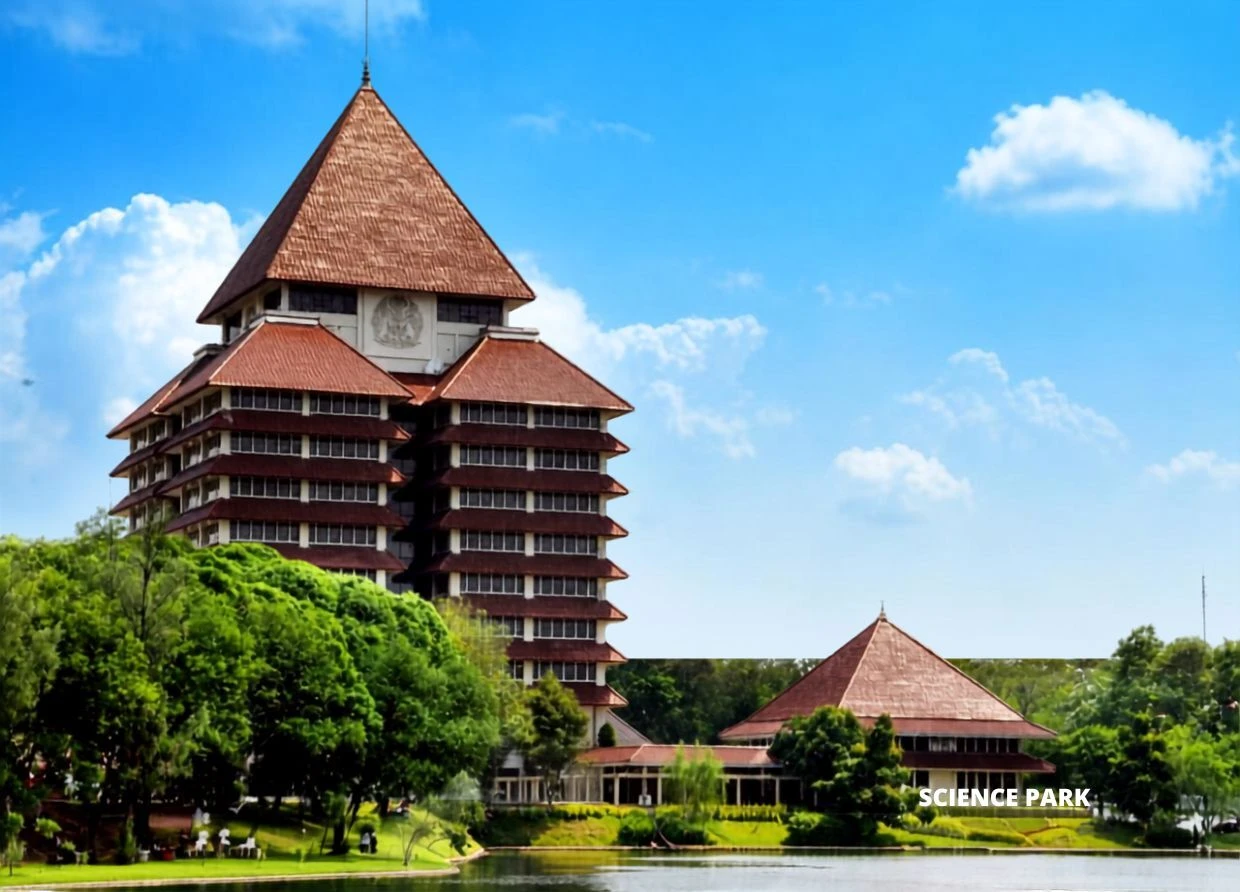

China and Thailand have the exact same climate. They picked different crops. Indonesia built one of the world's biggest cacao industries almost by accident and its name still isn't on the label.
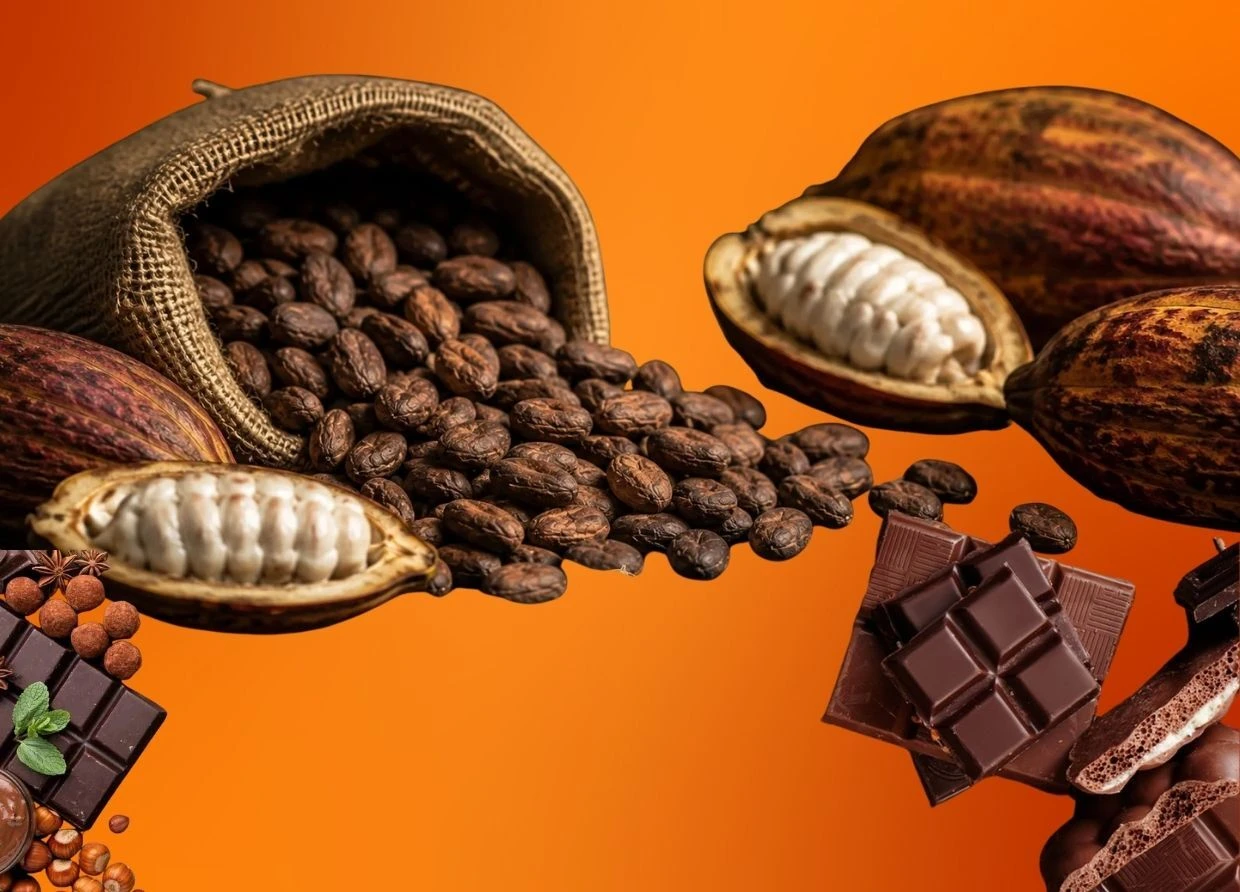
Crack open a cacao pod in the hills of Sulawesi and you're holding the raw material for chocolate bars sold from Antwerp to Tokyo. Look for Indonesia's name on the wrapper. You won't find it.
Indonesia is the only country in Asia growing cacao at major commercial scale. Around 800,000 smallholder farmers cultivate it nationwide, most of them in Sulawesi, which produces 65 to 80 percent of the country's total output roughly 200,000 tons a year. Cacao first reached Sulawesi in the 1560s, spread there from Java in the 1880s, and by the 1980s had pushed Indonesia into the world's top three.
cacao-producing nations. Even so, the country supplies only around 3 percent of global cacao volume.
At a Glance
- 800,000 smallholder cacao farmers across Indonesia
- Sulawesi alone produces 65–80% of national output (~200,000 tons/year)
- Indonesia supplies ~3% of global cacao but 100% of Asia's commercial-scale production
- Up to 85% of Indonesian cacao beans aren't properly fermented before sale
How Did Indonesia Become Asia's Only Major Cacao Producer?
China and Thailand sit in the same tropical belt as Indonesia, with climates perfectly capable of growing cacao too. Neither built an industry around it. China leaned into other cash crops; Thailand focused on rice, rubber, and fruit exports. Indonesia's cacao boom, by contrast, wasn't really planned it grew out of a 1980s farming push in Sulawesi that turned smallholders into one of the country's largest agricultural workforces, almost by default.
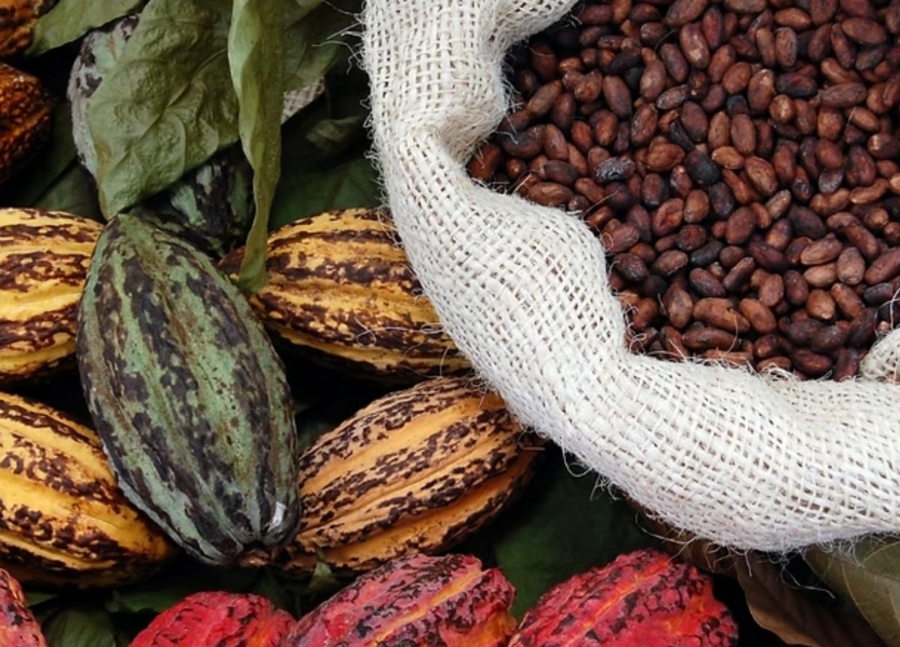
Credit : www.Indocashew.com
Why Doesn't Anyone Know Indonesian Cacao Exists?
Indonesian beans end up blended into chocolate made by manufacturers worldwide, in products that never mention where the raw cacao came from. Chef and content creator Claudia Sarah, who runs the Instagram account @claudiasarah.co, summed up the disconnect while filming an episode on the industry for her Indonesian Chocolate series:
"As a chef, I only just realized I never actually understood what this meant."
That's the gap. Most Indonesians including people who work with food professionally don't know their own country supplies a meaningful share of the world's chocolate.
What's Actually Wrong With Indonesia's Cacao Industry?
The bigger issue isn't supply it's quality control. Up to 85 percent of Indonesian cacao beans aren't properly fermented before they're sold. Fermentation is what develops the deep, fruity, faintly boozy flavor chocolate makers actually want; skip it, and the beans taste flatter and more bitter. This isn't a matter of farmers lacking skill. It comes down to process gaps, limited access to fermentation infrastructure, and no guaranteed market that pays more for beans that go through the extra step.
Can Indonesian Cacao Go Premium?
A handful of Indonesian chocolate brands have already started building direct relationships with Sulawesi farmers, fermenting beans properly, and marketing origin-specific bars the way specialty coffee brands market single-origin beans. Realistically, only about 5 to 10 percent of national supply can support that kind of premium, traceable positioning the rest stays commodity-grade, sold in bulk with no name attached. But that niche has already proven it can work, in coffee first, and now increasingly in cacao.
The story here isn't really about chocolate. It's about a country that's been sitting on a resource for more than 400 years without fully recognizing what it has and deciding, finally, what to do with that awareness.