SUMATRAN TIGER CUBS BORN IN TEXAS: MEET BARANI AND MALU
Two Sumatran tiger cubs, Barani and Malu, were born at Fort Worth Zoo in Texas on July 1, 2026. Here's why it matters for Indonesia.





At a glance
- Born July 1, 2026
- Age now 13 weeks
- Weight About 8–9 kg each (18–20 lb)
- Wild population Fewer than 650 Sumatran tigers
A tiger the size of a large pumpkin just got a name that means "shy." Her sister's name means "brave." Both names are Indonesian, and both cubs were born in Texas.
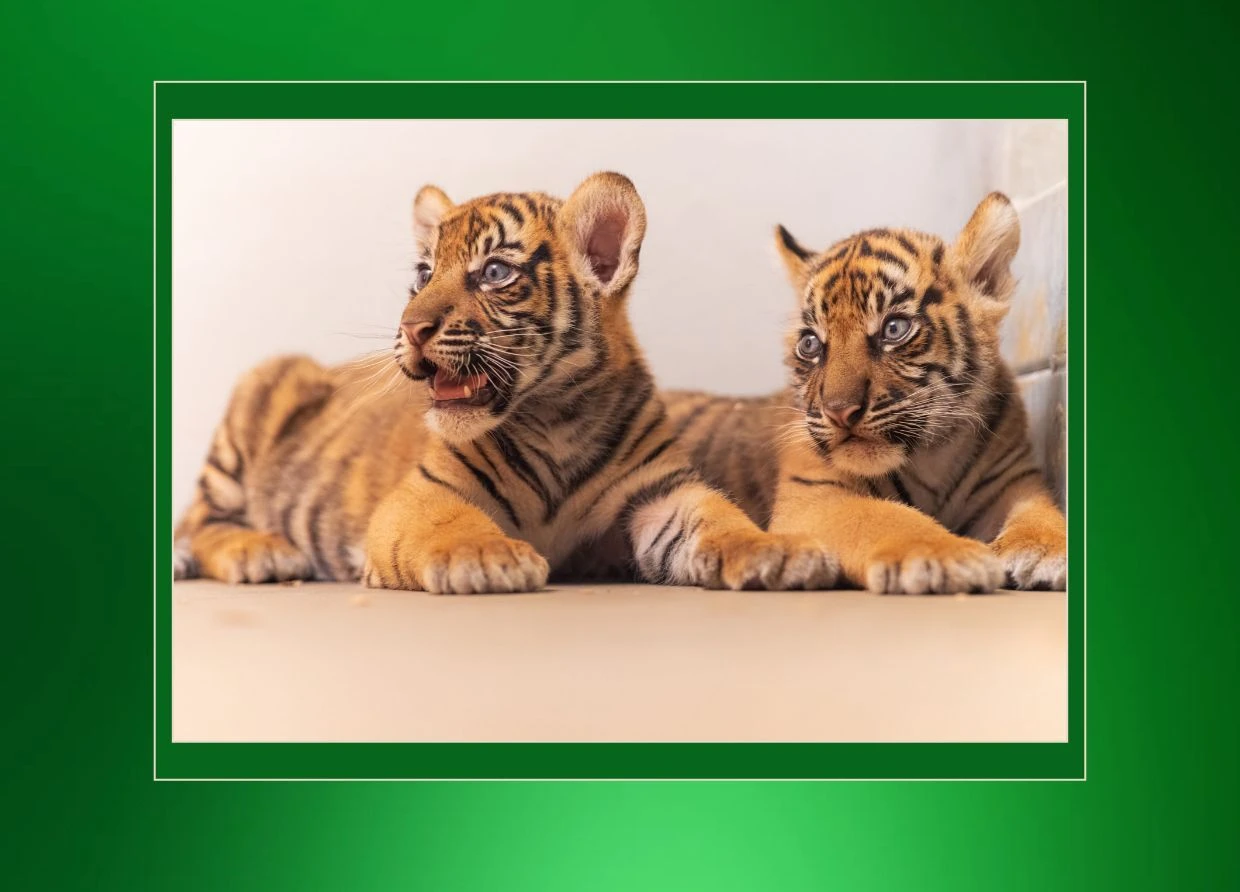
Barani and Malu are two female Sumatran tiger cubs born on July 1, 2026, at the Fort Worth Zoo in Texas, USA. They are the first Sumatran tiger cubs ever born at that zoo. At 13 weeks old, each cub weighs about 8–9 kg. Their mother is first-time mom Ndari, and their father is Rakan. They will meet the public in the coming weeks.
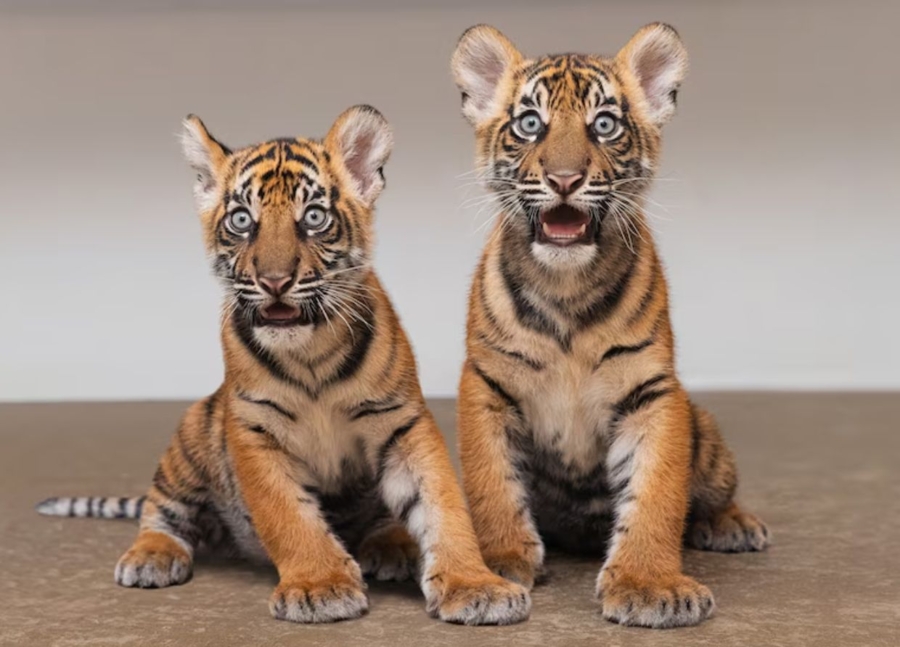
Credit : Fort Worth Zoo
What Are the Sumatran Tiger Cubs Born at Fort Worth Zoo?
Look at the zoo photos and you see two cubs with huge paws and wide, pale blue-grey eyes. In one picture, they sit in a big hollow shell, one paw hanging over the edge. In another, one cub stares at the camera with her mouth open, as if she is complaining about something.
They are sisters, and they already have different personalities. The zoo says Barani is a "spitfire" who loves to start play-fights, while Malu is more independent and likes time alone.
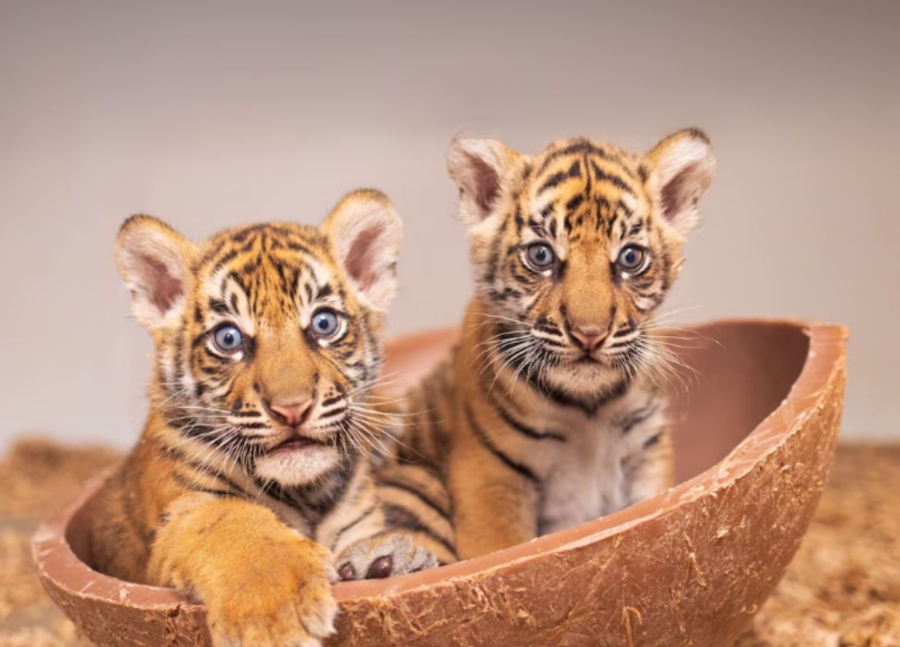
Credit : Fort Worth Zoo
Why Do Their Indonesian Names Matter?
Sumatran tigers live in only one place in the wild: the island of Sumatra in Indonesia. Giving the cubs Indonesian names is a small nod to home.
Barani means "brave," and Malu means "reserved." If you speak Indonesian, you know malu also means shy or embarrassed. It is a funny, very relatable name for a tiger. Here is the surprise: a tiger cub in Texas is named after a feeling most of us have had in a meeting.
Why Is This Birth Such Big News for Conservation?
Sumatran tigers are in serious trouble. The International Union for Conservation of Nature (IUCN) lists them as critically endangered. Social media posts about the birth say fewer than 650 remain in the wild. Other zoos give even lower estimates, around 400 to 600, so the exact number is hard to pin down.
The main threats are deforestation and habitat loss. Every cub born under human care adds to the global population, and zoos can also use these moments to get people to care.
That is exactly what the zoo is hoping for.
"We're hopeful that these cubs will inspire a new generation."
— Ramona Bass, Chairman, Fort Worth Zoo
When Can You See Barani and Malu?
The cubs will make their public debut at the zoo's "Predators of Asia and Africa" tiger habitat in the coming weeks. The zoo has not shared an exact date in the sources we found, so check the Fort Worth Zoo's official website and social media before you plan a visit.
If you cannot get to Texas, the photos are spreading fast on Instagram, and the story is already getting attention from Indonesian accounts.