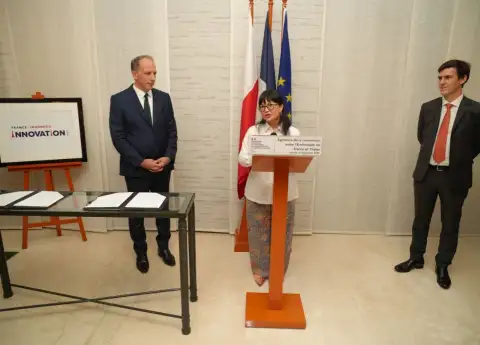
GORONTALO JUST SHIPPED 26 TONS OF SHREDDED COCONUT TO GERMANY AND IT PASSED ONE OF THE WORLD'S STRICTEST MARKETS
Gorontalo shipped 26 tons of desiccated coconut to Germany, worth Rp1.2B. Here's why breaking into the EU food market is a bigger deal than it sounds.
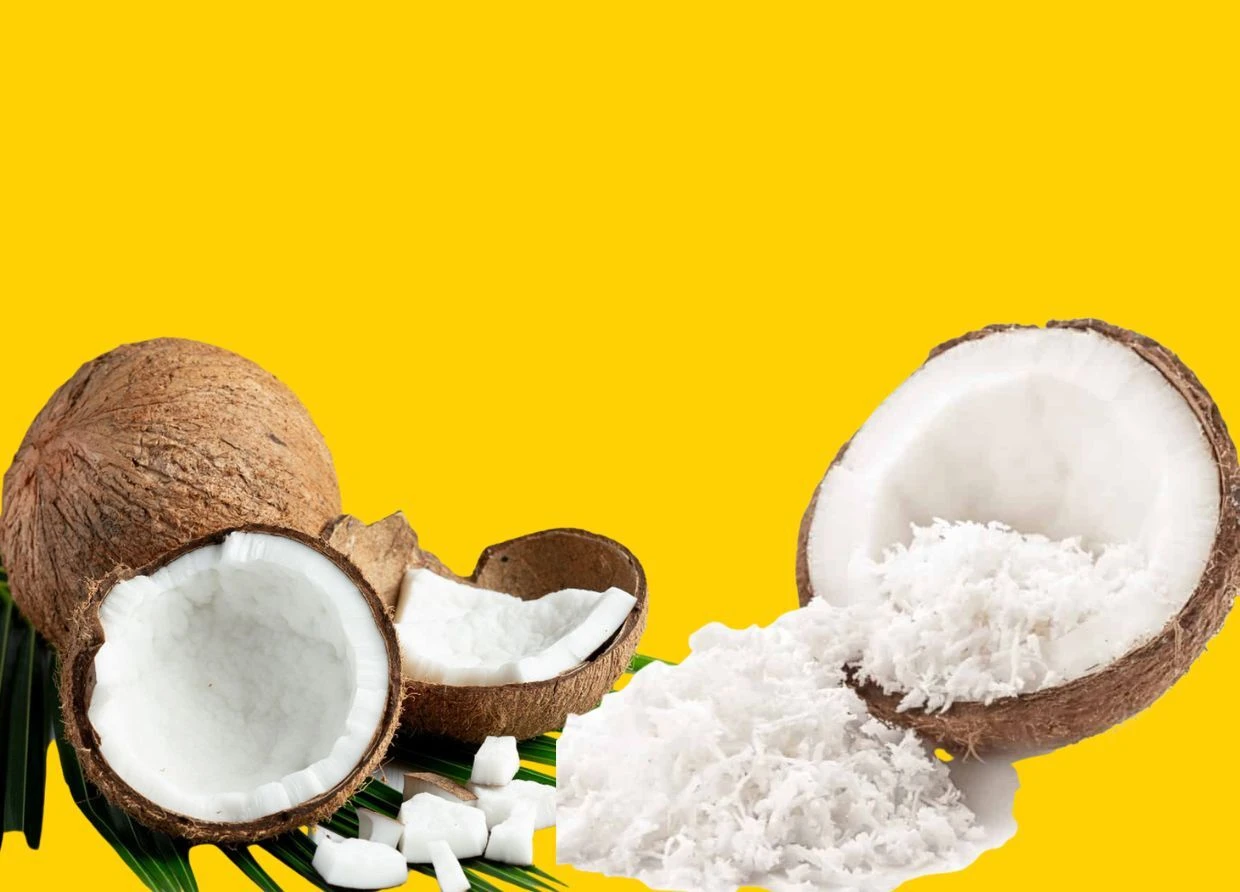




Somewhere in a food facility in Germany, a batch of shredded white coconut dry, fine, faintly sweet arrived from a small province most Europeans couldn't find on a map. Gorontalo, on the northern tip of Sulawesi, just shipped 26 tons of desiccated coconut (kelapa parut kering) worth Rp1.2 billion to Germany, breaking into one of the toughest food import markets on the planet.
This isn't just a shipment. It's a signal.
What Is Desiccated Coconut, and Why Does It Matter for Export?
Desiccated coconut is fresh coconut meat that has been shredded, dried, and processed to remove nearly all moisture typically to below 3%. The result is a shelf-stable ingredient used in everything from German chocolate cakes to health food bars. It sounds simple, but passing European Union food safety standards which include strict limits on pesticide residue, microbial count, and moisture content is anything but.
That Gorontalo's product cleared this bar is the real story. Indonesia has long produced coconuts at scale (it's one of the top three producers globally), but turning raw supply into export-ready, premium-grade processed goods is the harder climb.
How Gorontalo Did It
The export was facilitated through Pertamina Patra Niaga, the downstream subsidiary of state energy giant Pertamina, which has been expanding into commodity logistics and trade facilitation. The provincial government of Gorontalo framed the achievement as proof that Indonesian processed food products can compete at the highest standard not just in volume, but in quality.
The EU market has repeatedly rejected Indonesian food exports in the past over contamination and labeling issues. Getting a clean shipment through isn't routine. It requires cold-chain discipline, documentation aligned with EU import regulations, and a processor that knows how to meet specs that would fail most informal operations.
The Counterintuitive Part
Here's the thing: Germany isn't a coconut country. It imports desiccated coconut not because it lacks alternatives, but because demand for coconut-based ingredients in European bakery, confectionery, and health food has grown steadily over the past decade. Indonesia's advantage isn't just geography it's that fresh coconut here is fresher at the source. Processing closer to origin means less oxidation, better flavor retention, and a whiter, cleaner product than what gets processed after long-distance transport.
In blind taste and texture tests, origin-processed desiccated coconut consistently outperforms product that's been transported whole and processed later. Gorontalo, it turns out, may have a natural quality advantage if it can maintain processing standards.
What Else Gorontalo Is Exporting
Beyond the Germany shipment, Gorontalo also sent corn and milkfish (ikan bandeng) to Jakarta, with a combined economic value of Rp1.575 billion. The province is quietly becoming a multi-commodity supply hub not just for one product, but for a range of agricultural and aquaculture goods that are finding markets beyond Sulawesi.
This fits a broader government push toward hilirisasi a policy of processing raw commodities domestically before export, rather than shipping them raw and letting other countries capture the value-add margin. Coconut is a textbook case: raw kopra earns a fraction of what desiccated coconut commands per kilogram on the international market.