JAKARTA OFFICIALLY RANKS ASEAN'S 2ND SAFEST CITY IN 2026
Jakarta ranked #2 safest city in ASEAN in 2026, beating Bangkok and KL but sits at #87 globally. Here's what the score really means.


AT A GLANCE
- Score: 0.72 out of 1.00
- Rank: #2 in ASEAN, #87 globally out of 181 cities/countries
- Beat: Bangkok (0.65), Kuala Lumpur (0.57), Hanoi (0.60), Manila (0.41)
- Only lost to: Singapore, at 0.90
Jakarta has never had a reputation for safety. Ask anyone who's sat through a two-hour commute on Jalan Sudirman, or waded through knee-deep water in Kemang during rainy season, and "safe" is not the word that comes to mind.
So when the Global Residence Index (GRI) dropped its Safety Index 2026 on January 16, 2026, and put Jakarta at #2 in Southeast Asia ahead of Bangkok, Hanoi, and Kuala Lumpur even DKI Jakarta Governor Pramono Anung admitted he was caught off guard.
What is the Global Residence Index, and where did Jakarta rank? The Global Residence Index is a research firm that also advises on golden visas and citizenship-by-investment programs, and it publishes an annual global safety ranking based on crime, political stability, natural disaster risk, and traffic fatalities across 181 countries and cities. In the 2026 edition, Jakarta scored 0.72 out of 1.00, placing second in ASEAN behind Singapore (0.90) and ahead of Bangkok, Vientiane, Hanoi, and Kuala Lumpur. Globally, though, Jakarta sits at #87 a reminder that "safest in the region" and "safe by world standards" are two very different claims.
How Did Jakarta Pull This Off?
The GRI doesn't just count crime reports. It blends homicide rates, kidnapping risk, political instability, road traffic deaths, and natural disaster deaths into one composite score. Jakarta's homicide and major-conflict numbers are low. Its traffic death rate, at 15.3, and natural disaster risk score of 10.24, are not they're the drag weighing the city down globally, even as it climbs regionally.
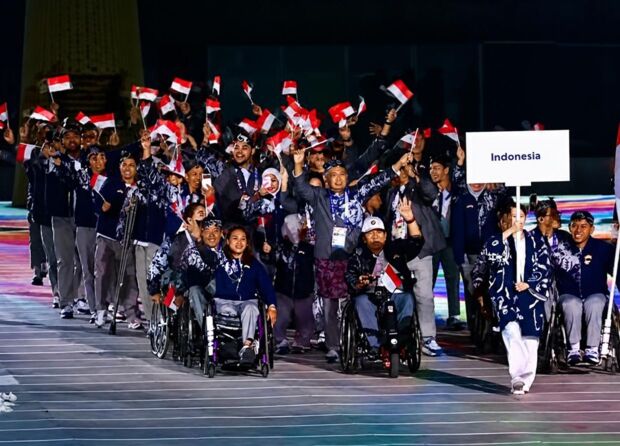
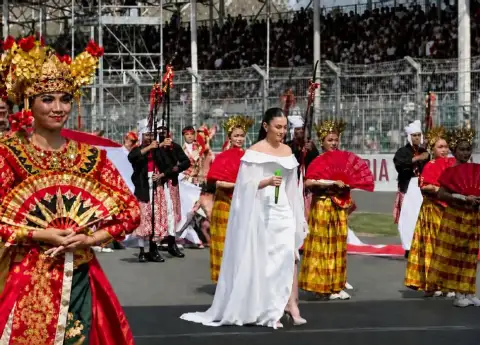
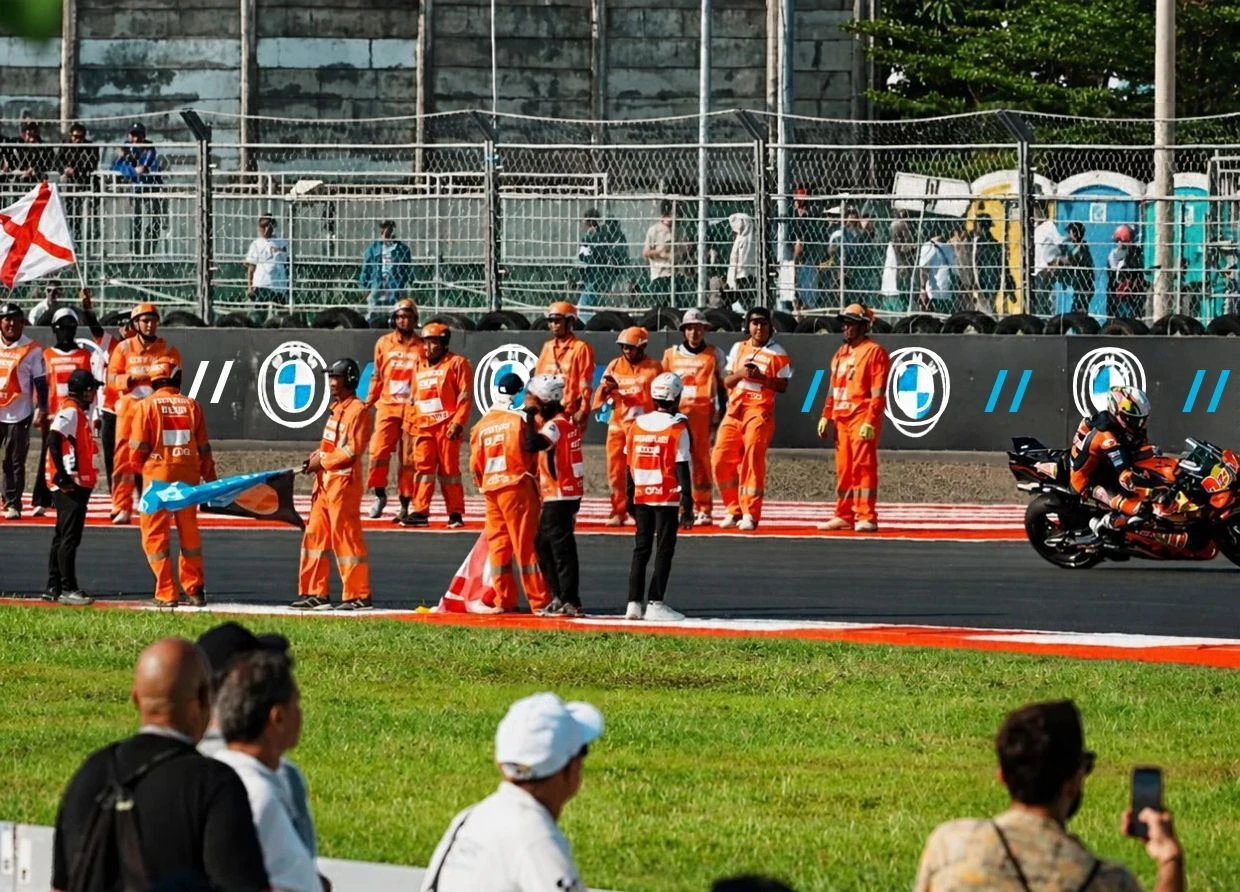
Governor Pramono pointed to something less statistical: a string of major religious and cultural events Christmas, Cap Go Meh during Lunar New Year, Ramadan torch parades, and Nyepi's ogoh-ogoh processions that passed through 2025 without major incident. "This isn't because of City Hall," he said. "It's because we're collectively aware of keeping Jakarta safe together."
What's the Catch and Why Isn't Jakarta Celebrating Too Hard?
Here's the counterintuitive part people are sharing: ranking #2 in ASEAN did not put Jakarta anywhere near the global top tier. At #87 out of 181, Jakarta trails dozens of cities most Indonesians have never worried about safety-wise. GoodStats, the data outlet that broke this down for Indonesian audiences, points out that the methodology leans on national-level data for several indicators meaning some local crime statistics never make it into the score at all, due to differences in how countries define and report crime.
"The number two spot in ASEAN doesn't automatically place Jakarta in the world's top tier regionally strong, globally still mid-table."
Jakarta Metro Police Chief Insp. Gen. Asep Edi Suheri used the ranking as a rallying point rather than a victory lap, doubling down on the "Jaga Jakarta" (Protect Jakarta) security program across every district and precinct in the city.
What Should Jakartans Actually Take From This?
Treat the ranking as a snapshot, not a guarantee. Traffic accidents and flood risk remain real, daily hazards that a single composite score can flatten into background noise. The safety win is genuine but it's a regional flex, not a global one.