INDONESIAN MATCHA IS REAL, AND IT TASTES DIFFERENT
Indonesian matcha is now made in West Java from local tea leaves. Here's how two producers in Ciwidey and Tanah Priangan are doing it, and what it costs.
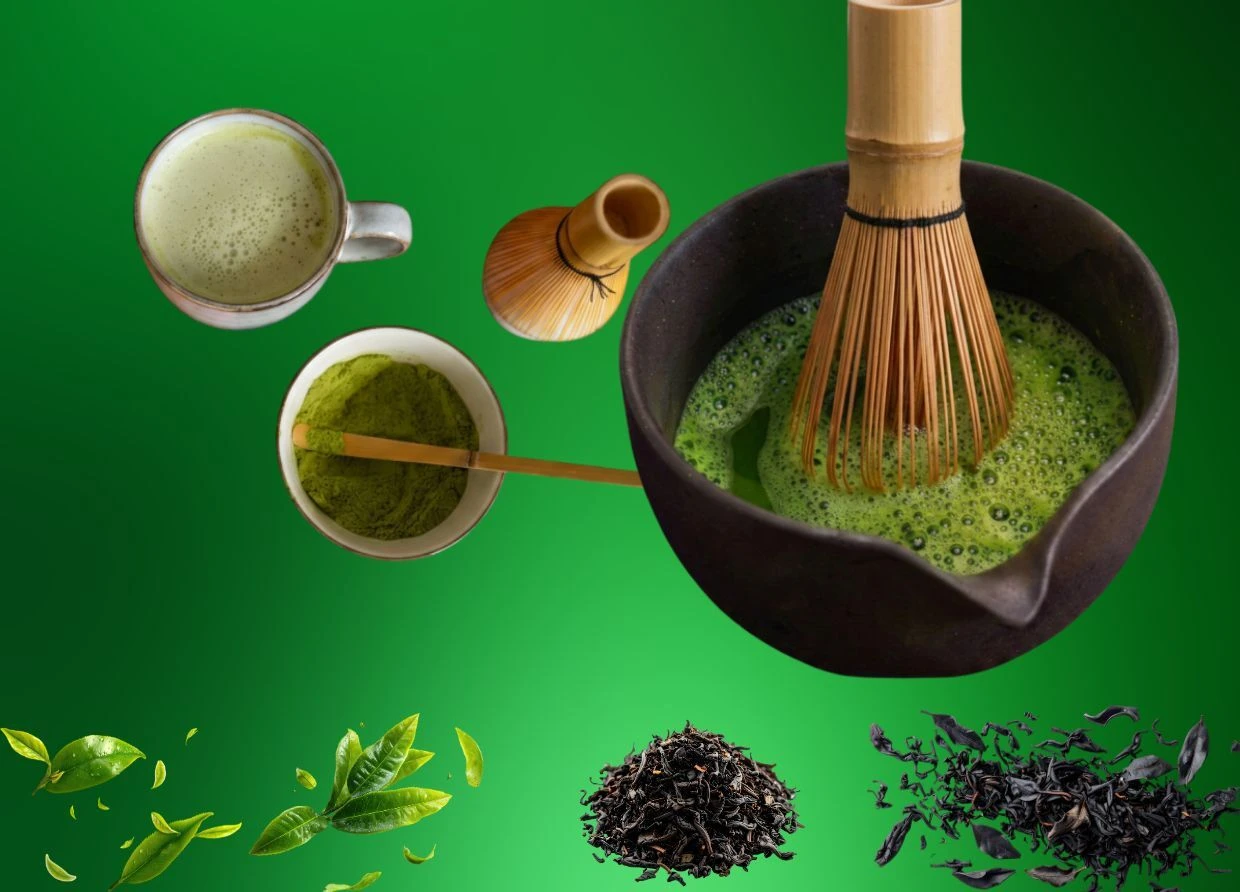



Rizal Firdaus has been growing, drying, and grinding tea leaves into matcha since 2016. Nobody taught him. He learned from internet forums and literature, then spent years training tea farmers to pick and process leaves the way Japanese matcha demands a completely different standard from regular green tea.
What is Indonesian matcha, and who is making it?
Indonesian matcha is culinary-grade matcha powder produced domestically from tea grown in West Java, led by two producers: Rizal Firdaus, who runs a factory in Ciwidey processing 300 kilograms of tea leaves daily, and Ifah Syarifah, who sources leaves from farmers across Tanah Priangan and sells under the brand Arafa Tea. Both sell mostly white-label unbranded powder directly to cafes and resellers across Indonesia, a market currently dominated by imported Japanese and Chinese matcha.
At a glance:
- 300 kg of tea leaves processed daily at Rizal's Ciwidey factory
- 8 years of development before Rizal felt ready to scale distribution
- Up to 500 kg of matcha ordered monthly from Ifah Syarifah
- 2 countries Japan and China currently dominate Indonesia's matcha supply
Here's the part that surprises people: Indonesian matcha doesn't look or taste like the Japanese version, even within the same culinary grade. Side by side, the local powder skews more brownish-green instead of the vivid emerald Japan is known for. The reason isn't sloppy technique it's the tea plant itself. Indonesia grows different tea varieties under a different climate than Japan, and that combination pushes the flavor toward something more sepat, the Indonesian word for a dry, astringent bite that lingers on the tongue.
Rizal says that difference is exactly why he's confident calling his product matcha at all. he told BBC News Indonesia meaning his production process, start to finish, follows the Japanese method, even if the raw material is local.
Ifah Syarifah has taken a similar path from a different angle. She's worked with tea farmers in the Priangan highlands for years, guiding them to supply leaves suited specifically for matcha rather than standard green tea. Her orders now reach up to 500 kilograms a month, moving through her brand Arafa Tea and through unbranded bulk sales to cafes hunting for a cheaper, fresher alternative to imported powder.
That freshness argument matters more than it sounds. Imported matcha sits in warehouses and shipping containers for weeks before it reaches an Indonesian cafe counter. Local matcha can go from leaf to jar in days and it directly funds the farmers picking it, rather than a supply chain stretching back to Uji or Fujian.
Indonesia isn't alone in trying this. China has been producing and exporting its own matcha for years, some of which now enters the Indonesian market too. But the country's tea-growing regions from Ciwidey to the Priangan highlands give local producers a genuine shot at building a domestic category, not just a knockoff of Japan's.
Whether Indonesian matcha becomes a serious alternative or stays a niche cafe ingredient depends on scale, consistency, and whether drinkers are willing to accept a different flavor profile as its own thing, rather than a lesser copy.