INDONESIA HAS NO NATIONAL FORMULA STUDENT LEAGUE. THESE SIX UNIVERSITY TEAMS ARE RACING ANYWAY.
No national league, six university teams, zero excuses. How Indonesian students are building race cars to compete at Formula Student events worldwide.
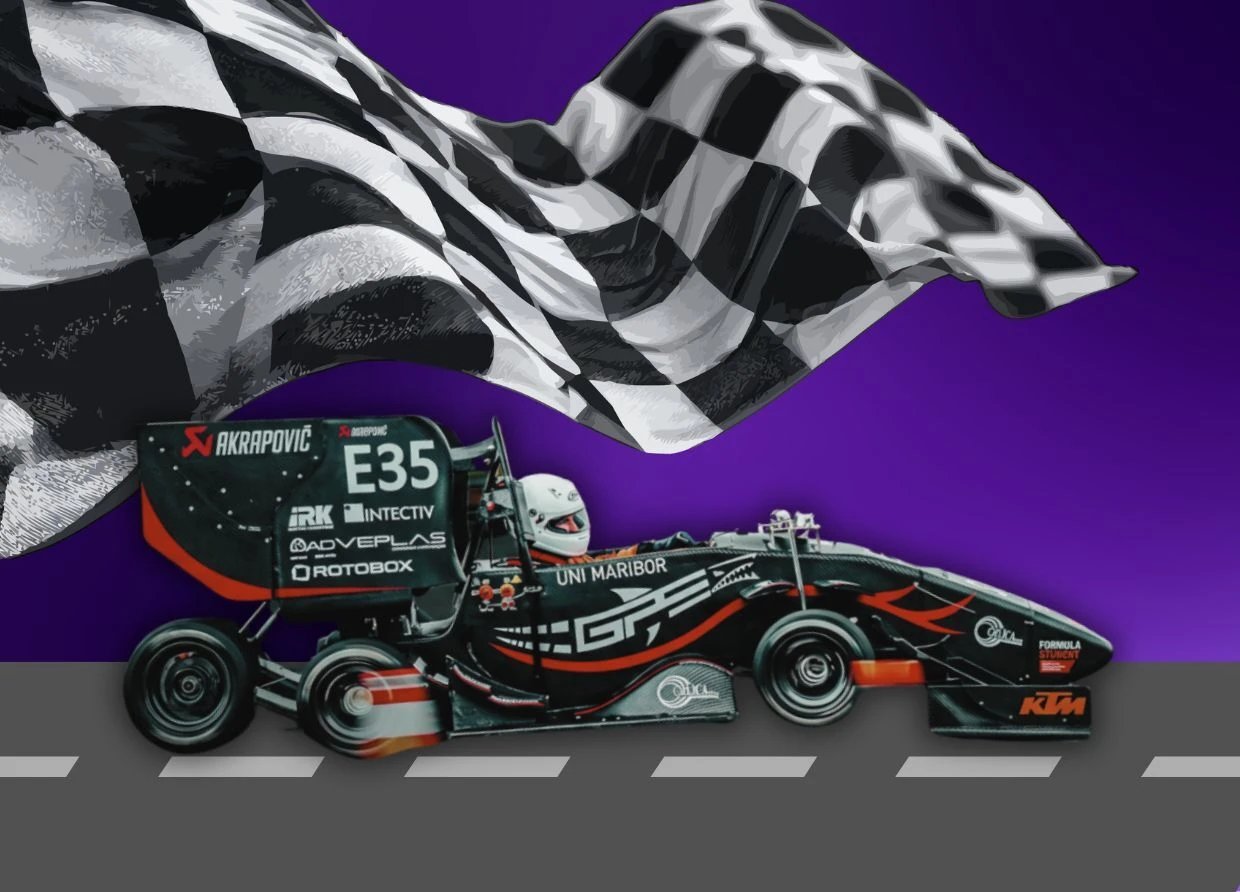





While countries like Germany and the UK run their own Formula Student championships, Indonesian students are building race cars from scratch and flying them to Czech Republic, Japan, and Italy just to compete.
There's no Indonesian Formula Student series. No home turf, no national final, no trophy waiting in Jakarta. And yet six university teams across the country have spent years building carbon-fiber race cars, shipping them overseas, and lining up against teams from Germany, Italy, and Japan anyway.
Formula Student is a global engineering competition where university students design, build, and race their own single-seater cars, judged on everything from acceleration to cost reports. Since 2010, Indonesian teams from Universitas Gadjah Mada (UGM), Universitas Indonesia (UI), Institut Teknologi Sepuluh Nopember (ITS), and Universitas Sebelas Maret (UNS) have represented the country at Formula Student Europe (held across Italy, Germany, and Austria), Formula SAE Japan, and Formula Student UK. There's no national qualifier; teams self-fund and self-organize their way straight into international paddocks.
At a Glance
- 0 national Formula Student championships in Indonesia
- 6 active Indonesian university Formula Student teams
- 2010 year Bimasakti Racing Team (UGM) became Indonesia's first Formula Student team
- 2013 year ITS Team Sapuangin started representing Indonesia at Formula SAE Japan
- 3,733 likes on Formula IDN's Instagram breakdown of these teams, published July 22
So Does Indonesia Actually Have a Formula Student Scene?
Yes, just not a centralized one. Indonesia has never hosted a national Formula Student championship the way the UK, Germany, or Japan do. Instead, university teams build cars independently and travel to compete on foreign soil, competing directly against schools with decades more institutional funding and racing infrastructure behind them.
That gap hasn't stopped Bimasakti Racing Team at UGM, founded in 2010 as the country's first Formula Student outfit. The team later built Southeast Asia's first hybrid Formula Student car a detail that tends to surprise people who assume Indonesian motorsport starts and ends with MotoGP Mandalika.
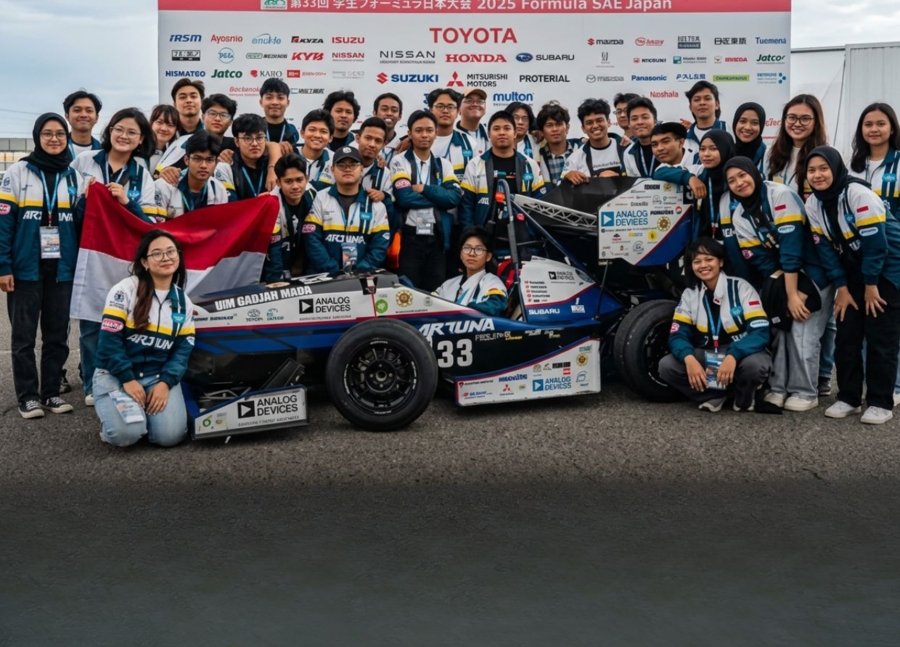
Credit : Instagram formula_idn
Which Teams Are Actually Doing This?
UI Racing Team, based at Universitas Indonesia, has represented the country at Formula Student Czech Republic for three consecutive years the fastest growth trajectory of any Indonesian team, according to Formula IDN's own tracking. Over at ITS, two separate teams run in parallel: Anargya ITS Formula EV Team, focused purely on electric powertrains, and ITS Team Sapuangin, which has raced combustion-engine cars at Formula SAE Japan since 2013.
UGM also fields Arjuna Electric Vehicle Team, its dedicated electric division competing at Formula SAE Japan, while Universitas Sebelas Maret's Bengawan Formula Student team splits its season between Formula SAE Japan and Formula SAE Italy one of the few Indonesian teams competing on two continents in a single competitive cycle.
The cars themselves are unglamorous up close: exposed rivets, hand-taped wiring, the faint smell of brake dust and burnt rubber trailing them off the truck at every paddock. That's the point. Judges score manufacturing quality, not paint jobs.
"Formula IDN believes the future of Indonesian motorsport isn't just built by drivers it's built by the engineers behind them," the account wrote in its recent breakdown of these teams, framing student engineers as part of the same ecosystem as professional racing.
Why This Matters Beyond Campus
These teams aren't hobby clubs. They're a pipeline. Formula Student alumni regularly move into automotive engineering, EV startups, and motorsport teams across Southeast Asia and Indonesia's growing presence at Formula SAE Japan and Formula Student Europe is slowly building the country's credibility in a field it has almost no formal infrastructure for.