WHAT MICAM'S SS27 REPORT SAYS ABOUT THE SHOES YOU'LL ACTUALLY BUY
MICAM Milano's SS27 footwear trend report used AI to track four shoe trends for 2027 from thigh-high boots to canvas Mary Janes. Here's what's coming.



At a Glance :
- 4 macrotrends define MICAM's Spring/Summer 2027 footwear guide
- +700% year-on-year growth for the kids' canvas Mary-Jane, the single biggest jump in the entire report
- €190.88 average current price for the thigh-high boot, one of the report's flagged "big trend" items
- 4 data sources power the forecast: e-commerce listings, Instagram, fashion show visibility, and consumer search behavior
A shoe brand analyzing millions of Instagram photos to predict what you'll wear in 2027 sounds like science fiction. It's not. It's the new buyer's guide from MICAM Milano, the international footwear trade fair, built with a fashion-tech startup called Livetrend.
MICAM Milano, working with Livetrend, has released the first AI-generated footwear trend report ever produced for an international trade fair. The Spring/Summer 2027 (SS27) guide tracks four macro trends for women, men, and kids, using data pulled from e-commerce platforms, Instagram, runway shows, and search engines. The goal, according to the report, is to help buyers stock what will actually sell instead of guessing and cut down on unsold inventory in the process.
Credit : Spring Summer Press Kit MICAM MILANO
What Are the Four SS27 Footwear Trends?
The report frames SS27 as a mood shift after several seasons of restraint, the industry is leaning into color, texture, and expression. It calls this shift "the antidote to suffering," reframed as active pleasure rather than escapism.
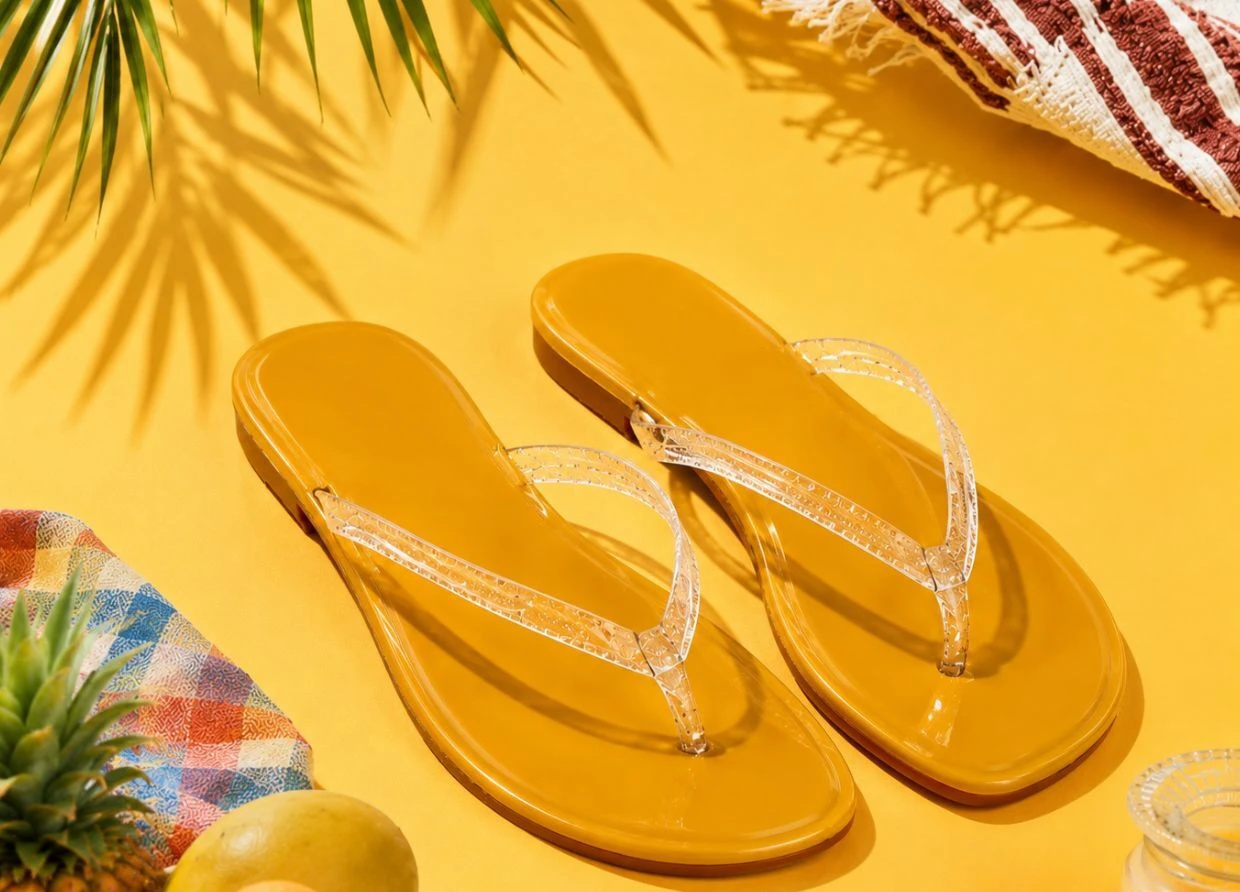
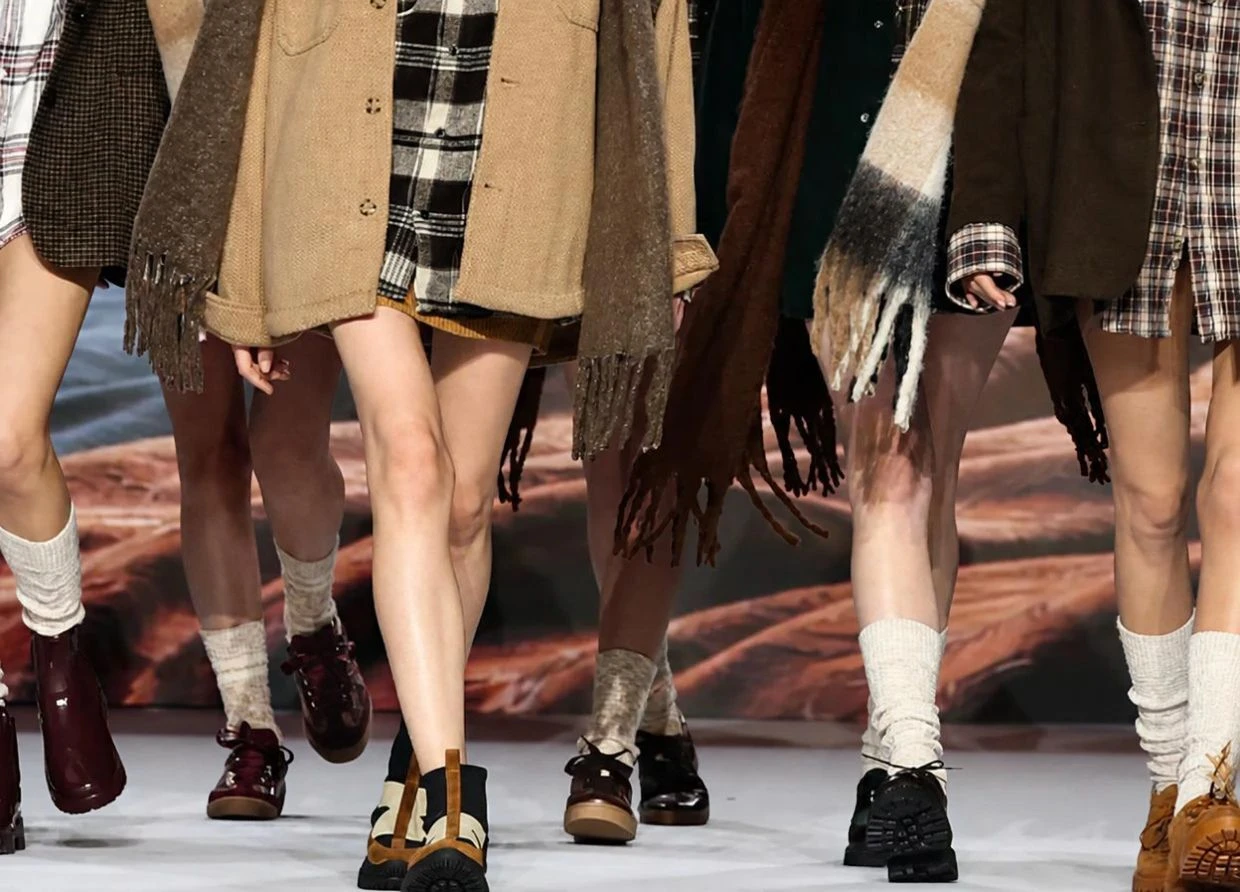
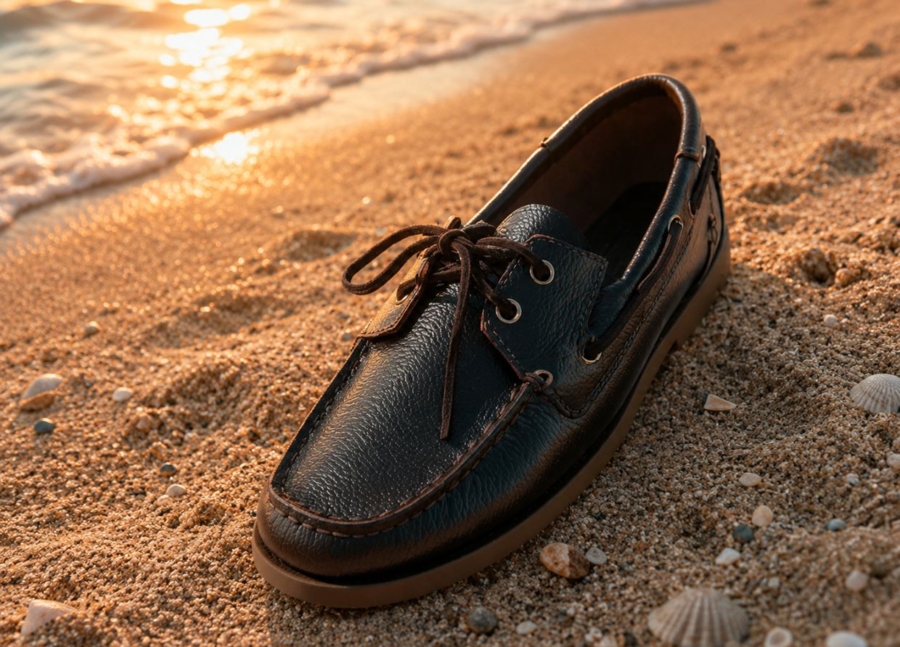
The four macrotrends are Mare Noir, a darker, sailor-inspired look built on lace-up sandals and rope details in black and chalk white; Urban Beach, a retro-sport mashup of colorblocked sneakers and pool slides in electric blue and citrus tones; Tribal Relics, handcrafted sandals and fringe moccasins in clay and ochre, drawing on shell and bead detailing; and Summer Residence, glossy mules and bow-detailed flats in powder pink and soft blue, aimed at a "garden party" mood.
"Maximalism returns with purpose. It is not chaotic excess, but curated intensity," the SS27 report notes, describing how footwear this season carries more decoration and emotional charge than recent seasons.
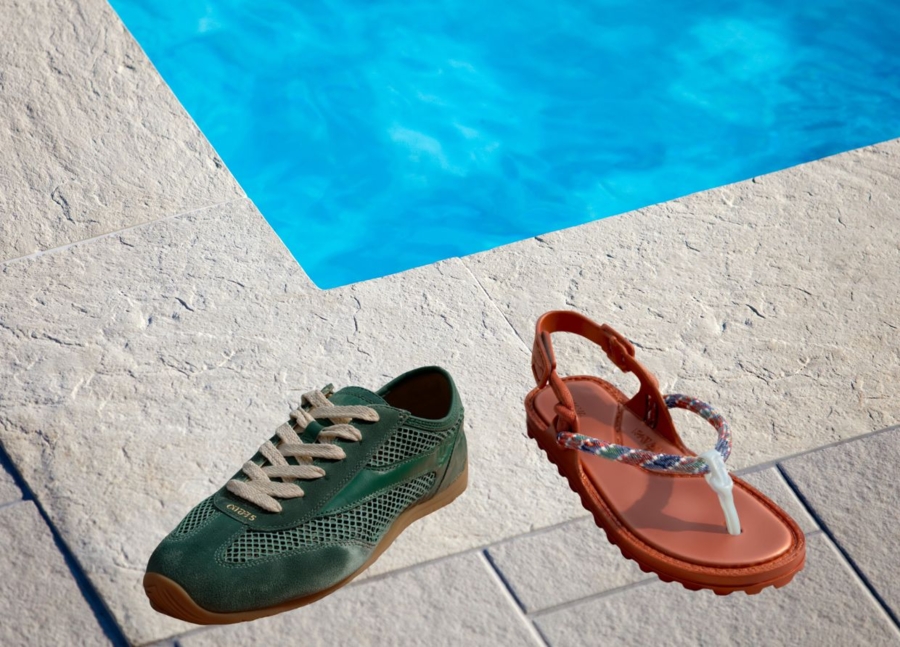
Credit : Spring Summer Press Kit MICAM MILANO
Which Shoe Styles Are Growing the Fastest?
The numbers are where it gets interesting. In kidswear, the canvas Mary-Jane posted 700% year-on-year growth by far the report's biggest single spike. Among adult styles, the caged flat sandal in the Mare Noir trend grew 600%, and the nylon retro runner sneaker in Urban Beach grew 450%. Meanwhile, some heritage staples barely moved: the penny loafer grew just 2%, and the classic strappy stiletto only 7%, suggesting buyers are chasing novelty over safe bets this season.
What Does MICAM Offer That Indonesia Doesn't Have Yet?
Indonesia already has its own trade platform, the Indo Leather & Footwear (ILF) Expo, run by Krista Exhibitions in partnership with APRISINDO. It's a real and growing event. But MICAM operates at a different altitude: it's where European buyers, distributors, and design houses go to place orders for the season after next, and now it's the first international trade fair using AI to name exact growth percentages instead of vague "trend forecasts."
For an industry that manufactures in bulk for brands most Indonesians have never heard of, that's the missing piece visibility into demand before it's translated into a purchase order from a foreign buyer.
"Local footwear factories in Indonesia are currently only operating at a utilization rate of between 50 and 60 percent," Widjanarko has said, pointing to unused capacity that could be filled by exactly this kind of forward demand signal.
What Happens If Indonesia Sits This Out?
The risk isn't dramatic it's quiet. Vietnam, Indonesia's regional competitor in footwear manufacturing, has been aggressively courting the same European and American buyers. If Indonesian manufacturers keep reacting to trends instead of anticipating them, orders that could go to Surabaya or Cibinong keep going to Ho Chi Minh City instead.
Trade forecasting used to run on instinct and trade show gossip. It's now running on scraped data and search trends. Indonesia has the factories, the labor force, and the export track record. What it needs is a seat at the table where the forecast gets made not just where the shoes get assembled.