
TRAVEL GUIDE TO KOMODO NATIONAL PARK: NATURAL BEAUTY AND WILDLIFE WONDERS
Discover Komodo National Park in Indonesia, home of the legendary Komodo dragon, stunning islands, pink beaches, and world-class marine biodiversity
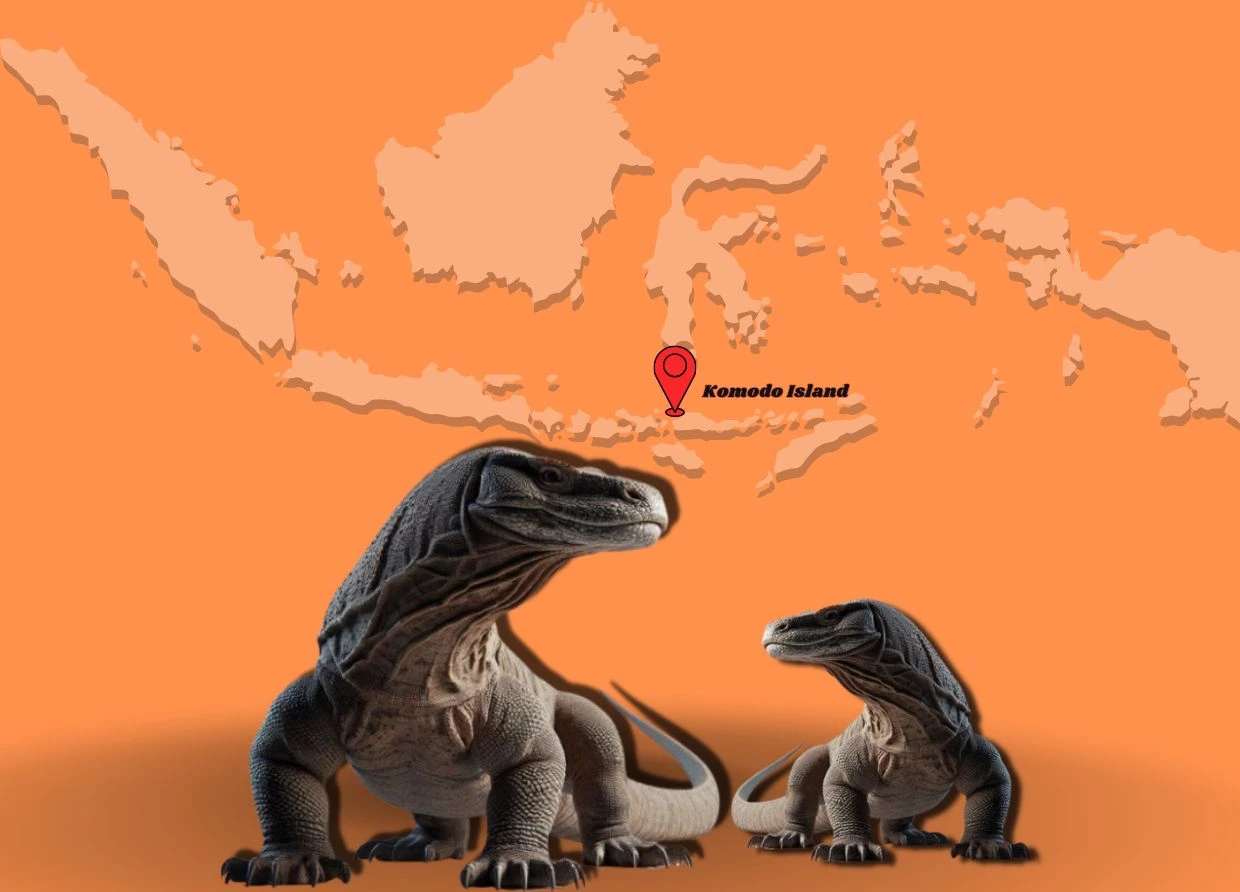





Indonesia is famous for its breathtaking natural landscapes and extraordinary biodiversity. Among its most iconic destinations is Komodo National Park, a remarkable conservation area located between the islands of Sumbawa and Flores. Known for its rugged hills, turquoise waters, and unique wildlife, the park has become one of Southeast Asia’s most fascinating travel destinations.
Established in 1980, Komodo National Park was originally created to protect the legendary Komodo dragon, the world’s largest living lizard. Today, the park protects not only these ancient reptiles but also an extraordinary marine ecosystem that attracts divers, nature enthusiasts, and photographers from around the globe.
For travelers seeking both adventure and natural beauty, Komodo National Park offers an unforgettable experience that combines wildlife exploration with stunning tropical scenery.
Home of the Komodo Dragon
The main highlight of Komodo National Park is undoubtedly the famous Komodo dragon. These impressive reptiles can grow up to three meters in length and weigh more than 70 kilograms. Their powerful bodies, sharp claws, and venomous bite make them one of the most fascinating predators in the animal kingdom.
Komodo dragons live primarily on several islands within the park, including Komodo Island and Rinca Island. Visitors can observe these animals in their natural habitat through guided tours led by trained park rangers who ensure both visitor safety and wildlife protection.
Seeing a Komodo dragon in the wild is a rare and thrilling experience. These ancient reptiles are often described as living dinosaurs, providing a glimpse into the distant past of Earth’s evolutionary history.

Stunning Island Landscapes
Beyond its famous dragons, Komodo National Park is also celebrated for its spectacular island landscapes. The park consists of dozens of volcanic islands characterized by rolling savannah hills, dramatic cliffs, and crystal-clear waters.
One of the most photographed locations in the park is Padar Island. From its famous hilltop viewpoint, visitors can see panoramic views of multiple crescent-shaped beaches separated by rugged green hills. The hike to the top is relatively short but offers breathtaking scenery that has become iconic in Indonesian tourism photography.
Another unique attraction within the park is Pink Beach. The beach gets its unusual color from microscopic red organisms called foraminifera that mix with white sand, creating a soft pink hue. Combined with turquoise waters and vibrant coral reefs, the beach creates a truly surreal coastal landscape.
A Paradise for Divers and Snorkelers
Komodo National Park is not only famous for its wildlife on land but also for its extraordinary marine life beneath the ocean surface. The park lies within the globally recognized Coral Triangle, which contains the richest marine biodiversity on the planet.
Divers visiting the park often encounter manta rays, sea turtles, reef sharks, and colorful coral gardens. The strong ocean currents in the region bring nutrient-rich waters that support an incredible variety of marine species.
Popular diving sites such as Mantas Point and Batu Bolong attract experienced divers from around the world. Even snorkelers can enjoy the vibrant underwater world just a few meters below the surface.
This combination of marine biodiversity and dramatic underwater landscapes has made Komodo one of the most sought-after diving destinations in Asia.

Conservation and Sustainable Tourism
Protecting the fragile ecosystems of Komodo National Park is a major priority for conservation organizations and the Indonesian government. In 1991, the park was officially recognized as a World Heritage Site by UNESCO due to its exceptional natural value.
Today, conservation programs focus on protecting Komodo dragons, monitoring coral reef health, and managing tourism sustainably. Park authorities work closely with local communities to promote eco-tourism practices that minimize environmental impact while supporting the regional economy.
Visitors are encouraged to respect wildlife, avoid touching coral reefs, and reduce plastic waste during their trips. Responsible tourism helps ensure that Komodo’s natural beauty remains preserved for future generations.
How to Visit Komodo National Park
Most travelers begin their journey to Komodo National Park from the town of Labuan Bajo, located on the western tip of Flores Island. In recent years, Labuan Bajo has rapidly developed into a vibrant tourism hub with hotels, restaurants, and tour operators offering boat trips to the park.
Visitors can explore the islands through day trips, liveaboard diving cruises, or multi-day sailing tours that allow travelers to experience the park’s remote beauty more fully.
The best time to visit Komodo National Park is typically between April and November, when the weather is dry and sea conditions are more stable for boat travel.
Komodo National Park is one of Indonesia’s most extraordinary natural destinations. From the legendary Komodo dragons roaming its rugged islands to the vibrant coral reefs beneath its crystal-clear waters, the park offers an unmatched combination of wildlife adventure and scenic beauty.
For travelers seeking a unique blend of nature, exploration, and conservation, Komodo National Park stands as one of the world’s most remarkable destinations. A visit here is not only an adventure but also a chance to witness one of the planet’s most precious ecosystems.
#Komodo National Park #Komodo Dragon Indonesia #Indonesia Travel Guide #Flores Tourism #Pink Beach Komodo #Diving Komodo Indonesia #UNESCO World Heritage Indonesia #Wildlife Tourism Indonesia