FISH SCALES, BATIK, AND 22 YEARS OF RUNWAY: INSIDE BRI JF3 FASHION FESTIVAL 2026'S CRAFTSMANSHIP STORY
BRI JF3 Fashion Festival 2026 turns batik, tenun, and even fish scales into runway craft. Dates, designers, and what "Recrafted" really means.


Fish scales from Bintan fishermen, sewn one by one like sequins. That's not a metaphor it's an actual technique on display at BRI JF3 Fashion Festival 2026, and it tells you everything about what this year's edition is really about: the hands you never see on a runway.
At a Glance
- Dates: 22–29 July 2026 (opening night 22 July)
- Venue: Fashion Tent, Summarecon Mall Kelapa Gading, North Jakarta
- Scale: 50+ designers and brands from Indonesia, Southeast Asia, East Asia, and Europe
- Legacy: 22nd edition since JF3 first launched in 2004
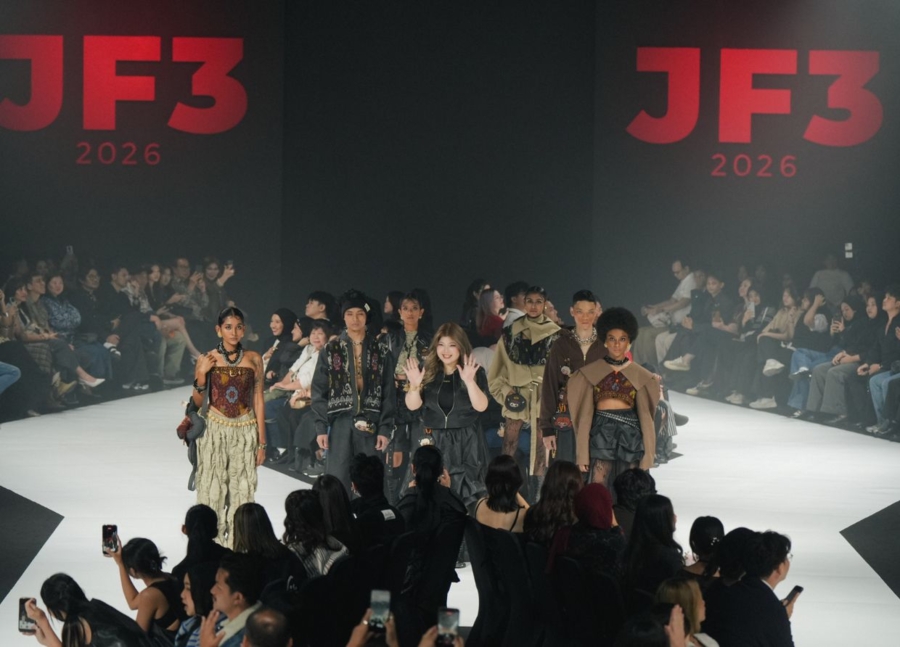
Credit : Publicrelation JF3
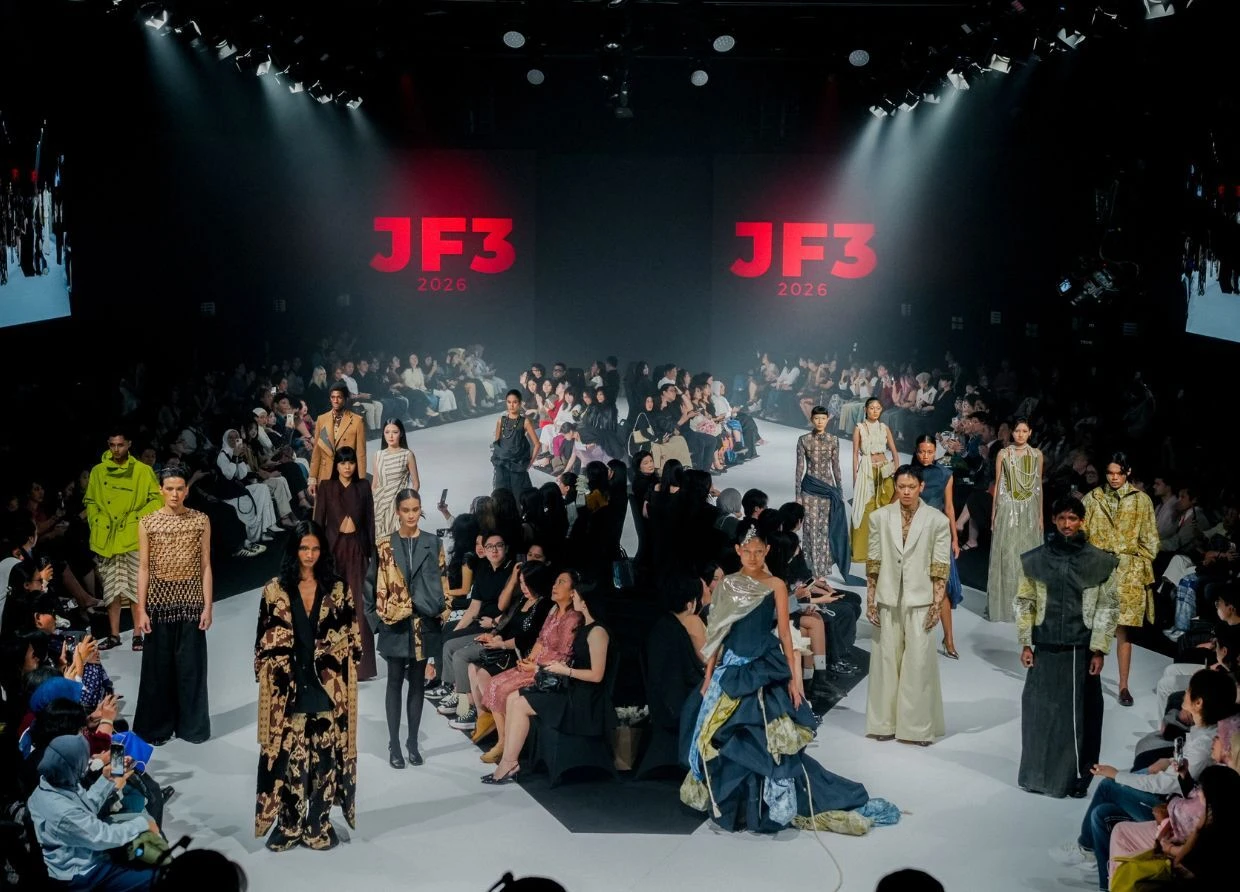
BRI JF3 Fashion Festival 2026 is Indonesia's longest-running fashion festival, organized by JF3 and PT Summarecon Agung Tbk, with Bank Rakyat Indonesia (BRI) as title sponsor. Running from 22 to 29 July 2026 at the Fashion Tent in Summarecon Mall Kelapa Gading, the festival brought together more than 50 designers and brands under the theme "Recrafted: Shaping the Future." Runway access is mostly reserved for industry, media, and invited guests, though mall visitors can browse the exhibition areas check @JF3_Info on Instagram for public-facing schedules and updates.
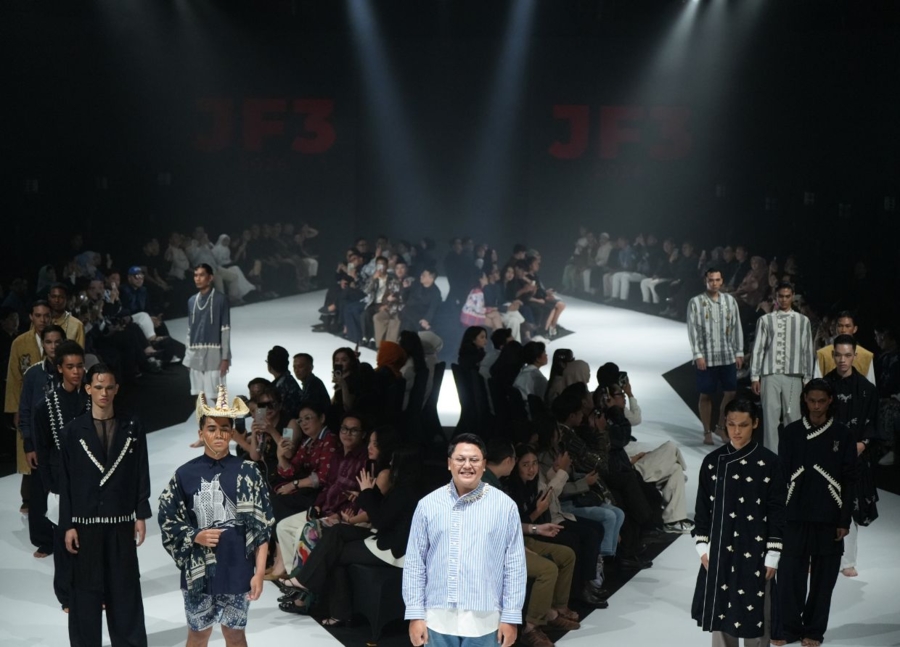
Credit : Publicrelation JF3
What Is BRI JF3 Fashion Festival 2026's Craftmanship Theme About?
Every look on the runway hides a process nobody claps for: hands batik-ing, embroidering, weaving, cutting, and finishing details one at a time. That knowledge doesn't come fast it's passed down and rebuilt over years.
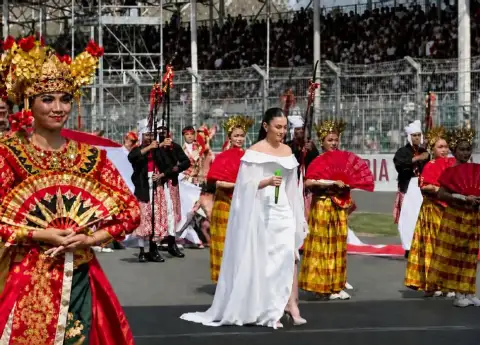
This year, JF3 put that process center stage instead of hiding it. Batik and tenun weaving got reworked into contemporary silhouettes. Embroidery stayed stubbornly handmade. Designers partnered directly with artisans instead of just buying their textiles.
LAKON Indonesia marked eight years with its HARSA collection, pairing handmade batik and embroidery with cotton, satin, and organza for looks that move from daily wear to "daily wear deluxe." YASA's NIHI Voyage collection translated Sumba's woven textures into embroidery instead of copying the motifs directly reading the tradition, not just repeating it.
The PINTU Incubator program pushed craft further. DACIA turned Bangka's Kain Cual textile into detachable panels on oversized streetwear. TOJA's DVARA collection, made with Palawa tablet weavers from Mamasa, West Sulawesi,
alongside Kumihimo braiding specialists, treated textile like architecture rectangular structures, elongated shoulders, cylindrical forms you could actually wear.
Then there's The Theme, which took kakap fish scales from Bintan fishermen and hand-sewed them into accessories using a sequin technique. It's the kind of detail that sounds invented until you see it up close rough material turned decorative through nothing but patience and needlework.
International exchange showed up too. Through PINTU Residency, French and Indonesian designers paired sailor workwear with Mojokerto batik, and Western tailoring with Lombok songket. KINNALY from Laos brought Southeast Asian craft into the same conversation, proving Indonesia's questions about tradition and relevance aren't unique to Indonesia.
"What appears on stage isn't the result of one moment's work it's part of a long journey that keeps moving: finding talent, building capacity, connecting ideas, building collaboration, and opening access to bigger markets and networks." Soegianto Nagaria, Chairman, JF3 Fashion Festival
How Much Does It Cost to Attend BRI JF3 Fashion Festival 2026?
Official ticket pricing wasn't widely publicized for runway shows, which run mostly on an invitation basis for buyers, media, and industry guests. Mall-goers at Summarecon Mall Kelapa Gading can access exhibition and public program areas without a runway ticket. For confirmed schedules, JF3 posts updates through its official Instagram, @JF3_Info, and its website, jf3.co.id.
Twenty-two years in, JF3 isn't just a runway anymore it runs talent incubators, industry forums, retail programs, and international partnerships year-round. The bet this year is simple: Indonesia's fashion future doesn't need to abandon batik, tenun, or artisan hands to compete globally. It needs to keep reinterpreting them.