8 INDONESIAN SWEET SNACKS JUST MADE TASTEATLAS'S LIST
8 Indonesian sweet snacks made TasteAtlas's list, from odading to nagasari. Here's what each one is, where to find it, and why it matters.




From street-cart odading to banana-leaf-wrapped nagasari, the snacks Indonesians eat without thinking just got global recognition.
At a Glance
- 8 Indonesian sweet snacks (jajanan manis) featured on TasteAtlas's list
- 7+ snacks confirmed in the lineup: pisang goreng, odading, serabi, kue putu, kue ape, getuk, and nagasari
- 1 common thread: nearly all of them cost under Rp10,000 at a roadside stall
You've eaten at least three of these this month and probably paid less than the price of a coffee for each one. Now TasteAtlas the food-focused travel guide known for ranking global dishes has put eight Indonesian sweet snacks on its radar, and the internet is paying attention.
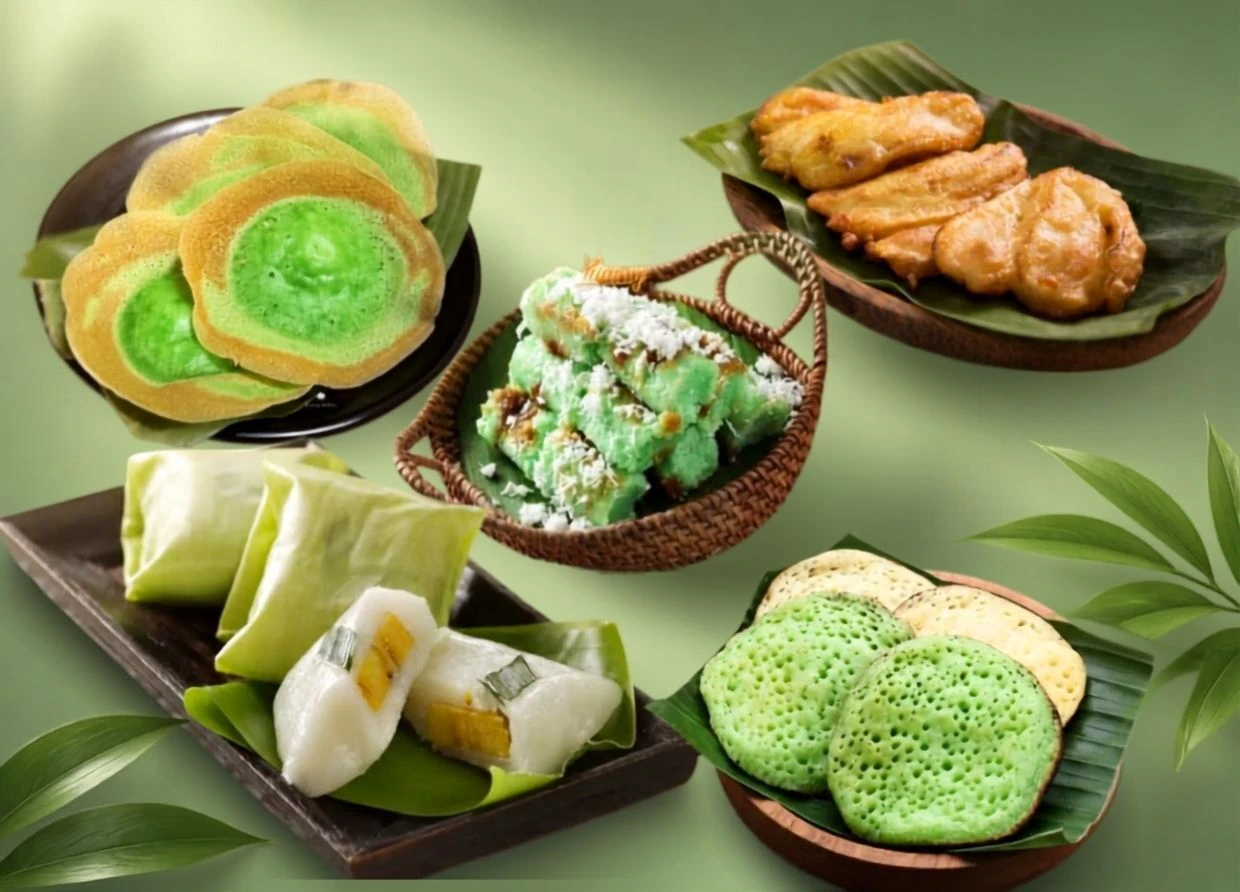
The list was shared by Instagram account @yummy.idn, citing IDN Times as the source, and it reads like a highlight reel of every neighborhood jajanan stall in the country. Pisang goreng leads the pack fried banana that shows up in regional versions like Bali's godoh biu and Java's gedhang goreng, served plain, with chocolate, or with ice cream. Odading, Bandung's pillowy fried dough, follows close behind as the unofficial best friend of a hot cup of tea.
Then it gets more specific. Serabi, a rice-flour and coconut-milk pancake, can go sweet or savory and is often served with kinca, a palm sugar syrup. Kue putu glutinous rice flour, palm sugar, and pandan, steamed and topped with grated coconut has a smell that hits you from two stalls away, thanks to the bamboo tubes it's traditionally steamed in. Kue ape, a Jakarta classic, has a crisp lacy edge and a thick, soft center that makes it instantly recognizable on any street corner.
Getuk brings texture into the conversation: mashed cassava mixed with sugar and food coloring, split into two camps the soft getuk lindri and the chewier getuk uli. Closing the list is nagasari, a banana-filled rice cake steamed in banana leaf, where the leaf isn't just packaging it's what gives the snack its signature aroma.
Here's the detail worth sharing: most of these snacks were never designed to be "gourmet." They were built for five-minute breaks between errands, sold from carts, baskets, and folding tables. TasteAtlas putting them on a global list doesn't change what they are it just means the rest of the world is finally catching up to what Indonesian street vendors have known for decades.
That's the real story here. This isn't fine dining reinventing tradition it's tradition getting recognized exactly as it is: cheap, unpretentious, and better than anything wrapped in a hotel breakfast buffet's foil tray.