
AN AMBASSADOR ASKED INDONESIA'S TOP COMPOSER TO SET URUGUAYAN POETRY TO MUSIC. HE'D NEVER HEARD THE POET'S NAME BEFORE.
Ananda Sukarlan just premiered a new song cycle commissioned by Uruguay's embassy in Jakarta here's the story behind "Three Uruguayan Poems."
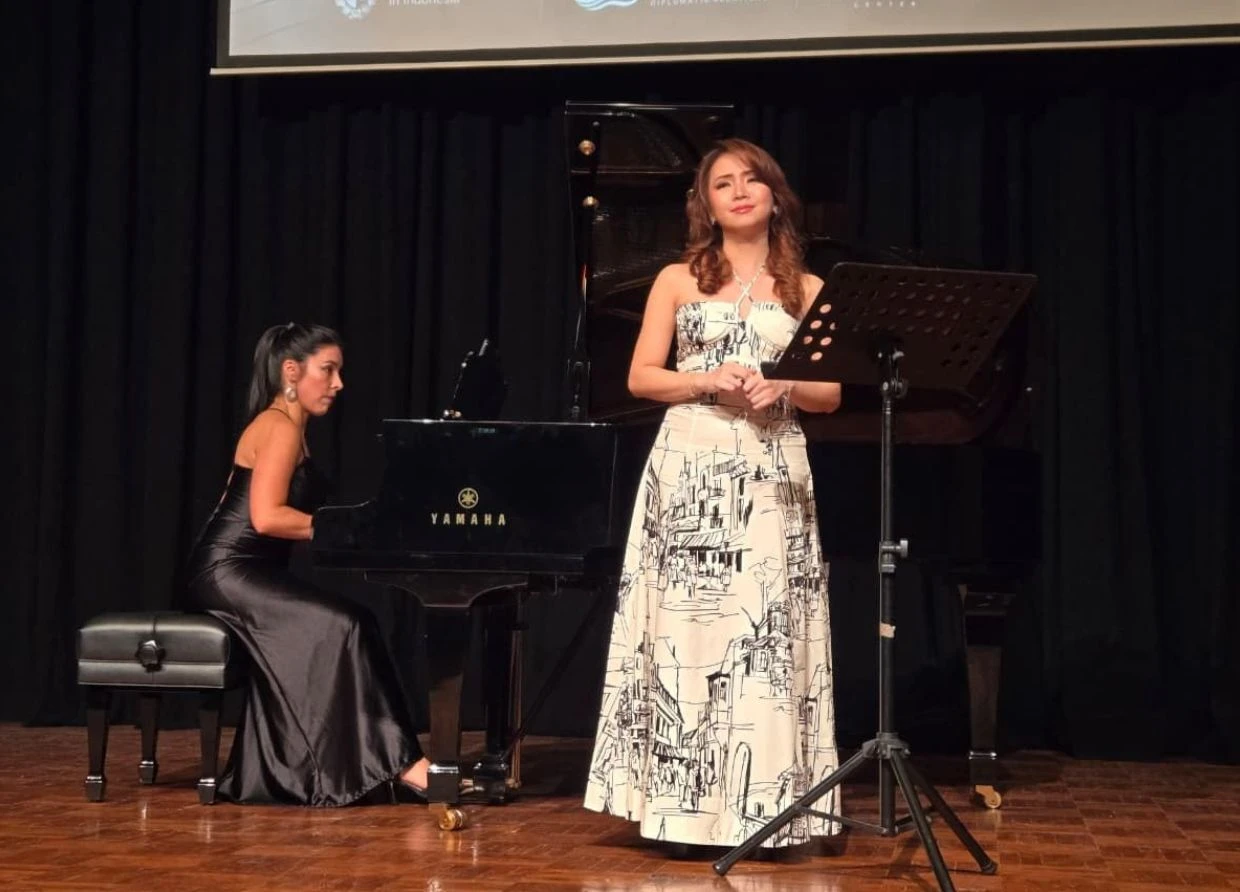



Ananda Sukarlan didn't know who Juana de Ibarbourou was six months ago. Now he's written music for her poetry, and it just premiered in a Jakarta concert hall with a Uruguayan ambassador in the audience.
At a glance:
- Aug 14–21, 2026: Uruguayan pianist Mariana Airaudo's Indonesia tour, from landing in Jakarta to her closing concert
- 3 days: Length of her masterclass for piano students at Institut Seni Indonesia (ISI), Yogyakarta
- 9 composers featured across both concerts, including one world premiere
- 2 competition dates: Kompetisi Piano Nusantara Plus runs October 10 in Yogyakarta and October 25 in Salatiga
Here's the who-what-where-when: at the invitation of the Embassy of Uruguay in Jakarta, pianist Mariana Airaudo toured Indonesia from August 14 to 21, 2026, teaching at ISI Yogyakarta and performing at the Auditorium of Gedung Yamaha Music Center in Jakarta alongside rising Indonesian soprano Ratnaganadi Paramita, winner of the Ananda Sukarlan Award 2025. The centerpiece was a world premiere by Ananda Sukarlan, Indonesia's best-known classical composer, commissioned specifically for the occasion.
What Did Mariana Airaudo Actually Play?
Airaudo built her Jakarta and Yogyakarta programs around Uruguayan music history: works by Beatriz Lockhart, César Cortinas, Eduardo Fabini, Carlos Giucci, and Gerardo Matos Rodríguez, composers who span the late 1800s through the mid-20th century. She balanced that with two living Uruguayan composers, Agustín Urbina and Carlos Weiske, and closed with Astor Piazzolla, the Argentine whose tango-infused sound is arguably South America's most recognizable classical export.
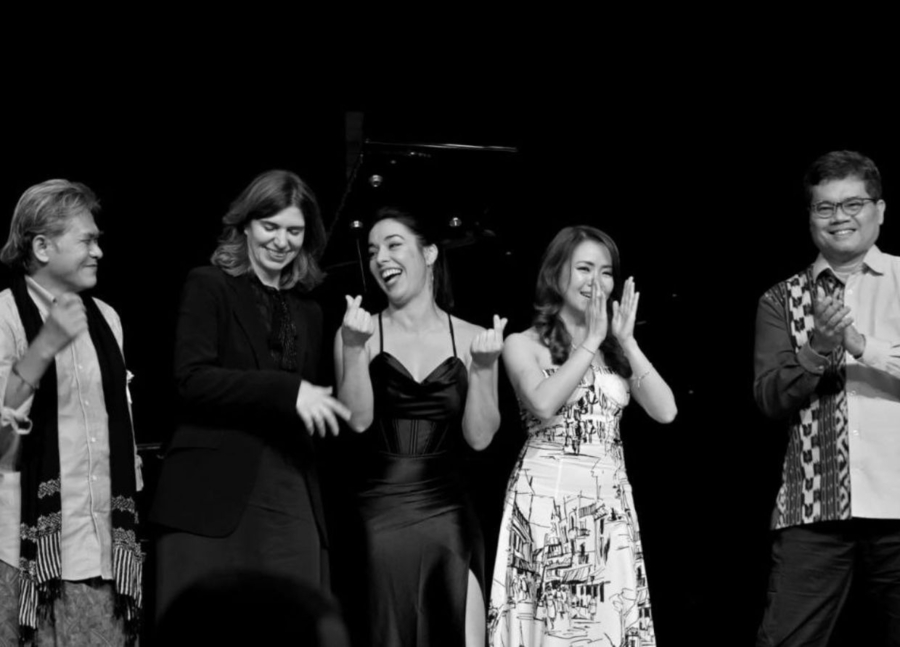
Credit : Thesmedia Publicrelation
Why Did Uruguay Commission an Indonesia Composer?
The idea came from Uruguay's Ambassador to Indonesia, Cristina Gonzalez, who asked Ananda Sukarlan to write something new for Airaudo's visit and gave him full artistic freedom. Sukarlan, a longtime admirer of Uruguayan writer Mario Benedetti, pitched setting Benedetti's poetry to music. Airaudo then introduced him to a second poet, Juana de Ibarbourou, whose work he had never encountered.
He picked two of her poems, "Angustia" and "Te Doy Mi Alma Desnuda," plus one by Benedetti, "Hombre que Mira Su País desde el Exilio." Together they became a new song cycle, "Three Uruguayan Poems," sung by Ratnaganadi Paramita his first time ever composing to Uruguayan Spanish, which he notes carries its own dialect quirks distinct from the Spanish he's used before.
"I felt that man was me. So the music that came out of that poem was born very naturally, very organically, in my head." Ananda Sukarlan, on setting Benedetti's exile poem to music
The cultural exchange ran both directions. Airaudo also performed Sukarlan's older Indonesian-language piece "Sepanjang Prawirotaman," based on a poem by Kurnia Effendi about a well-loved Yogyakarta neighborhood, joined by ISI vocal students Monica Cintia Christy and Mathilda Ave Mariyorie.
Sukarlan himself couldn't make the ISI concert; pianist and teacher Rachel Nadia, his longtime Yogyakarta collaborator, accepted flowers from Ambassador Gonzalez on his behalf. He'll visit her studio in September, ahead of Kompetisi Piano Nusantara Plus in October.
Who Is Ananda Sukarlan, Exactly?
He's lived in Spain since 1998, immersed in Hispanic literature and music which is exactly how he ended up pioneering "tembang puitik," his Indonesian term for art song, where a composer sets an existing poem to music. The Sydney Morning Herald called him one of the world's leading pianists at the forefront of championing new piano music. He's also collected two of the highest civilian honors two countries can give an outsider: knighthood in Italy's Cavaliere Ordine della Stella d'Italia from President Sergio Mattarella, and Spain's Real Orden de Isabel la Catolica from King Felipe VI.
The counterintuitive part: in 2000, he became the first Indonesian artist to perform in Portugal after the two countries restored diplomatic ties meaning his career has quietly been doing this exact kind of cultural bridge-building for over two decades before Uruguay came calling.
Frequently Asked Questions














RELATED POSTS