FIVE RUPIAH, FIVE BITES: THE JAJANAN PASAR EVERY INDONESIAN GREW UP ON
Traditional Indonesian snacks like klepon, lemper, and martabak manis still rule the market stalls. Here's what to know before your next jajanan pasar run.




At a Glance
- 5 iconic jajanan pasar: pisang goreng, martabak manis, onde-onde, lemper, klepon
- Typical price: Rp 2,000–15,000 per piece, depending on the vendor
- Klepon's signature "burst" comes from liquid gula jawa (palm sugar) hidden inside
- Best hunting hours: 6–9 AM, when vendors set up near traditional markets (pasar tradisional)
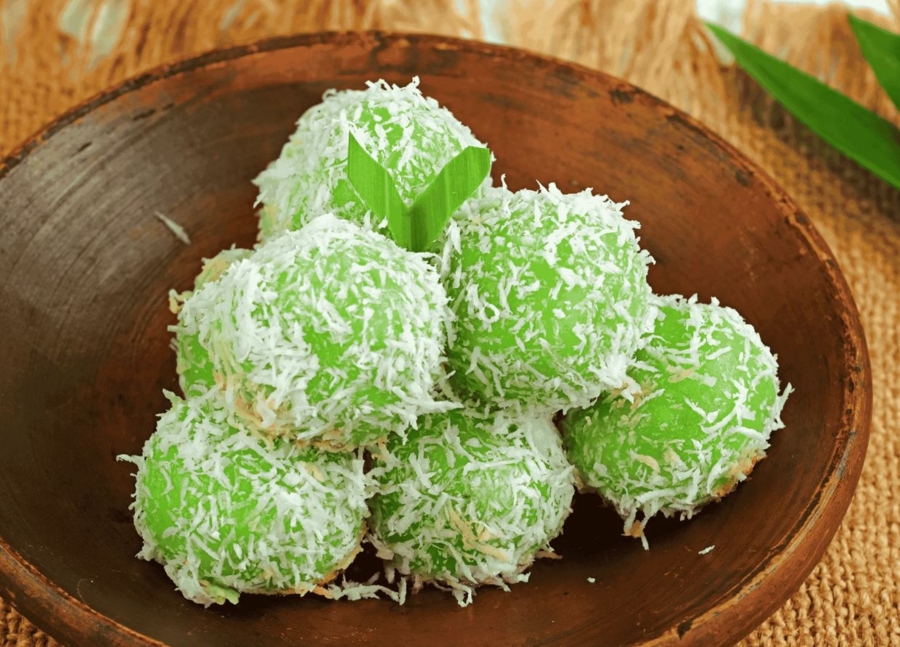
Credit : Foto By Demhaj Junior
Bite into a klepon too fast and you'll regret it. The little green ball looks harmless just glutinous rice dusted in shredded coconut until a hit of molten palm sugar syrup escapes straight onto your shirt. That's not a design flaw. That's the entire point.
Klepon is the kind of sweet that surprises you. What looks like a simple green ball dusted with coconut turns out to be warm, chewy, and filled with liquid palm sugar. One bite and it bursts gently, coating your mouth with rich sweetness.
Found across Indonesia’s markets and village kitchens, Klepon is a favourite among both the young and old. It is commonly tucked into banana leaf packets, sold at roadside stalls, or made fresh for afternoon tea with family.
Though it may be small and humble, Klepon holds its own against more elaborate desserts. Its appeal lies in the texture, the contrast of flavours, and that soft explosion of syrup that makes every bite worth slowing down for.
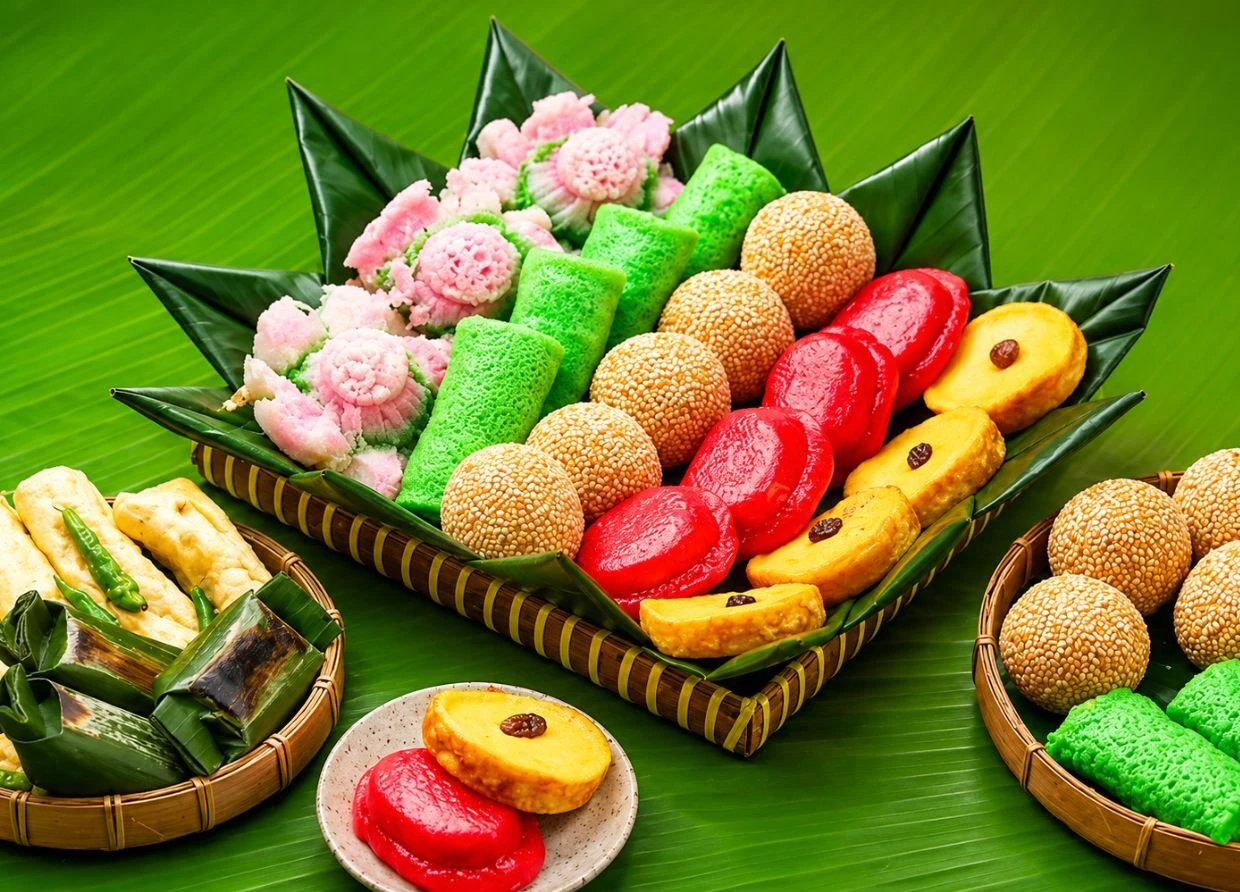
This is jajanan pasar: the traditional snacks sold at markets, roadside carts, and neighborhood stalls all over Indonesia. No menu, no seating, no Instagram lighting. Just a glass case, a handwritten price list, and something new to try every morning.
What is jajanan pasar, exactly?
It's the umbrella term for Indonesia's traditional market snacks small, affordable bites usually made from rice flour, coconut, banana, or glutinous rice, sold fresh each morning at pasar tradisional (traditional wet markets) across cities like Jakarta, Yogyakarta, and Surabaya. Prices generally run from Rp 2,000 to Rp 15,000 per piece, and most vendors sell out by mid-morning because nothing is made to last past lunch.
Five names come up again and again for first-timers: pisang goreng (fried banana fritters), martabak manis (a thick, folded pancake stuffed with chocolate, cheese, or peanuts), onde-onde (sesame-crusted balls with a sweet mung bean filling), lemper (sticky rice rolled around shredded chicken, wrapped in banana leaf), and klepon (that palm sugar surprise mentioned above).
How much does jajanan pasar cost? A single piece of klepon or onde-onde typically costs Rp 2,000–5,000. Martabak manis, sold as a full pancake meant for sharing, runs Rp 25,000–70,000 depending on toppings and size. Lemper sits around Rp 5,000–8,000 per roll. For under Rp 50,000, you can sample all five without denting your wallet.
Why do these snacks still matter in 2026? Because they've survived everything colonization, industrialization, the rise of convenience stores, and now, the algorithm. A recent Instagram post from travel account @peretreats_ captured exactly why: the author described picking a new, unidentifiable snack every morning during a trip to Indonesia, calling it one of the best ways to "get amongst it" while traveling.
"A bit of pointing. A few Bahasa words. Plenty of smiling. And something new to taste on the walk home," the post read a description that nails the actual ritual of buying jajanan pasar better than most guidebooks do.
Where can you find the best jajanan pasar? Pasar Beringharjo in Yogyakarta and Pasar Santa in Jakarta are reliable starting points, packed with vendors who've sold the same recipes for decades. The smell hits before the stall does toasted coconut, caramelized banana, and the faint sweetness of steaming rice flour.
The counterintuitive part: many of these snacks are technically Chinese-Indonesian hybrids. Martabak manis traces back to Chinese immigrant cooks in the early 20th century who adapted the savory martabak into a sweet, foldable version now considered a fully Indonesian classic, no asterisk needed.
For 25-to-45-year-old professionals raised on these snacks, jajanan pasar isn't nostalgia marketing. It's breakfast, still, for millions of people every single day.