10 TRADITIONAL INDONESIAN FOOD PRESERVATION METHODS
Before fridges, Indonesians relied on salt, smoke, and fermentation. Discover 10 traditional Indonesian food preservation methods still eaten today.
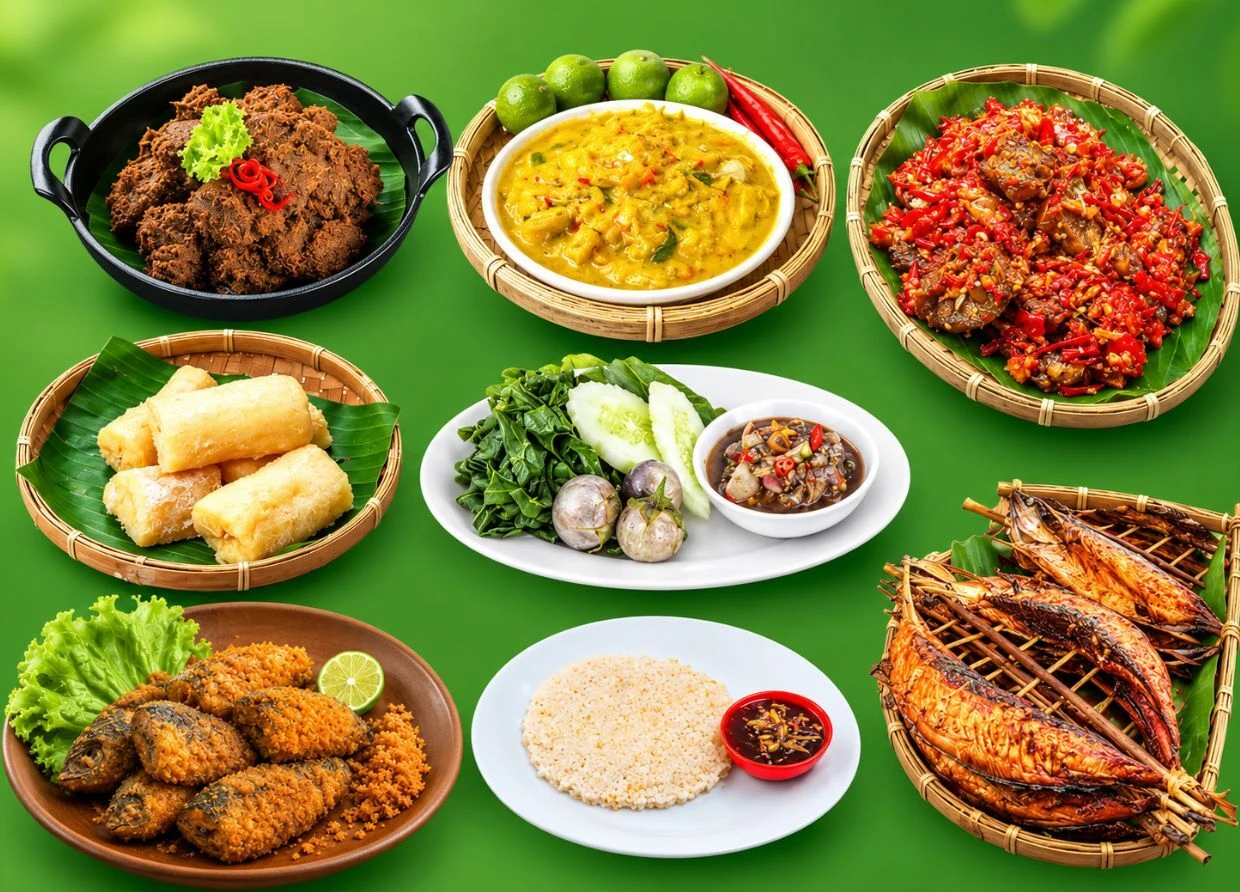





Open a jar of rusip in Bangka and the smell hits before the lid is even off sour, briny, a little funky, like the sea fermented in a bottle. That's the point. Long before refrigerators reached Indonesian kitchens, communities across the archipelago had already solved the problem of spoilage using salt, smoke, sun, and time.
At a glance
- 10 traditional preservation techniques documented across Indonesia, from Sumatra to Papua
- 3–7 days: typical fermentation window for dishes like wadi and tempoyak
- 12.68%: the moisture content researchers recorded in sagu lempeng, low enough to extend its shelf life significantly
- Weeks: how long properly dried rendang can last without refrigeration, making it a travel food for Minangkabau merantau journeys
View this post on Instagram
What is traditional Indonesian food preservation?
Traditional Indonesian food preservation refers to techniques fermenting, smoking, salting, and sun-drying that communities across the archipelago developed before modern refrigeration to keep fish, meat, cassava, and durian edible for weeks or months. These methods emerged regionally: Bangka Belitung fishing communities made rusip from surplus fish, Minangkabau travelers dried beef into dendeng and rendang for long journeys, and Dayak Ngaju and Banjar communities in Kalimantan fermented freshwater fish into wadi as a protein reserve during lean planting seasons. Many of these dishes, once purely practical, are now regional culinary icons and souvenirs sold well beyond their home provinces.
Why did these techniques develop in the first place?
Every method traces back to a specific local problem. In Bangka, where fishing is a major livelihood, rusip was made when catches were high and prices dropped a way to stop good fish from going to waste. Along the Kampar River in Riau, Malay communities turned pangasius into ikan salai, smoking it over heat until the flesh turned deep brown. In North Sulawesi, cakalang fufu does something similar with skipjack tuna, split open, stretched with bamboo, and smoked until the flesh firms up and turns reddish.
Dry-land regions solved the problem differently. In Gunung Kidul, Yogyakarta, where cassava grows better than rice in the dry soil, farmers ferment it into gatot, a dish that turns dark brown to black as it develops. In Bandung, the same crop becomes peuyeum, steamed cassava fermented until it turns soft and sweet-sour. In Maluku and Papua, sago starch is baked in clay molds into sagu lempeng, reducing moisture so it can be stored long after the sago itself would have spoiled.
How is meat preserved without refrigeration?
Minangkabau cooks solved this with two techniques that are now Indonesia's most internationally famous dishes. Dendeng is beef sliced thin, seasoned with salt and sugar, then sun-dried or fried until dry enough to carry on journeys lasting days or weeks. Rendang goes further: beef slow-cooked in coconut milk and spices garlic, turmeric, ginger, galangal until the liquid evaporates and coconut oil coats the meat, inhibiting microorganisms and extending shelf life to weeks.
"These weren't recipes invented for flavor first they were survival math. The flavor came later, as people refined what already worked." a common line among Indonesian food heritage researchers describing dishes like dendeng and rendang.
What about fruit? Can durian even be preserved?
Yes and it's one of the more surprising entries on this list. Tempoyak is fermented durian flesh mixed with salt, popular among Malay communities in Sumatra and West Kalimantan. Overripe or lower-quality durian gets sealed in a container for 3 to 7 days while lactic acid bacteria convert its sugars, producing a sour paste used in dishes like gulai ikan patin pahang. It's proof that fermentation in Indonesia isn't limited to fish or cassava even a fruit famous for its short shelf life found a second life through salt and time.