THREE DAYS, THIRTY ARTISTS, ONE UNESCO TEMPLE: PRAMBANAN JAZZ 2026 IS BACK
The festival that turns an 8th-century Hindu temple into Southeast Asia's most dramatic concert stage returns July 3–5.
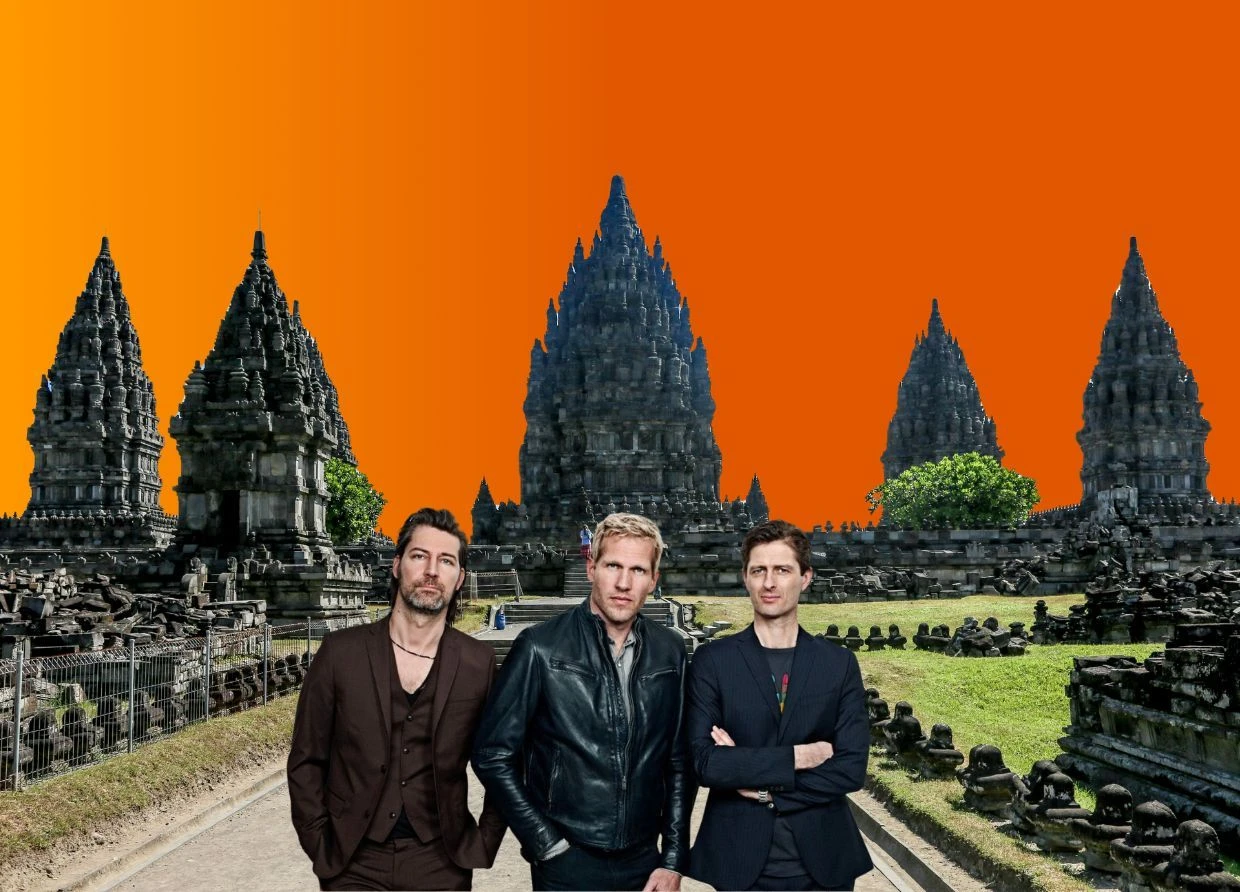



Before dawn fully breaks over Yogyakarta, the silhouette of Candi Prambanan is already lit. By evening on July 3rd, 2026, it will be the backdrop for something more complicated than a concert — and more memorable than either art alone.
What Is Prambanan Jazz Festival ?
Prambanan Jazz Festival is an annual international music event held at the Prambanan Temple compound in Yogyakarta, Indonesia — a UNESCO World Heritage Site dating to the 9th century. Now in its 12th edition, the festival runs July 3–5, 2026, and features a cross-genre lineup of Indonesian and international artists performing against the lit towers of the Trimurti temples. Tickets and full packages are available through the official Rajawali Indonesia channels.
Who's Performing in 2026?
The Phase 1 lineup balances nostalgia, prestige, and surprise. Danish pop-rock veterans Michael Learns to Rock headline the international slots — a band that sold millions of records across Asia in the 1990s and still fills arenas in the region. South Korean rock band Xdinary Heroes makes their return to the international stage after going quiet through 2025, landing in Indonesia for what will likely be one of the most charged nights of the festival. Jazz prodigy Joey Alexander, born in Bali and now based in New York, rounds out the global names.
On the domestic side, the roster reads like a greatest-hits archive of Indonesian music: Kahitna, Tulus, KLA Project, Ari Lasso, Maliq & D'Essentials, Letto, Barasuara, Mocca, and rising names like Salma Salsabil and Lomba Sihir. The theme is "Celebrate the Joy" — and the lineup earns it.
Why Does the Venue Actually Matter?
This is the counterintuitive thing about Prambanan Jazz: the music is not the only act. The Prambanan Temple complex — built in 850 CE and dedicated to the Hindu Trimurti — creates a visual and acoustic atmosphere no purpose-built festival ground can replicate. When the stone towers glow amber under stage lighting and a saxophone line drifts into the night air, it becomes difficult to separate the sacred from the sonic. That collision is the whole point.
The festival has quietly built a reputation as one of Southeast Asia's most prestigious music events precisely because the venue does so much of the emotional work. You are not simply watching a band. You are sitting inside a millennium of history while it plays back to you.
What Should You Know Before You Go?
The festival is held outdoors, and Yogyakarta in early July sits at the tail end of the dry season — warm days, cooler evenings once the sun drops behind the temples. Dress in layers. The gates typically open well before the first act, and arriving early rewards you with an unobstructed view of the temple complex before the crowd fills in. Accommodation books fast: Yogyakarta's hotel options near the Prambanan corridor sell out quickly once full lineups are announced, particularly around Kalasan and Berbah.