THE NEW TRAVEL TREND: PAY TO LIVE LIKE A LOCAL IN INDONESIA
Cultural immersion is 2026's biggest travel shift. Indonesia — home to 1,300+ ethnic groups and thriving village life — is leading the way.
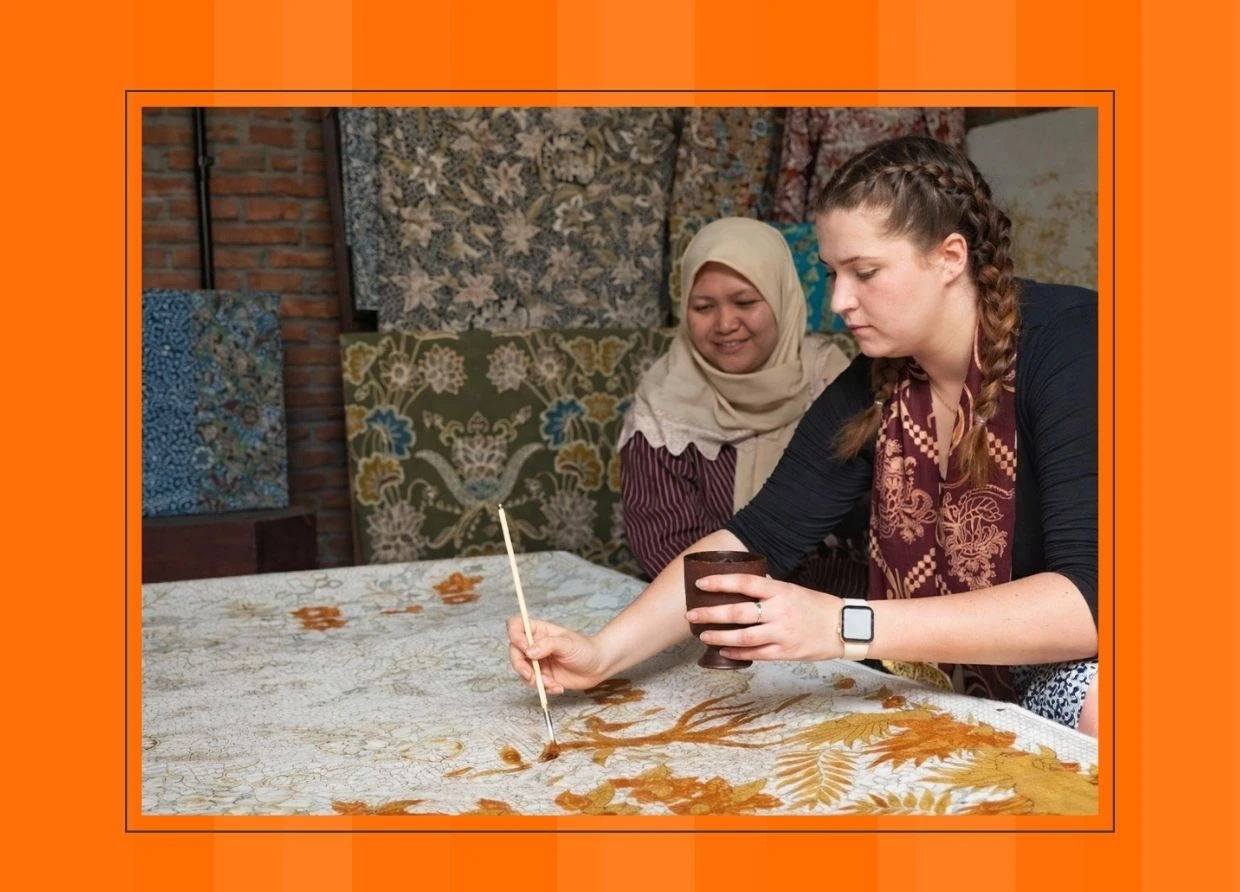



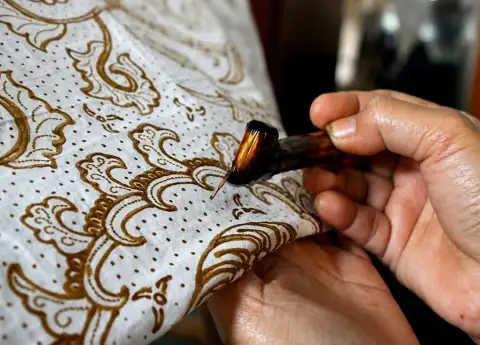
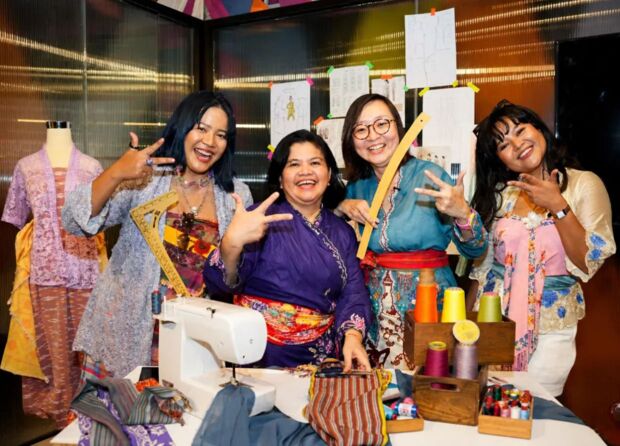
Picture this: instead of queuing for a temple selfie, you're cross-legged on a bamboo mat, learning to weave batik from an 70-year-old grandmother in Central Java — and she's teaching you the pattern her mother taught her. That's not a hotel activity. That's cultural immersion. And in 2026, it's the fastest-growing segment in global travel.
What Is Cultural Immersion Tourism, Exactly?
Cultural immersion tourism is a travel approach where visitors actively participate in local life — not just observe it. This means staying with host families, joining village rituals, learning regional crafts or cooking, and building real conversations in a local language. The Hilton Trends Report 2026 identifies it as a defining shift, particularly among travellers from Saudi Arabia and the UAE, where 65% now attempt to learn phrases of the local language before landing — purely to connect more deeply.
The trend is driven by a fundamental shift in what people want from a trip: not a destination, but a meaning. Travellers are moving away from "popular hotspots" toward what the Kementerian Pariwisata RI (Indonesia's Ministry of Tourism) describes as the search for "the meaning of a journey."
Why Is This Trend Growing So Fast?
The counterintuitive truth? The rise of social media didn't make people want to see more landmarks — it made them crave what can't be captured in a reel. A cooking lesson with a Balinese grandmother smells like turmeric and coconut oil, sounds like a language you're trying to parse, and ends with a meal you made with your own hands. No filter replicates that.
Add to that a post-pandemic recalibration of values: time feels finite, and generic tourism feels hollow. A 2026 report from Hilton confirms that high-intent travellers — especially from the Middle East — are actively prioritising authentic cultural experiences over luxury amenities alone.
What Are the Main Forms of Cultural Immersion?
According to Kemenpar.ri's breakdown, cultural immersion takes six core shapes in the Indonesian context.
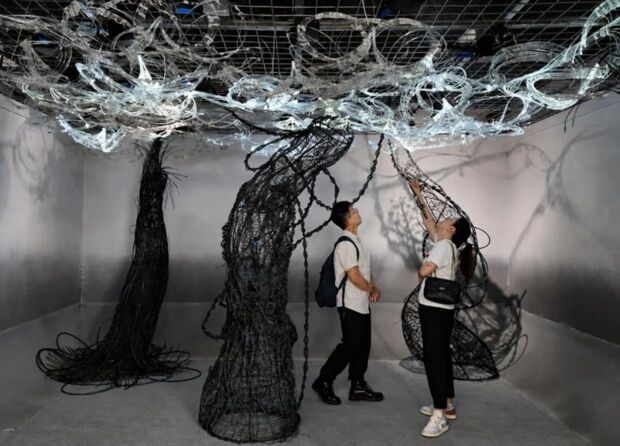
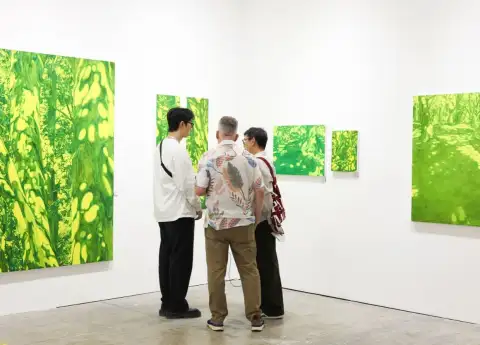
The last point is where things get interesting. Cultural immersion is no longer limited to rural desa wisata (tourism villages). It's expanding into urban creative spaces and high-profile events. Kalangan Widya Mahardika V, hosted by ISI Bali (Institut Seni Indonesia Bali), is one example — a multi-disciplinary event combining collaborative art performances, contemporary exhibitions, and live interaction between visitors and artists.
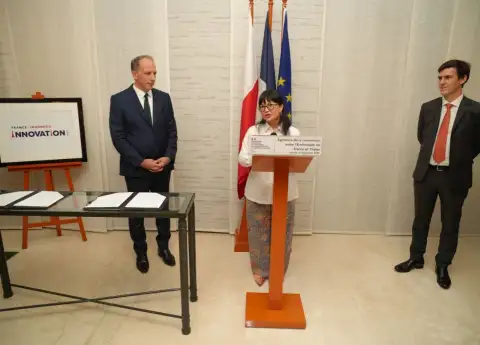
"This trend shows that tourists — especially international ones — are increasingly placing social interaction and cross-cultural learning as a core part of their travel experience. Creative spaces that bring culture to life are becoming more critical in strengthening a destination's appeal."
Widiyanti Putri Wardhana, Minister of Tourism of the Republic of Indonesia
Why Indonesia Is the Most Underrated Cultural Immersion Destination
Indonesia isn't just culturally rich — it's culturally alive. With over 1,300 ethnic groups, hundreds of distinct languages, and a village tourism ecosystem that stretches from Flores to Kalimantan, the country offers immersion experiences that most destinations simply cannot match in variety or depth. A traveller can spend one week weaving ikat in Sumba, and the next week learning gamelan in Yogyakarta — two completely different cultural worlds, three hours apart by plane.
Kemenpar.ri's own framing is direct: Indonesia holds "an extraordinary draw through cultural diversity, tourism villages, and creative venue performances." The infrastructure is there. The question now is whether the storytelling can match the product.