NO NA VS ASIAN GIRL GROUPS: WHAT MAKES THEM DIFFERENT?
Explore the differences between NO NA and other Asian girl groups, from musical style and global strategy to cultural identity in the modern pop industry.
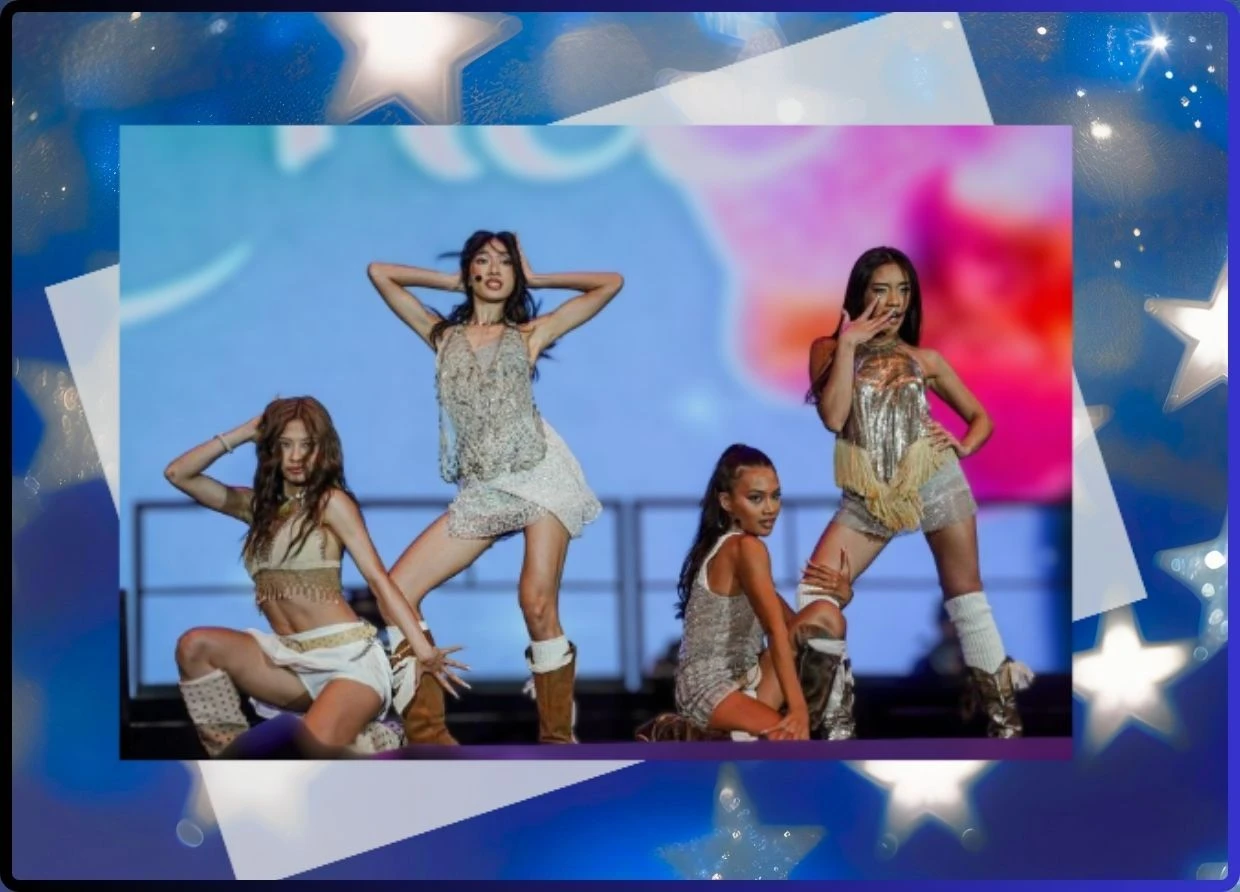




In recent years, the global music industry has seen a rapid expansion of Asian pop culture beyond its traditional markets. While K-pop has long dominated the international stage, new groups are emerging with different concepts, production styles, and global strategies. One of the most discussed names among fans is NO NA, a girl group that has sparked debates among international audiences about how it compares to established Asian girl groups.
The comparison between NO NA and other Asian girl groups is not simply about music. It reflects a broader shift in how entertainment companies approach global audiences, cultural identity, and digital fandom. Understanding what makes NO NA different requires looking at how modern girl groups are created, promoted, and received in the global pop ecosystem.
The Traditional Formula of Asian Girl Groups
For more than a decade, the Asian girl group industry has been heavily shaped by the influence of the K-pop system. Entertainment companies in South Korea developed a highly structured training and production model that focuses on synchronized performances, strong visual concepts, and carefully crafted group identities.
Groups such as BLACKPINK, TWICE, and Girls' Generation are examples of this system’s success. Members usually undergo years of training before debuting, learning singing, dancing, media communication, and language skills. The result is a highly polished performance style that has helped K-pop dominate global charts.
Another important element of traditional Asian girl groups is their strong fandom culture. Fans often support their favorite groups through organized streaming campaigns, voting events, and global fan communities. Social media platforms such as TikTok, YouTube, and X (formerly Twitter) play a crucial role in expanding these fandoms across international borders.
This formula has proven extremely effective, but it also creates expectations about how a girl group should look, perform, and interact with fans.
The Concept Behind NO NA
NO NA represents a slightly different approach to the girl group model. Rather than following the traditional K-pop structure entirely, the group emphasizes a more global pop identity. Their concept focuses on cross-cultural appeal, modern storytelling, and a production style that blends multiple musical influences.
Unlike many Asian groups that debut primarily in one country before expanding globally, NO NA appears to target an international audience from the start. This approach reflects a broader trend in the entertainment industry where companies aim to create “global groups” designed to resonate with listeners across different regions.
Musically, groups like NO NA often experiment with diverse genres, incorporating elements of pop, electronic music, R&B, and sometimes regional sounds. This strategy makes their music accessible to audiences who may not be familiar with traditional Asian pop styles.
The visual concept is also different in many cases. Instead of strictly following the synchronized choreography and highly structured performance styles typical in K-pop, newer global groups may emphasize individuality among members, allowing each performer to build a distinct personal identity.
Cultural Identity and Representation
Another key difference lies in cultural representation. Traditional Asian girl groups are usually closely tied to their country of origin. K-pop groups represent South Korean pop culture, while Japanese idol groups reflect the unique style of J-pop.
However, global groups like NO NA often present themselves as multicultural projects. Members may come from different countries, speak multiple languages, and promote themselves in various international markets simultaneously.
This strategy allows them to connect with a broader audience but also raises questions about cultural authenticity. Fans sometimes debate whether global groups lose part of their cultural identity when they are designed primarily for international appeal.
Such discussions are common in online communities where fans compare different groups and analyze how entertainment companies balance cultural roots with global marketing strategies.
The Role of Social Media and Digital Fandom
The rise of digital platforms has significantly changed how fans interact with girl groups. Online communities can quickly turn comparisons between artists into large-scale discussions that spread across borders.
When new groups like NO NA emerge, comparisons with established acts are inevitable. Fans analyze music videos, performances, styling, and promotional strategies to determine how the group fits within the broader Asian pop landscape.
At the same time, social media algorithms often amplify these debates, turning small fan discussions into global conversations. While this can increase a group’s visibility, it can also create unnecessary competition between fandoms.
In reality, the diversity of girl groups is what makes the modern pop industry so dynamic. Each group contributes a different perspective, sound, and cultural influence to the global music scene.
The Future of Asian Girl Groups
The emergence of groups like NO NA suggests that the Asian pop industry is entering a new phase of globalization. Instead of focusing solely on regional success, many entertainment companies now aim to create artists who can thrive in multiple markets simultaneously.
This shift does not mean traditional girl groups will disappear. Established systems like K-pop continue to produce globally successful artists and maintain loyal fanbases worldwide.
However, the growing presence of hybrid and multicultural groups shows that the industry is evolving. The future of Asian girl groups may involve a combination of traditional training systems, global collaborations, and digital-first marketing strategies.
Ultimately, the differences between NO NA and other Asian girl groups highlight how pop music continues to adapt to an increasingly connected world.
#NO NA girl group #Asian girl groups #K-pop comparison #Global pop groups #Asian pop culture #Girl group industry #Music fandom culture #Global entertainment trends