PERESEAN: THE LOMBOK DUEL WHERE GETTING HIT IS THE POINT
Peresean is Lombok's centuries-old Sasak stick-and-shield duel. Here's how the ritual works, why it's fought, and where to see it.


Two men, rattan sticks, buffalo-hide shields, and a fight that's older than most of Indonesia's borders here's what's actually happening at a Peresean match.
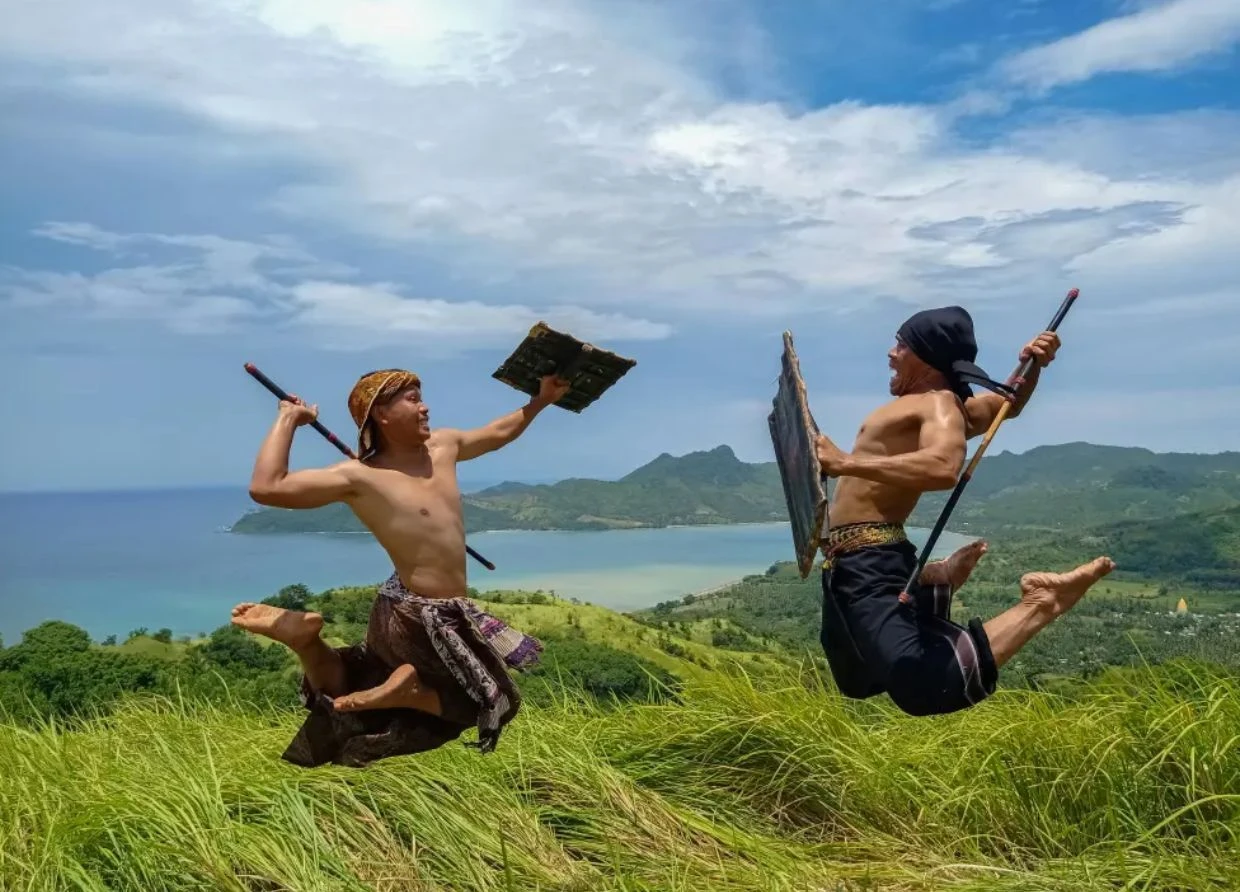
A red headband. A bamboo shield raised just in time. A crack of rattan against skin loud enough to hear over the gamelan. Nobody in the crowd flinches because in Lombok, this is how you celebrate.
Peresean is a centuries-old ritual duel practiced by the Sasak people of Lombok, West Nusa Tenggara. Two men, called pepadu, fight with rattan sticks (penjalin) and shields made of thick buffalo hide (ende), refereed by a pakembar. Matches run five rounds of three minutes each. Today you'll see it staged at cultural villages, harvest festivals, and increasingly Indonesian Independence Day celebrations on August 17th, where hotels and tour operators around Mataram now build entire itineraries around it.
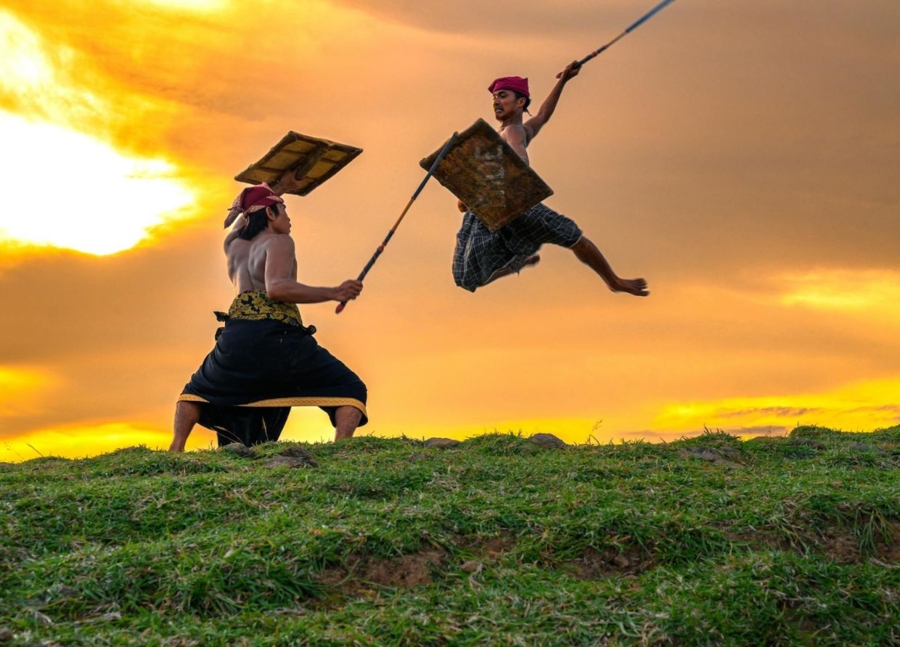
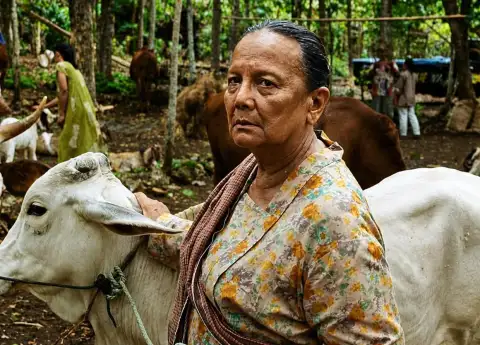
Credit : Daniel Lee on Pexels.com
What Is Peresean, Really?
Peresean started as more than a show. Historians trace it back to the 13th century, when it doubled as a rain-summoning ritual during dry season and as combat training for warriors under Lombok's old kingdoms. Some accounts say it began as begelepukan a way for kings and soldiers to release the adrenaline of battle after returning from war.
The belief was almost literal: more blood drawn in the ring, more rain expected in the fields. That's not folklore dressed up for tourists it's the actual origin story passed down by Sasak elders.
How Does a Peresean Match Actually Work?
Before a match, pepadu receive instructions and a blessing so the fight goes smoothly. The pakembar strikes the ende with a rattan stick to signal the start. Fighters may strike the head, shoulders, and back but never the legs or thighs. Each landed hit earns points, and a fighter loses if he bleeds, falls, or the pakembar calls it.
Throughout the match, a live ensemble of gamelan, gendang drums, suling flute, gong, and rincik keeps tempo musicians and locals believe the fast rhythm actually dulls the pain.
Why Do Sasak Fighters Still Do This?
Because Peresean was never really about winning. It's a stage for four things Sasak elders still teach through it: courage, sportsmanship, community, and the discipline of keeping a 700-year-old tradition alive rather than letting it fade into a museum display.
That last part matters more than it sounds. The Sasak population today numbers around 3 million, with roughly 2.5 million still living across Lombok and traditions like this survive because villages keep performing them, not because a government archive keeps them written down.
AT A GLANCE
- Origin: 13th century, Sasak Kingdom era
- Fighters: pepadu; referee: pakembar
- Match structure: 5 rounds × 3 minutes each
- Sasak population: ~3 million total, ~2.5 million in Lombok
Where Can You Watch Peresean in Lombok?
Cultural villages such as Sasak Ende stage regular performances for visitors, and larger public matches appear during harvest events like Bau Nyale and around August 17th celebrations. Many hotel groups in Mataram, including Hotel Santika Mataram, now feature it as part of their Independence Day programming for guests exploring Lombok beyond the beach.