ONLY 27 MADE IT. MEET INDONESIA'S NEXT CULTURAL GUARDIANS.
The final audition for Pagelaran Sabang-Merauke just crowned 27 young performers who will carry Indonesia's living heritage to a 20,000-seat stage in August 2026.
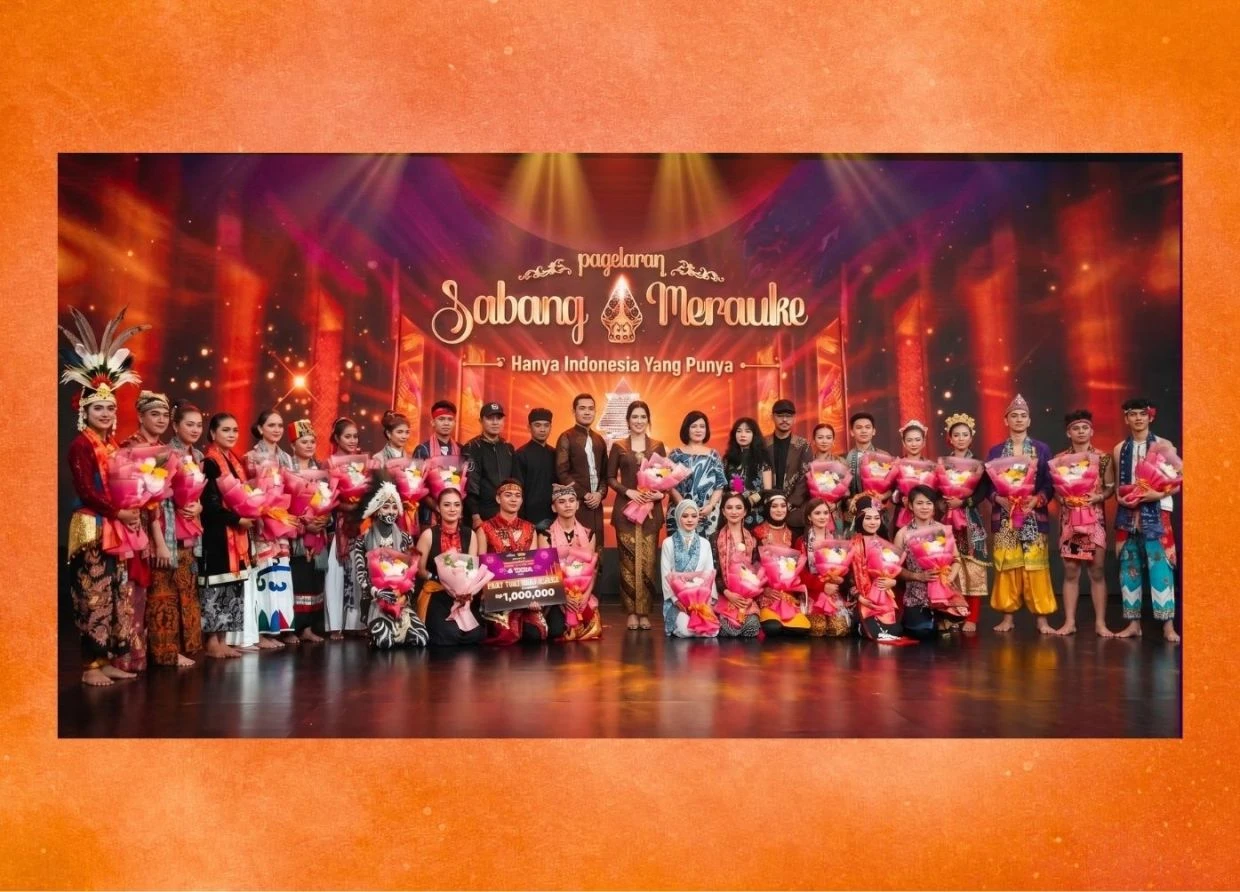




The noise at Grand Indonesia's Atrium Mall last weekend wasn't the usual weekend mall buzz. It was the sound of 50 performers giving everything they had — the rustle of traditional costumes, the sharp intake of breath before a move, the silence of a jury deciding who gets to represent a nation.
When the dust settled, 27 names were called. Out of 370 who auditioned across Indonesia, these are the young men and women who will headline Hikayat Srikandi Nusantara — the grand performance event of Pagelaran Sabang-Merauke, set for August 21–23, 2026 at Indonesia Arena, Senayan, Jakarta.
What Is Pagelaran Sabang-Merauke ?
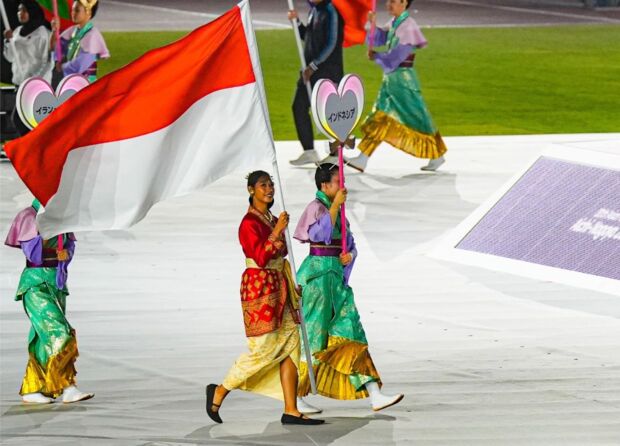
Pagelaran Sabang-Merauke is a large-scale national cultural performance showcasing Indonesia's traditional arts from Sabang (Aceh) to Merauke (Papua). The 2026 edition, titled Hikayat Srikandi Nusantara — "only Indonesia has this" — will be staged over three nights at Indonesia Arena, Senayan, Jakarta, from August 21 to 23, 2026. Entry is open to the public. The 27 selected performers will represent regions spanning Sumatra, Kalimantan, Java, and Papua.
How Was the Final Audition at Grand Indonesia Run?
The audition process was brutal by design. From 370 candidates screened nationwide, the pool was cut to 50 finalists who competed at Grand Indonesia's Atrium Mall. The jury then made their final cut — 27 slots, no exceptions.
Heading the jury was Pak Rus Memet, who noted that the selection was both a privilege and a weight. Every finalist, he emphasized, carried genuine potential. But the stage in August demands a specific kind of performer: technically sharp, emotionally present, and deeply rooted in their regional heritage.
What Happens to the 27 Winners Next?
Here's the part most people don't know: winning the audition is just the beginning. The 27 selected performers will immediately enter a three-month quarantine program in Yogyakarta — a concentrated immersion in their crafts, choreography, and stagecraft ahead of the August performances.
Yogyakarta is not a random choice. As one of Indonesia's deepest centers of classical Javanese arts — from kraton dance traditions to wayang — the city provides both the cultural environment and the institutional infrastructure to train performers at a national level. Think of it as a conservatory sprint, not a vacation.
For those who didn't make the cut, Pak Rus Memet's message was direct: don't stop. The field of traditional performing arts in Indonesia is vast, and the audition process itself — the discipline, the preparation, the exposure — already separates serious practitioners from casual ones.
The regional spread is striking: Sumatra dominates numerically — Sumatera Barat alone placed five performers — but provinces from Kalimantan Barat, Kalimantan Timur, Jawa Tengah, Jawa Barat, DKI Jakarta, Aceh, and Papua Tengah all have representation. This isn't coincidence. The audition was designed to mirror the full geographic breadth of the archipelago onstage.
What makes this especially significant is the venue: Indonesia Arena, Senayan seats around 17,000 to 20,000 people. This isn't a theater production. It's a stadium show built around traditional culture — a scale that most performing arts events in Indonesia have never attempted.