HIPDUT MUSIC: HOW DANGDUT BECAME GEN Z'S FAVORITE SOUND AGAIN
Hipdut mixes dangdut's kendang beat with hip-hop production. Here's how one 2024 single turned it into Indonesia's biggest Gen Z music trend.


At a Glance
- December 20, 2024: the day "Garam & Madu (Sakit Dadaku)" dropped and hipdut went mainstream
- 200+ million Spotify streams and 140+ million YouTube views for that one song
- November 19, 2025: Tenxi, Naykilla, and Jemsii took home Best of the Best Production Work at the AMI Awards in Jakarta
- 3 artists, one label AntiNRML behind the genre's biggest breakout
A teenager in Surabaya used to hide her dangdut playlist. Now she posts it on her TikTok bio.
That flip happened fast. For years, dangdut carried a stigma among young, urban Indonesians too "kampungan," too tied to street weddings and karaoke bars, not cool enough for a generation raised on hip-hop and K-pop. Then a genre called hipdut showed up and made liking dangdut feel like the coolest thing you could do.
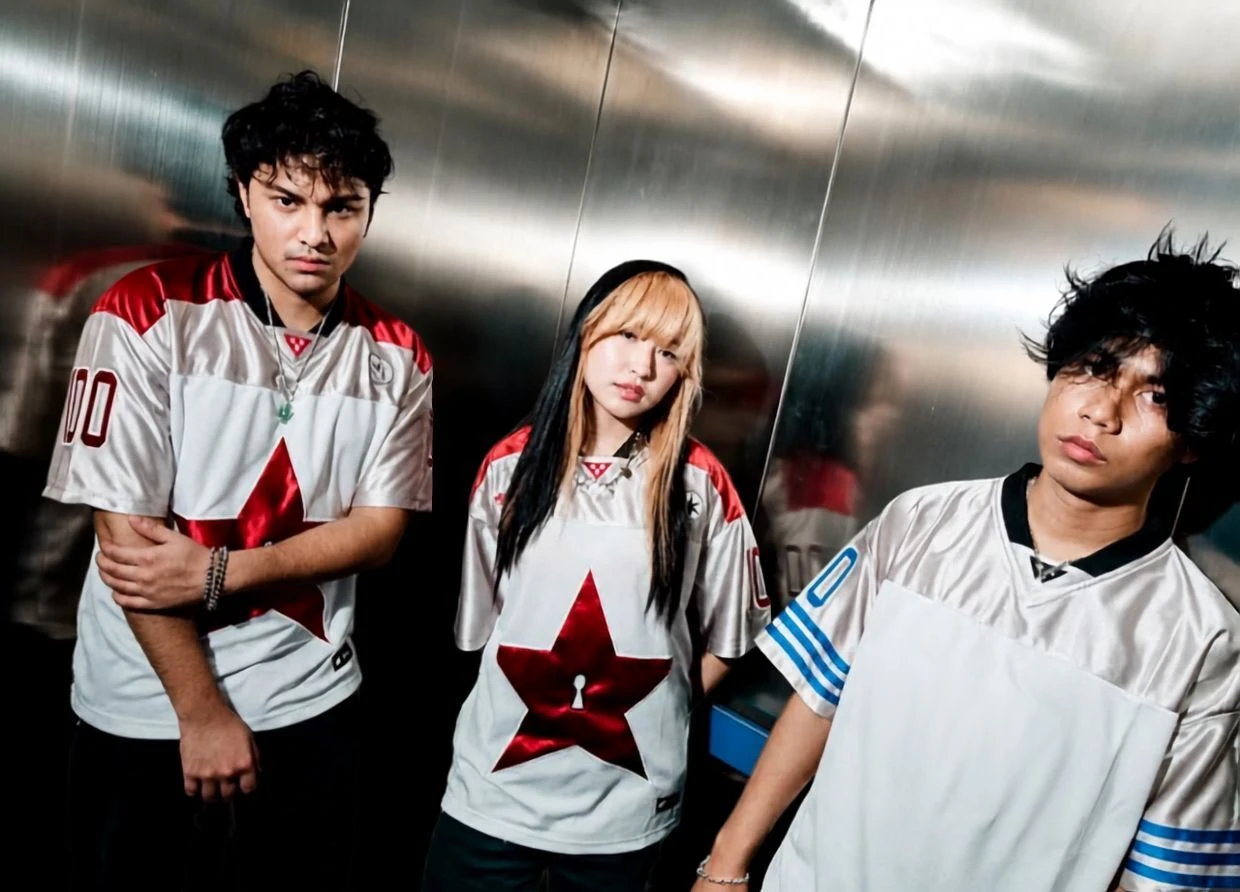
Hipdut music is exactly what it sounds like: hip-hop and dangdut fused into one genre. Trap beats, 808 bass, and rap verses sit on top of the kendang the hand drum that gives dangdut its signature rhythm. The result went from niche experiment to national trend starting December 20, 2024, when three young artists Tenxi, Naykilla, and Jemsii, all signed to the AntiNRML label released "Garam & Madu (Sakit Dadaku)" on YouTube. Within a year the song had racked up over 200 million Spotify streams and topped both the Spotify Top 50 Indonesia and Malaysia Top 40 charts. In November 2025, the trio won Best of the Best Production Work at the Anugerah Musik Indonesia (AMI) Awards in Jakarta the first hipdut track to win at Indonesia's biggest music awards show.
View this post on Instagram
What is hipdut, exactly?
Hipdut is short for "hip-hop dangdut." It layers modern production trap, electronic synths, occasionally English or Javanese lyrics over the kendang rhythm that defines Indonesian dangdut. The formula is deliberate: keep the beat recognizable enough that any Indonesian listener instantly knows "this is dangdut," while dressing it in sounds that feel current on TikTok and Instagram Reels.
Is hipdut actually new?
Not really. Rapper-comedian Saykoji and the Yogyakarta group NDX AKA, formed back in 2011, were blending rap and dangdut long before anyone called it "hipdut." What changed in 2024 is that the sound finally got a name, a scene, and a viral moment turning a decade-old experiment into an actual movement.
Naykilla, one-third of the trio behind "Garam & Madu," put it simply during a 2026 interview about the genre's rise, describing hipdut as proof that dangdut, musically, can still be enjoyed by Gen Z audiences, with no need to feel shy about it.
Why did it catch on so fast?
Short-form video did the heavy lifting. A simple, catchy hook over a trap-koplo beat is practically built for a 15-second TikTok clip. Add lyrics simple enough to lip-sync on the first listen, and you've got a genre engineered whether intentionally or not for the algorithm.
Who's driving the scene now?
Beyond the original trio, names like dia, Suisei, and the AntiNRML collective (led by producer 808Bunny) have kept releasing hipdut tracks, pushing the genre past its first viral hit and into an actual, sustained music movement. Naykilla followed up with her debut EP "Centyl" in October 2025, six tracks deep into the sound she helped define.
Hipdut's real trick isn't reinvention it's translation. The kendang stays untouched. Everything layered on top just makes it legible to a new generation.