
HEALING THROUGH HEADPHONES: THE SOUNDTRACK OF GEN Z
Discover how music, playlists, and relatable lyrics help Gen Z process emotions and find healing through headphones
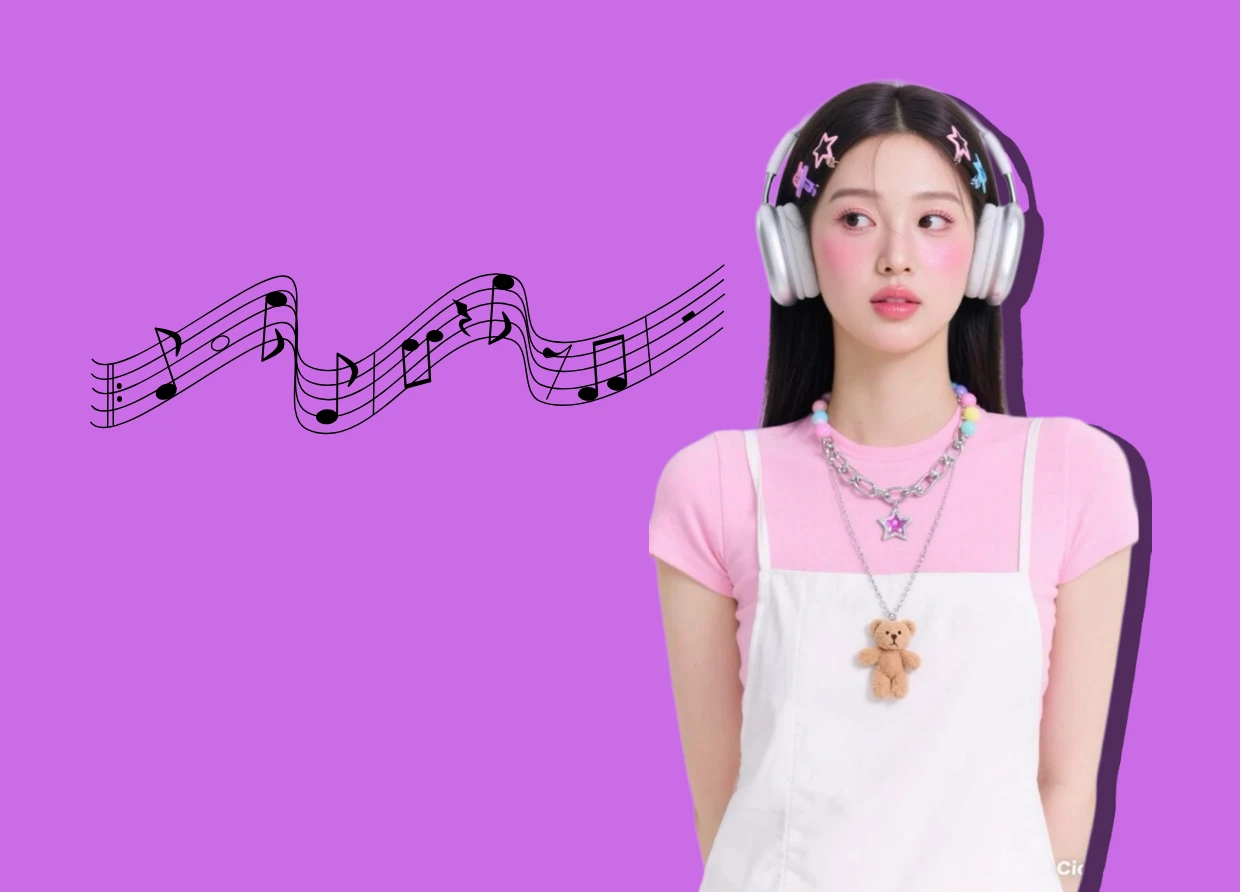





Headphones have become a personal sanctuary for this generation. Whether during long commutes, late-night study sessions, or moments of solitude, music accompanies many aspects of their daily lives. Platforms like Spotify and Apple Music have transformed the way people discover and experience songs, allowing listeners to create deeply personal soundtracks that reflect their moods and identities.
This phenomenon highlights how music has evolved into a form of emotional therapy for the digital generation.
Music as Emotional Expression
One of the defining characteristics of Gen Z’s relationship with music is emotional authenticity. Many popular songs among young audiences openly explore topics such as anxiety, heartbreak, loneliness, and self-discovery.
Artists like Billie Eilish have become influential voices for young listeners by expressing vulnerability and emotional honesty in their lyrics. Instead of presenting an image of perfection, these artists embrace raw storytelling that resonates with audiences who face similar struggles.
This openness reflects a broader cultural shift. Unlike previous generations that often avoided discussions about emotional vulnerability, Gen Z tends to approach mental health with greater transparency. Music plays a central role in this conversation, offering a language through which feelings can be expressed and understood.
Streaming Culture and Personal Soundtracks
The rise of streaming platforms has significantly changed how music is consumed. In the past, people often listened to albums or radio playlists curated by others. Today, listeners create their own playlists based on emotions, memories, or specific life moments.
For Gen Z, playlists often function as emotional diaries. A playlist might represent a breakup, a period of personal growth, or simply a collection of songs that provide comfort during stressful days. Algorithms on streaming platforms analyze listening habits and recommend songs that match a user’s mood, making the experience even more personalized.
Platforms such as YouTube and TikTok also play a major role in shaping music trends. Songs that appear in viral videos or emotional storytelling clips can quickly become the soundtrack of a generation.
Music and Mental Health
The relationship between music and mental well-being has been widely studied in Music Therapy. Research shows that listening to music can influence mood, reduce stress, and help individuals process complex emotions.
For Gen Z, this connection is particularly significant because many young people face high levels of academic pressure, economic uncertainty, and social comparison on digital platforms. Music provides a temporary escape from these pressures while also offering emotional validation.
Listening to a song that perfectly captures one’s feelings can create a sense of being understood. Even when listeners are physically alone, music can make them feel connected to a larger community experiencing similar emotions.
The Rise of Relatable Lyrics
Another defining element of Gen Z’s musical preferences is the importance of relatable lyrics. Songs that tell honest stories about personal struggles often gain strong popularity among young listeners.
Artists such as Olivia Rodrigo and Lauv frequently explore themes of heartbreak, identity, and self-doubt in their music. These themes resonate strongly with audiences navigating the uncertainties of adolescence and early adulthood.
Unlike traditional pop songs that focused primarily on romance or celebration, many contemporary tracks address deeper emotional experiences. This shift reflects a broader cultural openness toward discussing mental health and vulnerability.
Music as Identity and Community
Music also plays an important role in shaping identity. For Gen Z, musical taste often reflects personality, values, and social belonging. Online communities form around shared appreciation for artists, genres, or specific emotional themes within music.
Fans connect through digital spaces, discussing lyrics, sharing playlists, and attending concerts together. These interactions transform music from a solitary experience into a collective cultural phenomenon.
Through headphones, individuals may listen privately, but the emotions and stories conveyed through music create a shared cultural language among listeners worldwide.
For Generation Z, music represents far more than background entertainment. It is a tool for emotional expression, self-reflection, and healing in an increasingly complex world.
Streaming technology has made music more accessible and personal than ever before, allowing listeners to create soundtracks that accompany every stage of their lives. At the same time, artists who embrace vulnerability and authenticity have helped reshape the cultural role of music.
As young people continue to navigate the pressures of modern life, the simple act of putting on headphones and pressing play remains a powerful way to find comfort, understanding, and connection.
#Gen Z culture #music and mental health #streaming generation #Gen Z playlists #youth music trends #digital music culture #emotional healing through music #modern pop culture