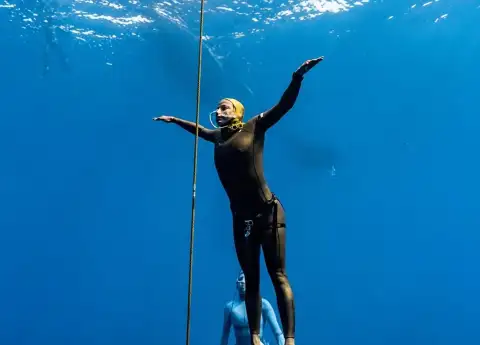
EXPLORING BUNAKEN MARINE PARK: UNDERWATER PARADISE OF NORTH SULAWESI
Discover the beauty of Bunaken Marine Park in North Sulawesi, a world-famous diving destination known for its rich coral reefs, marine biodiversity, and crystal-clear waters





Indonesia is widely known as one of the richest marine regions in the world, home to thousands of islands and extraordinary ocean biodiversity. Among its many natural treasures, Bunaken Marine Park stands out as one of the most spectacular underwater destinations in Southeast Asia.
Located near the vibrant city of Manado, this marine park attracts divers, marine researchers, and travelers from around the globe. Known for its dramatic coral walls, crystal-clear waters, and diverse marine life, Bunaken offers an unforgettable experience for anyone passionate about the ocean.
Since its establishment as a national marine park in 1991, Bunaken has become one of Indonesia’s most important conservation areas, protecting one of the richest ecosystems within the global marine biodiversity region known as the Coral Triangle.
A World-Class Diving Destination
For decades, Bunaken Marine Park has been recognized as a paradise for divers. The park covers approximately 890 square kilometers of marine area, including several islands such as Bunaken Island, Siladen Island, and Manado Tua.
What makes Bunaken unique is its underwater topography. Instead of flat coral reefs, the area is famous for its steep vertical coral walls that drop hundreds of meters into the deep ocean. These dramatic reef structures create ideal habitats for a wide variety of marine species.
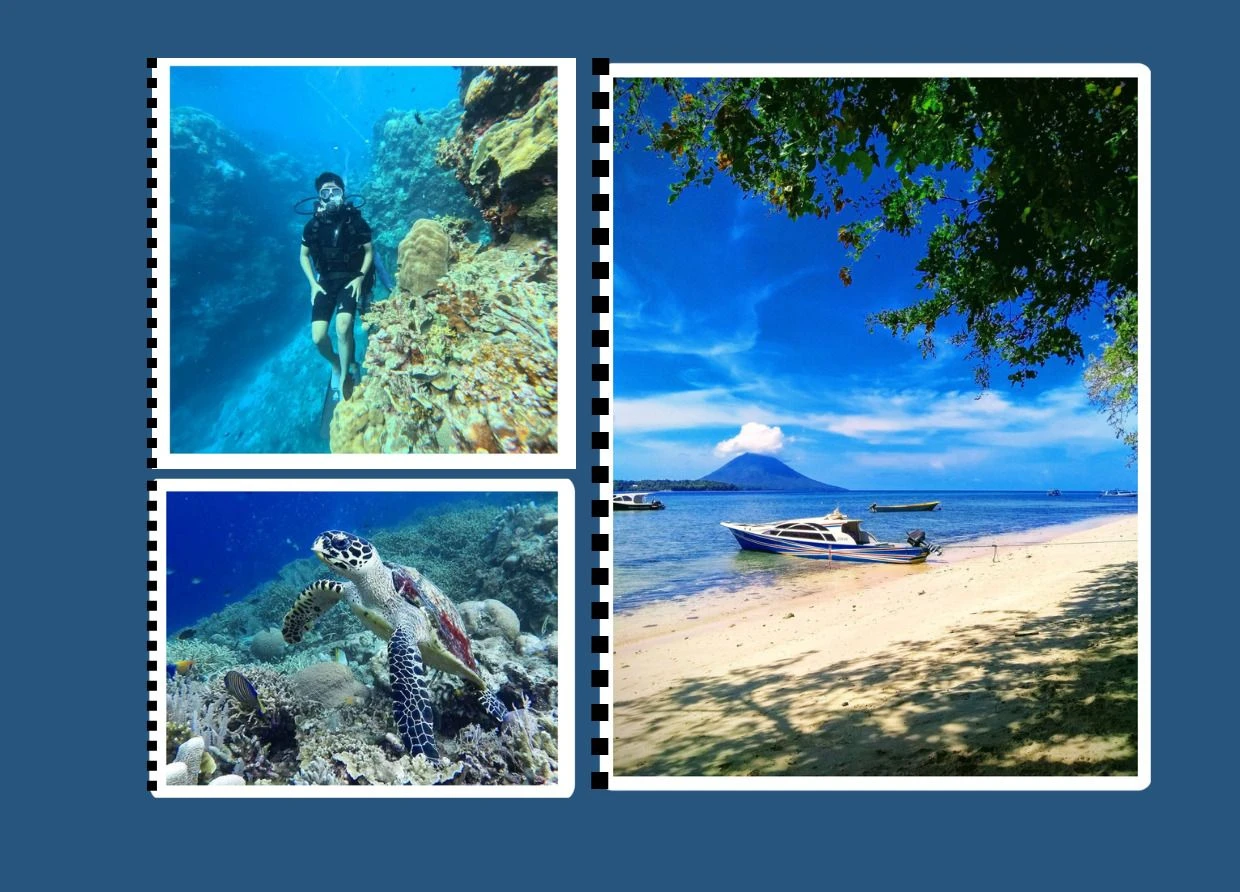
Divers exploring Bunaken often encounter vibrant coral gardens filled with tropical fish, sea turtles, reef sharks, and colorful sponges. The exceptional visibility of the water, sometimes reaching more than 30 meters, makes it possible to fully appreciate the stunning underwater landscape.
Marine scientists have recorded more than 390 species of coral and thousands of fish species in the park, making it one of the most biodiverse marine ecosystems in the world.

Rich Marine Biodiversity
The extraordinary biodiversity of Bunaken Marine Park is part of a larger ecological region known as the Coral Triangle. This region, which includes parts of Indonesia, the Philippines, and Malaysia, contains the highest diversity of coral reef species on Earth.
Within Bunaken’s waters, visitors may encounter various marine animals such as sea turtles, reef fish, nudibranchs, and sometimes even dolphins or reef sharks. The coral reefs themselves display an incredible variety of shapes and colors, forming a living underwater city that supports the entire ecosystem.
The presence of healthy coral reefs also plays a crucial role in protecting coastal communities. Coral reefs act as natural barriers that reduce wave energy and help prevent coastal erosion.
Because of its ecological importance, Bunaken has become a focal point for marine conservation efforts in Indonesia.
Tourism and Local Communities
Tourism plays a significant role in the economy of North Sulawesi, particularly in the communities surrounding Bunaken Marine Park. Many local residents work as diving guides, boat operators, or hospitality staff in eco-resorts that cater to international visitors.
This connection between tourism and conservation has encouraged sustainable practices that aim to protect the fragile marine ecosystem. Local communities, park authorities, and conservation organizations often collaborate to monitor reef health and promote responsible tourism.
Visitors are encouraged to follow environmentally friendly practices such as avoiding contact with coral reefs, reducing plastic waste, and supporting eco-conscious tourism businesses.
By respecting these guidelines, travelers can help ensure that Bunaken’s natural beauty remains preserved for future generations.
Best Time to Visit Bunaken
Although Bunaken Marine Park can be visited throughout the year, the best diving conditions typically occur between April and October. During this period, the seas are generally calmer, and underwater visibility is at its peak.
Travelers usually begin their journey in Manado, which serves as the main gateway to the marine park. From the city’s harbor, boats can reach Bunaken Island in approximately 30 to 45 minutes.
Beyond diving and snorkeling, visitors can also enjoy scenic island landscapes, white sandy beaches, and breathtaking sunsets overlooking the Sulawesi Sea.
Conservation and Future Challenges
Despite its natural beauty, Bunaken Marine Park faces several environmental challenges. Climate change, coral bleaching, and plastic pollution threaten marine ecosystems across the globe, including those within the Coral Triangle.
Conservation programs led by the Ministry of Marine Affairs and Fisheries and various environmental organizations aim to address these threats through reef monitoring, education, and sustainable tourism initiatives.
Protecting Bunaken’s biodiversity is not only important for Indonesia but also for global marine conservation efforts.
Bunaken Marine Park represents one of Indonesia’s most remarkable natural wonders. Its dramatic coral walls, vibrant marine life, and clear tropical waters create a breathtaking underwater landscape that attracts visitors from around the world.
More than just a tourism destination, Bunaken serves as a reminder of the incredible biodiversity that exists beneath the ocean’s surface. By supporting conservation efforts and responsible tourism, travelers can help preserve this underwater paradise for generations to come.
For anyone seeking an unforgettable marine adventure, Bunaken Marine Park truly lives up to its reputation as the underwater paradise of North Sulawesi.
#Bunaken Marine Park #North Sulawesi Tourism #Diving in Indonesia #Coral Triangle Biodiversity #Marine Tourism Indonesia #Bunaken Diving Spots #Underwater Paradise Indonesia #Eco Tourism Sulawesi