MEET GANESHA, THE SUMATRAN ELEPHANT CALF BORN IN RIAU
Meet Ganesha, the Sumatran elephant calf born at Tesso Nilo National Park in Riau on 28 September 2026. Here's why it matters.





At a glance
- Born: Monday, 28 September 2026
- Mother: Lisa, and this is her sixth calf
- Named: 30 September 2026, announced by the Minister of Forestry
- Pregnancy length: about 22 months for an elephant
A newborn elephant stands in the dark on wet ground, legs shaking, trunk swinging with no plan. A caption on the video reads "Welcome Baby Boy." That is how Indonesia first met Ganesha.
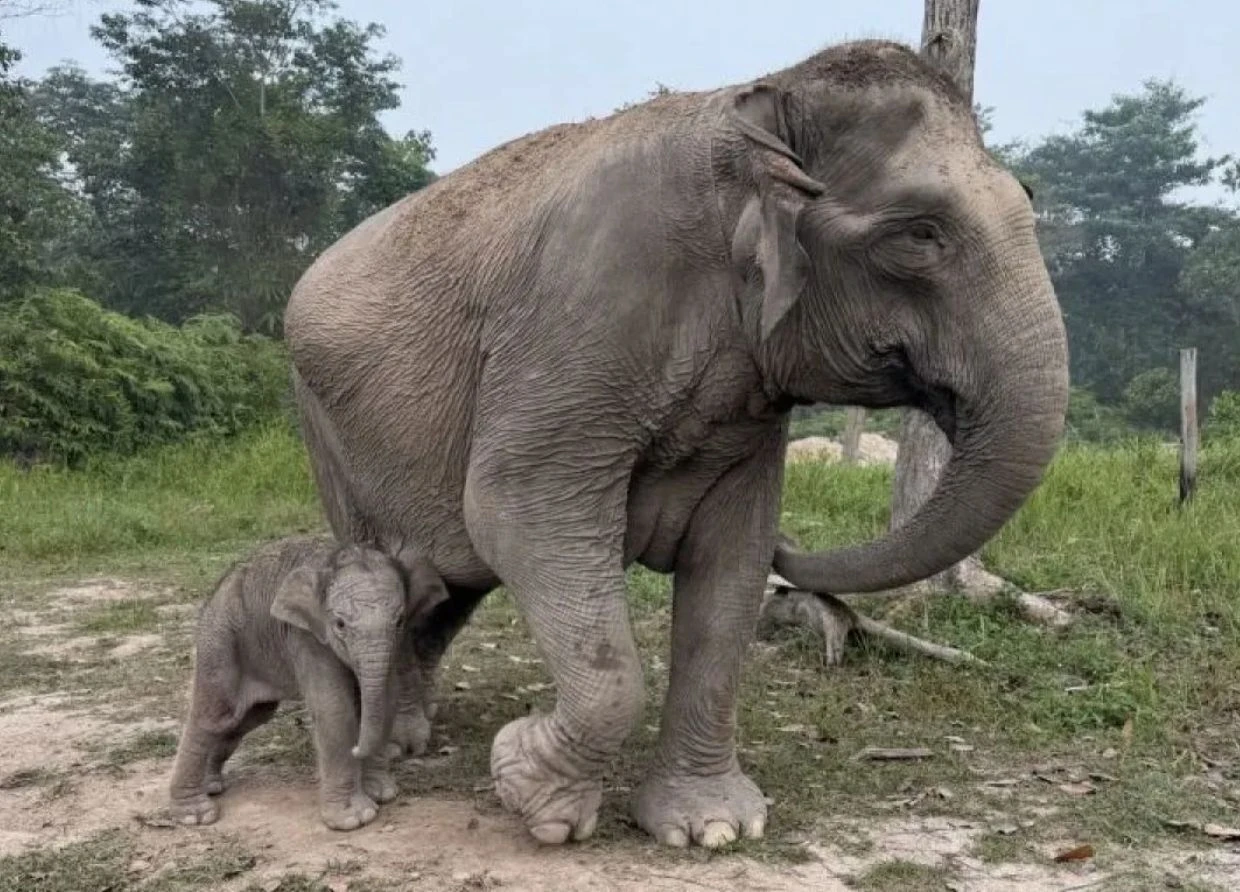
Ganesha is a male Sumatran elephant calf born on Monday, 28 September 2026, at Tesso Nilo National Park in Riau. His mother is Lisa, and he is her sixth calf. He was born healthy. His name was announced on Wednesday, 30 September 2026.
View this post on Instagram
Who is Ganesha, the new Sumatran elephant calf?
Ganesha lives in the Elephant Flying Squad camp inside Tesso Nilo National Park (Taman Nasional Tesso Nilo, or TNTN). The park's official Instagram account, @btn_tessonilo, shared the first photos and video.
In the photos, he is small and grey. His skin is wrinkled, and he stays pressed against his mother's front legs. Lisa stands over him like a wall.
Why did the calf get the name Ganesha?
The name came from Titiek Soeharto, Chair of Commission IV of the House of Representatives (DPR RI). Forestry Minister Raja Juli Antoni announced it during a working visit to Riau on 30 September 2026.
Here is a fun fact to share: Ganesha is the Hindu god with an elephant's head. It is also the symbol of Institut Teknologi Bandung, one of Indonesia's best-known universities. So the name already means "wisdom" to many Indonesians.
Why does one baby elephant matter so much?
Because there are not many left. The IUCN Red List classifies the Sumatran elephant as Critically Endangered, the last step before extinct in the wild. Forests in Riau have shrunk as plantations and farms moved in.
Elephants also breed slowly. A mother carries her baby for about 22 months, almost two years. She usually has one calf at a time. Every healthy birth is a small win in a very long game.
For Tesso Nilo, Ganesha adds a young male to the local population. The Ministry of Forestry says the birth is also a reminder to protect the forest and habitat these animals need to survive.
What is the Elephant Flying Squad?
The Elephant Flying Squad is a team of trained elephants and their handlers. They patrol the edges of the park and guide wild elephants away from villages and farmland. This helps stop fights between people and elephants.
Ganesha was born in the camp that runs this work. That means he will grow up around people who know elephants well.
What happens next?
For now, the job is simple: drink milk, stay close to Lisa, and grow. Park staff will keep watching his health. Elephant calves stay near their mothers for years, learning where to find food and water.
Many Indonesians reacted online with hearts and welcome messages. The harder question is whether there will be enough forest left for Ganesha when he grows up.