KOMODO DRAGONS IN JAPAN: SURABAYA ZOO'S PAIR DRAWS QUEUES
Two Komodo dragons in Japan from Surabaya Zoo now draw queues at iZoo, Shizuoka. Here's the 5-year breeding loan, the names, the numbers and what's next.
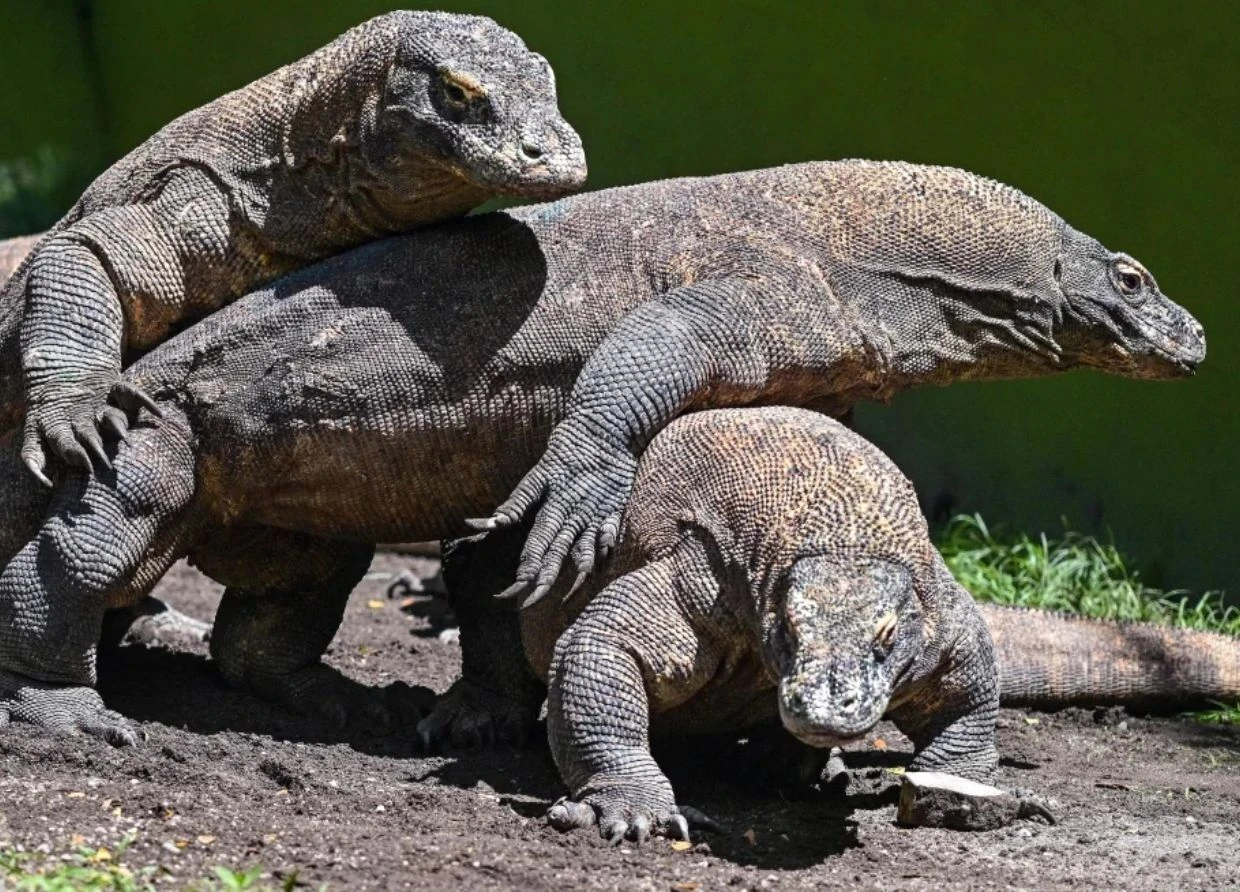



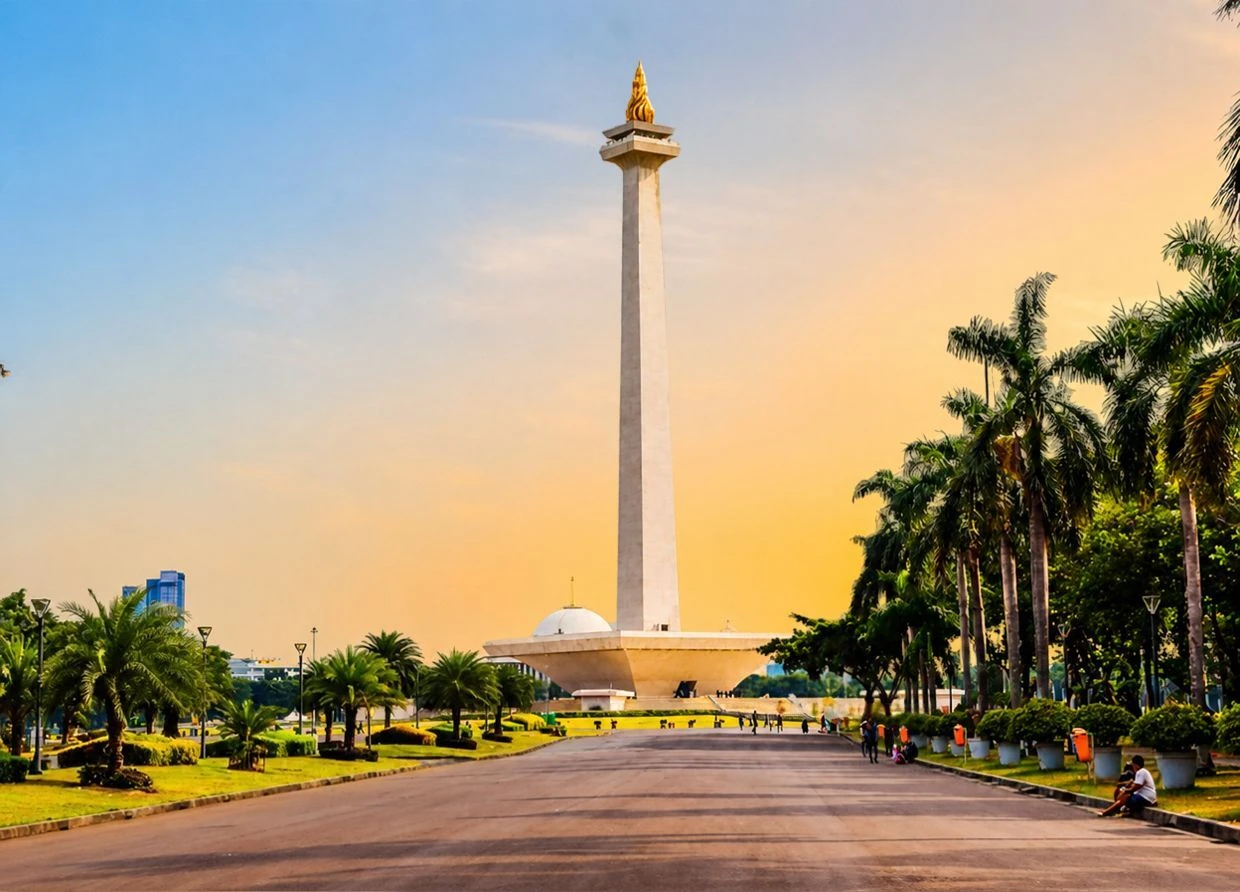
On October 31, people in Kawazu, a quiet hot-spring town on Japan's Izu Peninsula, stood in line along a metal railing to look at two very still lizards. Most had never seen a Komodo dragon in real life. Some had been waiting for years.
Here is the short version. Kebun Binatang Surabaya (KBS), also called Surabaya Zoo, has lent a male and a female Komodo dragon to iZoo, a reptile zoo in Kawazu, Shizuoka Prefecture, for five years. The pair landed at Haneda Airport on October 28, 2026, and went on public display on October 31.
Why are there Komodo dragons in Japan now?
The deal is a "breeding loan." One zoo lends animals to another so they can have babies, but the owner never changes. Any baby Komodo born in Japan will still belong to Indonesia.
Talks took around 10 years. Forestry Minister Raja Juli Antoni and Shizuoka Governor Yasutomo Suzuki signed a government agreement on March 28, 2026, during President Prabowo Subianto's state visit to Japan. KBS and iZoo then signed their own zoo-to-zoo deal in Surabaya on April 29.
"This is not just animal exchange. This is a bridge between our two countries." Tsuyoshi Shirawa, Director of iZoo, at the April 29 signing in Surabaya
Who are the two Komodo dragons?
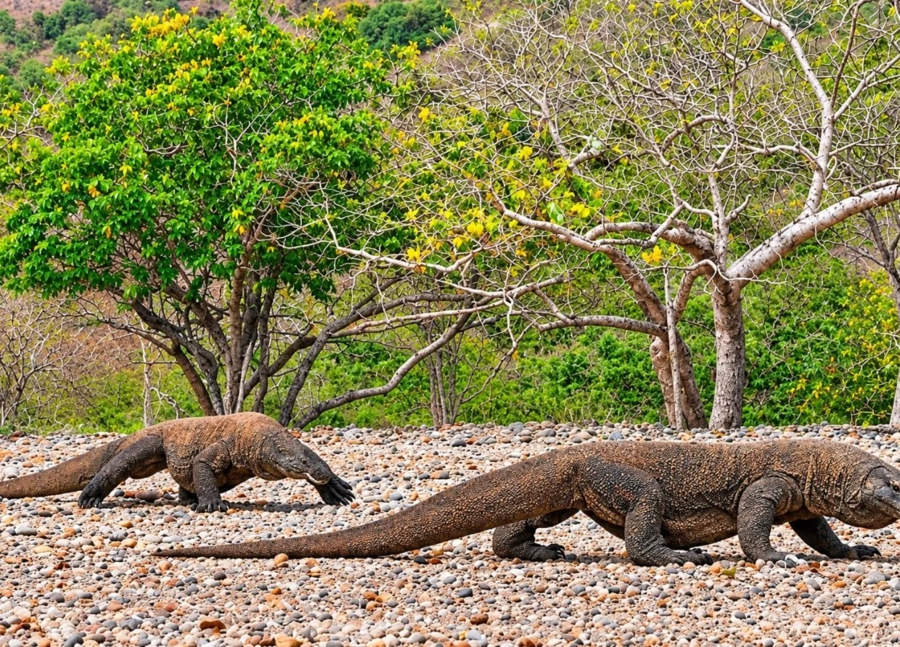
The male is called Aril and the female is Aichan. Both are 12 years old and were born and raised at KBS. Aril is 2.84 metres long and weighs 86.4 kilograms, about the weight of a grown man. Aichan is smaller, at 2.37 metres and 48.6 kilograms.
Their trip was handled with care. Japanese TV showed the dragons travelling in wooden crates marked "LIVE ANIMAL," with an official in a hard hat bending down to peek through the air vent. In their new home, the pair rest on rocks beside tall grass, tongues flicking in and out to "smell" a country they have never known.
What does Surabaya get in return?
Surabaya is not only giving. KBS received four Aldabra giant tortoises from iZoo in mid-July. The plan also includes Japanese macaques, a pair of giraffes and a pair of red pandas. Surabaya Mayor Eri Cahyadi teased the red pandas earlier this year as a surprise for residents.
Here's the part most people miss: KBS is not running low on dragons. Even after this loan, the zoo still keeps more than 50 Komodos, according to KBS Operations Director Nurika Widyasanti. Surabaya sits about 700 kilometres from the Komodo dragon's home islands, yet it has quietly become one of the most successful places in the world to breed them.
Is the Komodo breeding loan good for conservation?
For iZoo, this is a big test. Japan has never bred Komodo dragons before, and there are now only three in the whole country, spread across two zoos. If all goes well, the first eggs could come around September 2027.
Not everyone is cheering. Animal rights group PETA Asia has warned that babies born in Japan would spend their whole lives in captivity. Supporters answer that zoo-born dragons act as a backup population, since the IUCN counts only about 1,383 adult Komodos left in the wild.
For now, the queue in Kawazu says one thing clearly. Indonesia's most famous animal has become one of Japan's biggest zoo stories of the year.