ELANG JAWA SRAK 2026-2036: THE BIRD ON INDONESIA'S COAT OF ARMS IS RUNNING OUT OF TIME
Elang Jawa inspired Indonesia's Garuda emblem and it's Endangered. Inside the new SRAK 2026-2036 plan to save the country's national bird.





At a Glance
- Species status: Nisaetus bartelsi (Elang Jawa) is listed as Endangered by the IUCN
- Habitat points mapped: 74 in Java, 14 in Bali
- Regional consultations held: 3 Bandung (West), Semarang (Central), Denpasar (East & Bali)
- Plan timeline: SRAK (Strategi dan Rencana Aksi Konservasi) covers 2026–2036
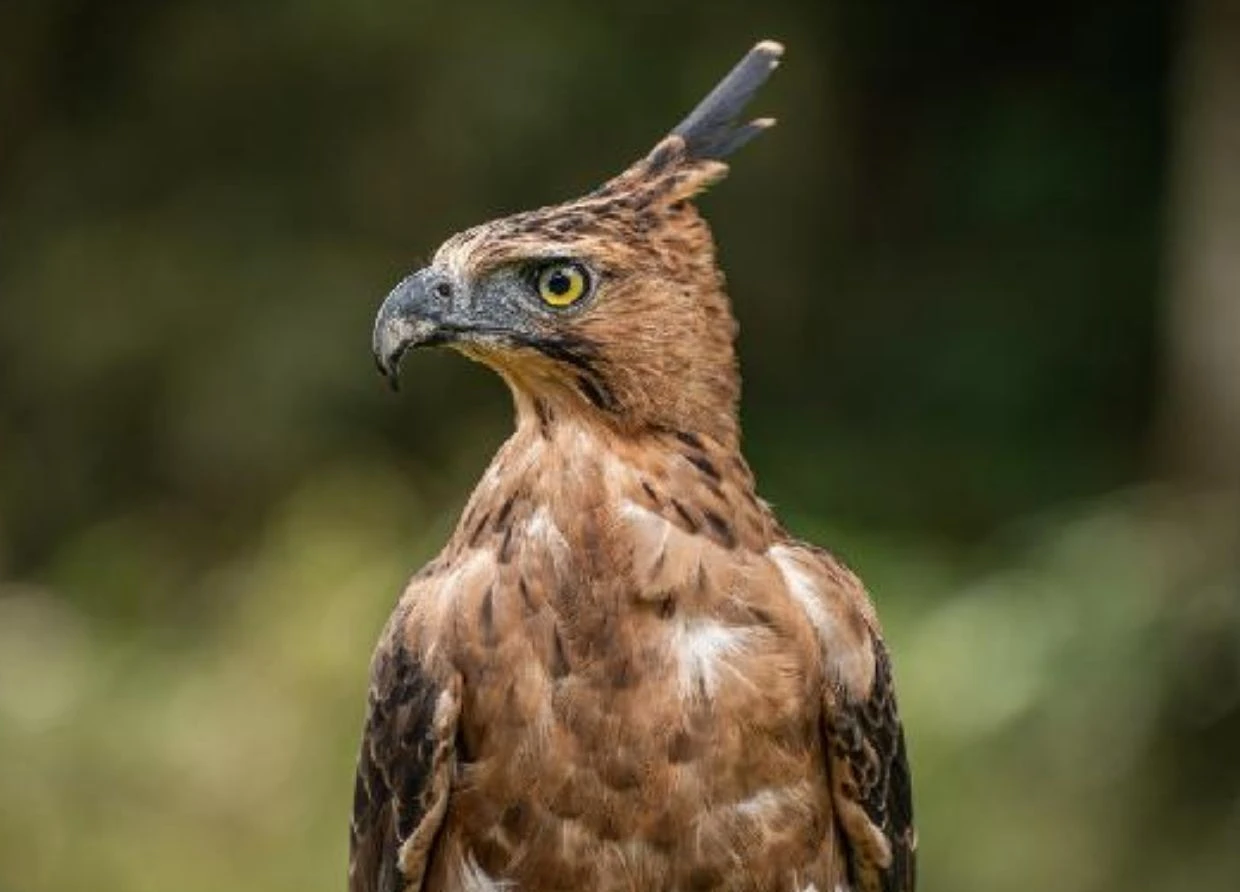
There's a bird sitting on a nest of dry branches, a twig in its beak, one golden eye locked on the camera. Black crest feathers stand up like a crown. This is the animal that inspired Garuda, the mythical creature on Indonesia's national emblem. And right now, it's Endangered.
That's the uncomfortable fact behind the third and final Public Consultation for the Elang Jawa SRAK 2026-2036 a national conservation strategy which closed recently at Padma Resort Legian in Bali. The event pulled together Indonesia's Ministry of Forestry (Kementerian Kehutanan), academics, environmental NGOs, the private sector through Bakti Lingkungan Djarum Foundation, and a room full of young people, all working on one document.
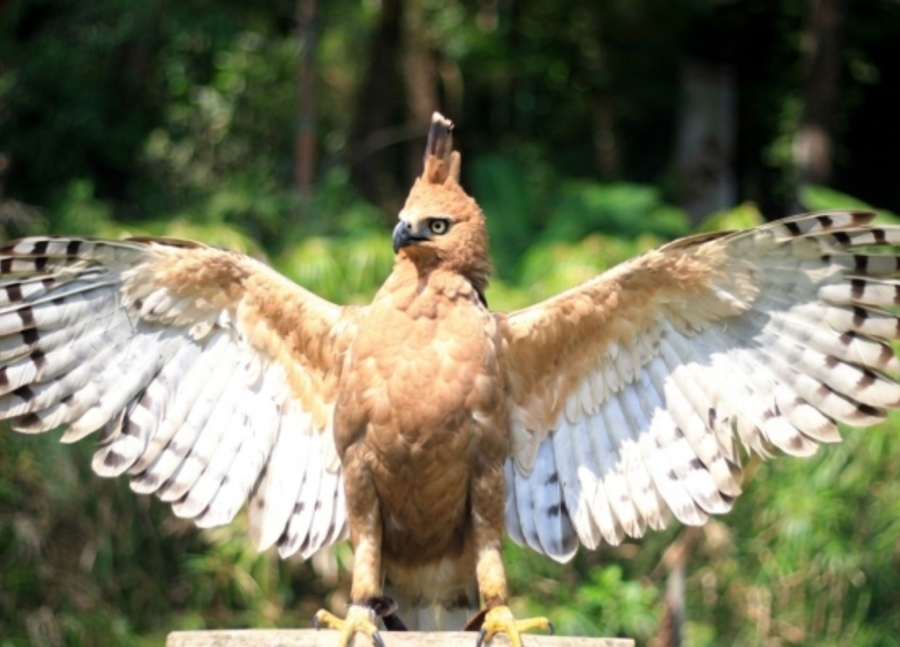
Credit : news.tamansafari.com
What Is Elang Jawa, and Why Does It Matter?
Elang Jawa, or the Javan Hawk-Eagle, is found only on the island of Java and, more recently, confirmed in parts of Bali. Its silhouette became the visual basis for Garuda, the state symbol stamped on every Indonesian passport and coin.
Despite that status, its population has been shrinking for decades due to deforestation and habitat fragmentation across Java's remaining forest patches. The bird that represents national strength on paper is fighting for survival in the wild.
What Is the SRAK 2026-2036 Plan?
SRAK stands for Strategi dan Rencana Aksi Konservasi Conservation Strategy and Action Plan. It's a ten-year roadmap the Ministry of Forestry will use to guide habitat protection, population recovery, and cross-sector collaboration for Elang Jawa.
The document isn't written behind closed doors. It's built through public consultations held across three regions: West Java (Bandung), Central Java (Semarang), and East Java plus Bali (Denpasar). Each session mixed focus group discussions, habitat mapping, and open sessions where participants proposed concrete recovery actions especially for Java's east and Bali, where numbers are thinnest.
Where Are Elang Jawa Habitats Located?
Mapping from the three regional consultations identified 74 habitat points across Java and 14 across Bali, based on data compiled by Raptor Indonesia. That Bali number is the surprising part most people assume this bird exists only on Java, but confirmed sightings have pushed conservation planning into Bali for the first time in this SRAK cycle.
Who Is Involved in the Conservation Effort?
This isn't a government-only initiative. Bakti Lingkungan Djarum Foundation has been a visible partner throughout the process, alongside NGOs and university researchers.
Anthony Budiman, a representative of Djarum Foundation, describing the private sector's role in shaping the plan's structure.
Tedi Setiadi, part of the team drafting the SRAK document, pointed to a different kind of contributor: young people, whose reach on social media can spread awareness "hanya dengan ujung jempol" with just a thumb-tap.
How Can Ordinary People Help?
The Bali session closed with a side event: a documentary screening and talkshow aimed squarely at Gen Z attendees, many of whom left with hands crossed over their chests in the bird's signature wing pose for a group photo. The message was simple you don't need a forestry degree to help. Following credible conservation accounts, sharing verified information, and supporting organizations tracking Elang Jawa populations all count.
The finalized SRAK 2026-2036 document is now headed to the Ministry of Forestry for official ratification.