UNESCO GLOBAL GEOPARK INDONESIA: 5 SITES KEEP THEIR STATUS, 1 JOINS THE LIST
Five Indonesian geoparks just kept their UNESCO status with a Green Card, and Bojonegoro joined the list. Here is what it means and why it matters.
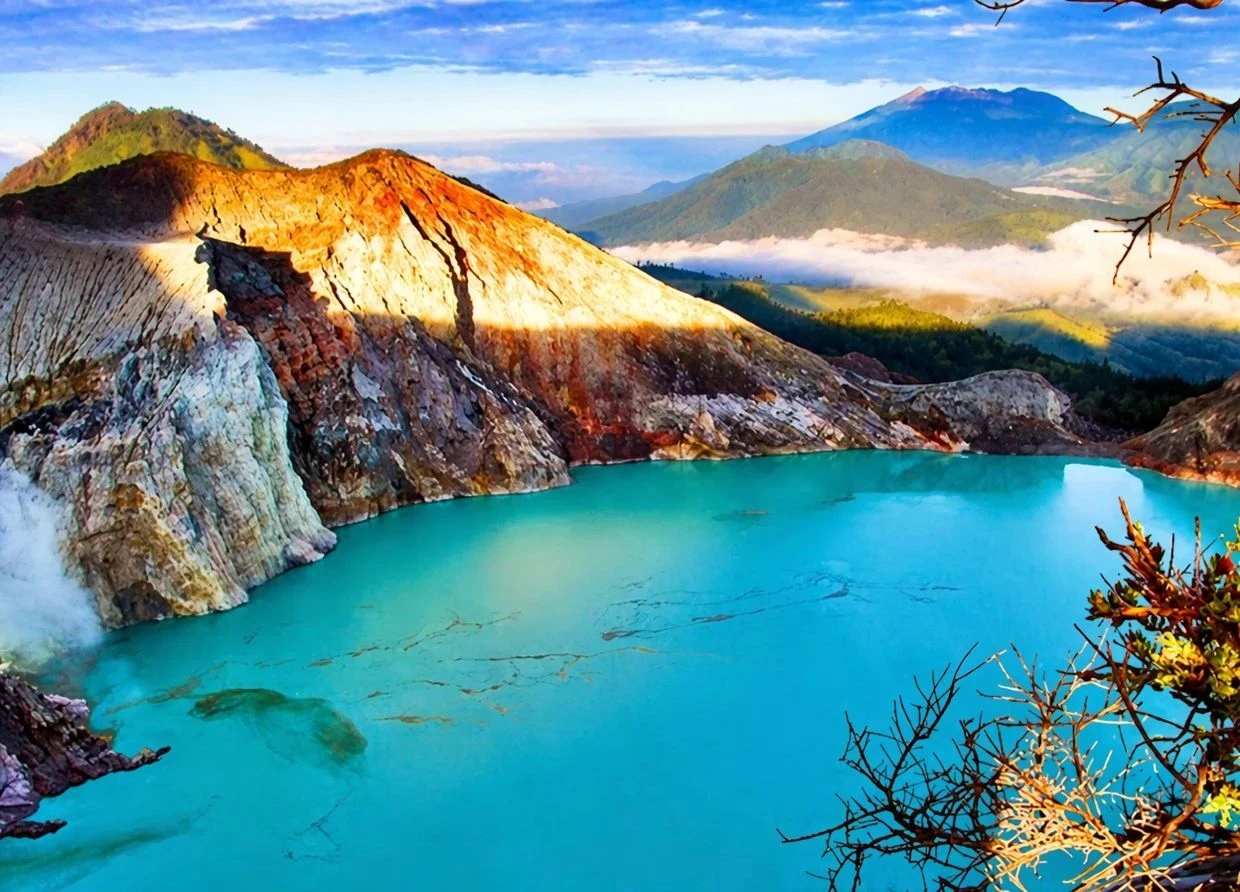



At Ijen crater in East Java, the first thing you notice is not the view. It is the smell of sulfur, sharp enough to make your eyes water, drifting over a lake the color of a swimming pool. Most visitors hold a cloth over their noses and keep walking. Now UNESCO has confirmed the walk is worth it.
Here is the part most people miss. A UNESCO Global Geopark title is not permanent. Every geopark is checked again, and a bad review can put the label at risk.
On 2–4 November 2026, the UNESCO Global Geoparks Council held its session, and five Indonesian geoparks kept their status by earning a Green Card. They are Raja Ampat, Belitung, Merangin Jambi, Ijen, and Maros Pangkep. The same session approved Bojonegoro in East Java as a brand-new UNESCO Global Geopark. Each
park passed a review of how it protects its rocks and landscapes and how it shares tourism benefits with local people.
At a glance
- 5 Indonesian geoparks kept their UNESCO status
- 1 new geopark approved: Bojonegoro
- 3 days of council sessions (2–4 November 2026)
- 6 Indonesian sites in this round of good news
What is a UNESCO Global Geopark?
It is an area with rocks, fossils, and landscapes important enough to be studied around the world. It is also managed together with the people who live there.
The idea is simple: protect the land, teach visitors about it, and let local communities earn from tourism. Unlike a classic national park, the focus is on people as much as on nature.
Lihat postingan ini di Instagram
What does a Green Card mean?
Green means pass. UNESCO reviews each geopark regularly, and the result comes as a colored card. Green means keep going, yellow means fix these problems, and red means the title is removed.
Five Indonesian geoparks showed they are still doing the work: protecting geological sites, running education programs, and sharing tourism income with nearby villages.
Which Indonesian geoparks kept their UNESCO status?
Raja Ampat is the postcard one: green limestone islets sitting in clear turquoise water. Belitung, off the east coast of Sumatra, offers a white lighthouse on a tiny island and granite boulders along the shore.
Merangin Jambi, on Sumatra, is easier to hear than to see. You find it by the roar of a waterfall inside thick forest. Ijen has the sulfur smoke and the turquoise crater lake. Maros Pangkep in South Sulawesi has gray stone pillars rising from a grassy valley, with a traditional wooden house standing right beside them.
Why is Bojonegoro the one to watch?
Bojonegoro is the new name on the list. The East Java regency now carries the same label as Raja Ampat and Ijen. Its calling card in the announcement is a landscape of rolling green hills and a wide river bend.
According to the announcement, the approval shows Indonesia’s effort to protect its geological heritage, improve how geoparks are managed, and grow tourism that benefits local people.
Why does UNESCO Global Geopark Indonesia status matter for travelers?
Because the label changes how a place is run. It pushes local guides, homestay owners, and park managers to keep sites clean and the stories accurate.
For you, that usually means a trip where more money stays in the village. It also means you can plan a route around these places, such as Ijen and Bojonegoro in East Java in one trip, or Belitung and Merangin Jambi on Sumatra.