RATNAGANADI PARAMITA: THE NEUROSCIENTIST WHO SINGS INDONESIA'S POETRY TO THE WORLD
Meet Ratnaganadi Paramita, the Indonesian neuroscientist-soprano behind Tembang Puitik and the world premiere of Uruguayan art songs in Jakarta.
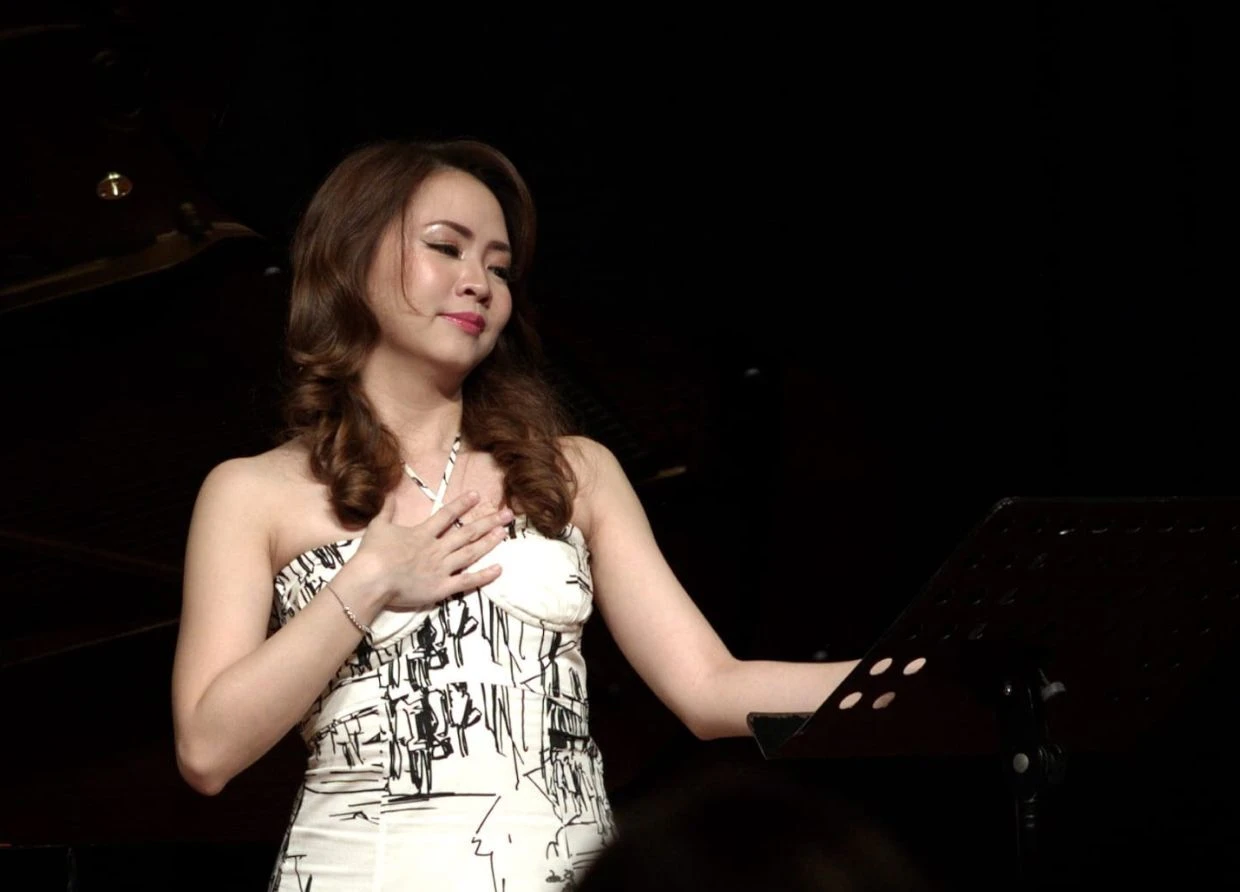


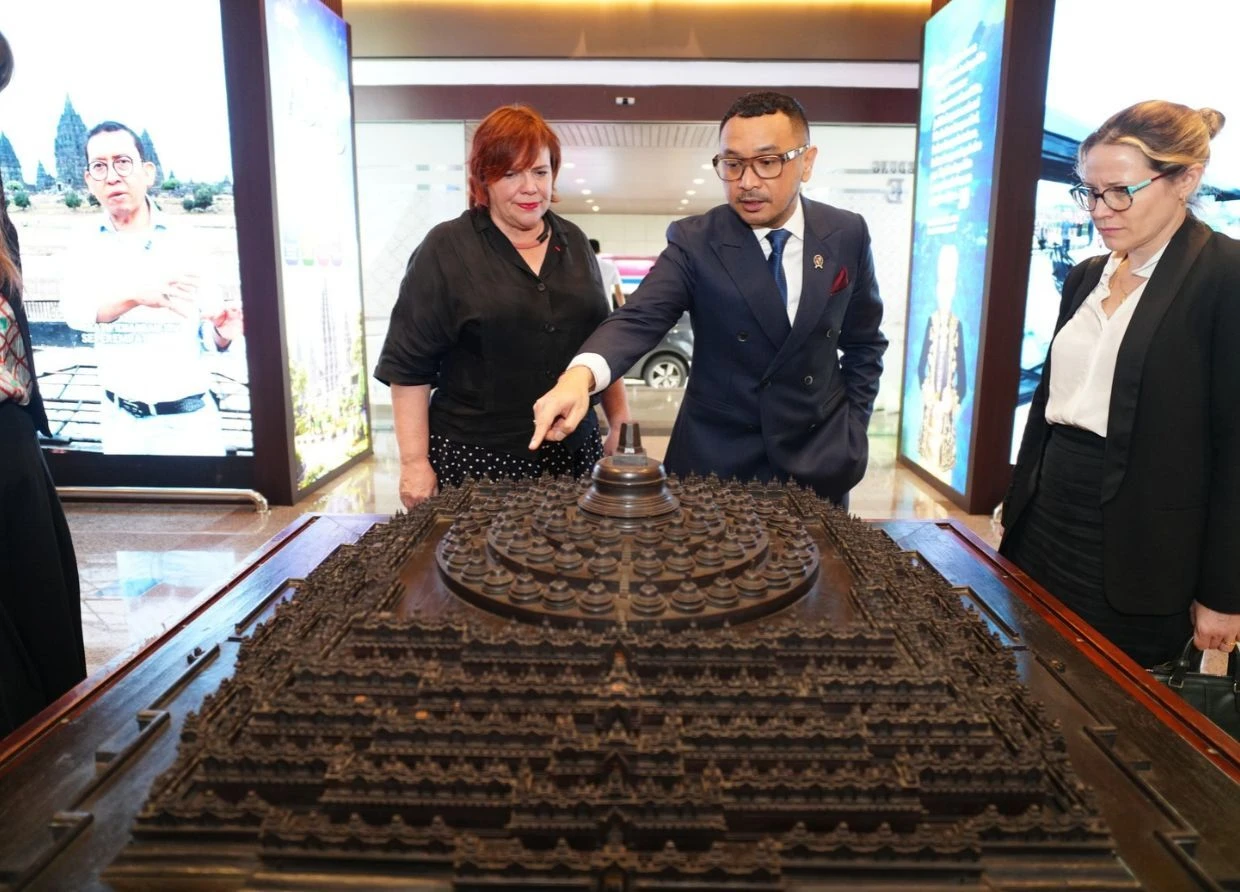
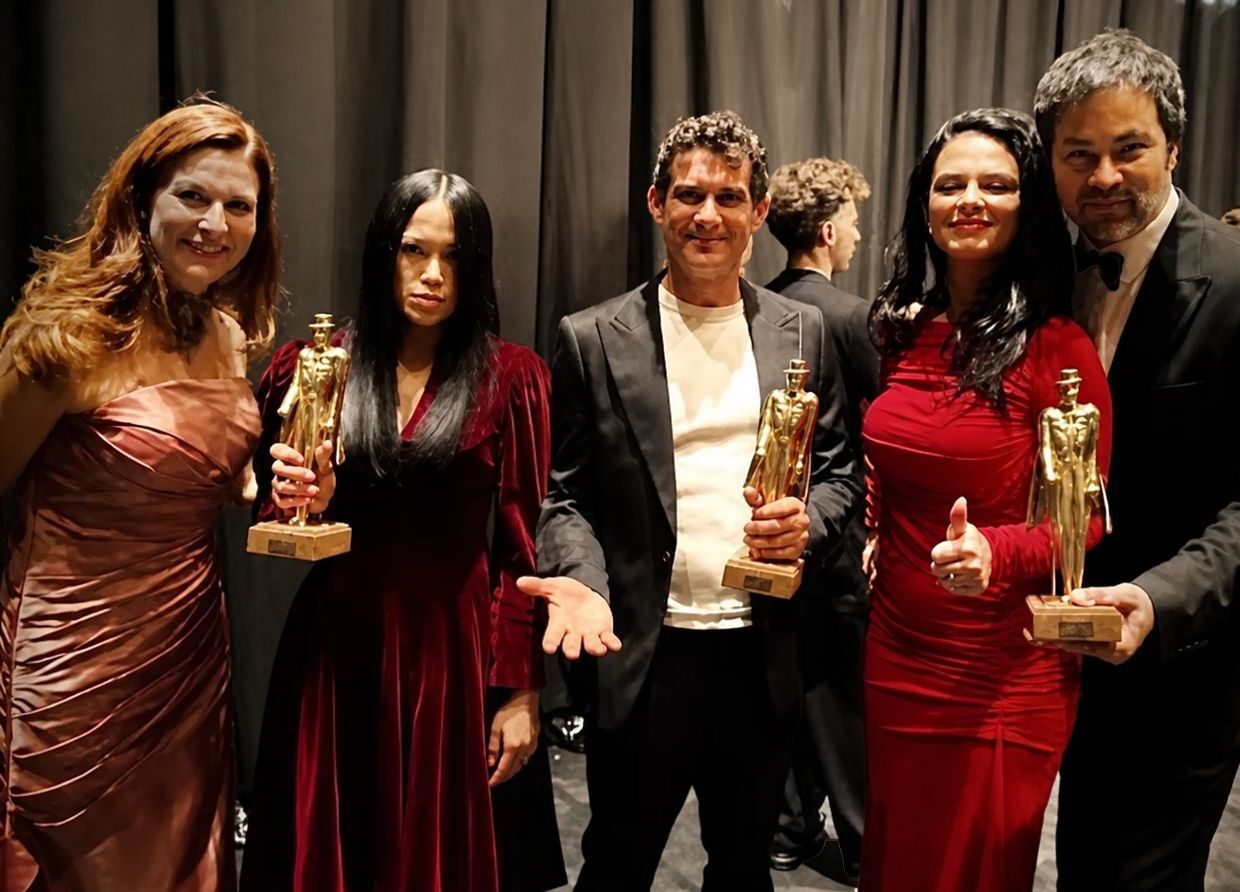

A soprano steps up to a piano in Jakarta. The pianist is Uruguayan. The poems are in Spanish. The singer, trained as a neuroscientist, has spent years learning that a wrong vowel can say more than a wrong note ever could.
That singer is Ratnaganadi Paramita known to friends simply as Ratna. She doesn't choose between science and art. She uses one to power the other.
Ratnaganadi Paramita is an Indonesian neuroscientist and classical soprano known for performing Tembang Puitik, Indonesia's art song tradition. She trained at the University of California, San Diego (UCSD) on a full scholarship from the Eka Tjipta Foundation, won first prize at the Kompetisi Piano Nusantara Plus (KPN+) in 2024 and the top award at the Ananda Sukarlan Award in 2025, and on 21 August 2026 gave the world premiere of "Three Uruguayan Poems" in Jakarta.
At a glance
- 2007: Received the Satyalancana Wira Karya (Medal of Honour) from the Indonesian government
- 2010: Full scholarship to UCSD from the Eka Tjipta Foundation
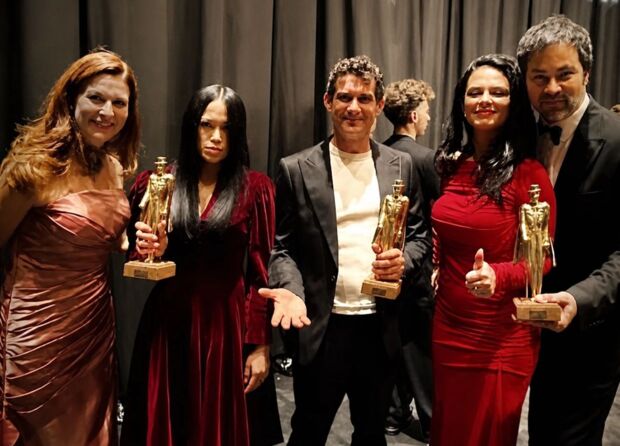
- December 2024: First prize, KPN+ Tembang Puitik category, with "Sepanjang Prawirotaman"
- 21 August 2026: World premiere of "Three Uruguayan Poems" at Yamaha Music Indonesia Hall, Jakarta
Who is Ratnaganadi Paramita?
By training, she is a neuroscientist. At UCSD, she studied neural networks and the mechanics of behavior while also studying voice under Professors Phillip Larson and Tiffany Du Mouchelle, and the late Maestro János Négyesy. She returned to Indonesia and became Head of Business Development in healthcare. The stage kept pulling her back.
What is Tembang Puitik, and why does it matter?
Tembang Puitik means "poetic song" Indonesian poems set to classical music. Composer Ananda Sukarlan built the genre almost single-handedly, setting hundreds of Indonesian poems to music. Ratna became his interpreter of choice, drawn to poems about womanhood and injustice, including "Membaca Ibu" by Heru Mugiarso and works by poets Galuh Ayara, Rissa Churria, and Emi Suy.
"She is not only technically accomplished but engages the poetic text with intellectual depth, seeking out its emotional core," Ananda Sukarlan said while judging the KPN+ competition.
How did a neuroscience scholarship lead to opera stages?
Ananda first heard her at a competition and, as she puts it, "discovered" her. In September 2025, he composed "Aku Cinta Pada-Mu" for her and performed it at the 13th Pertemuan Penyair Nusantara. Her name appeared on the printed score not as a footnote, but as proof the piece was built with her voice in mind.
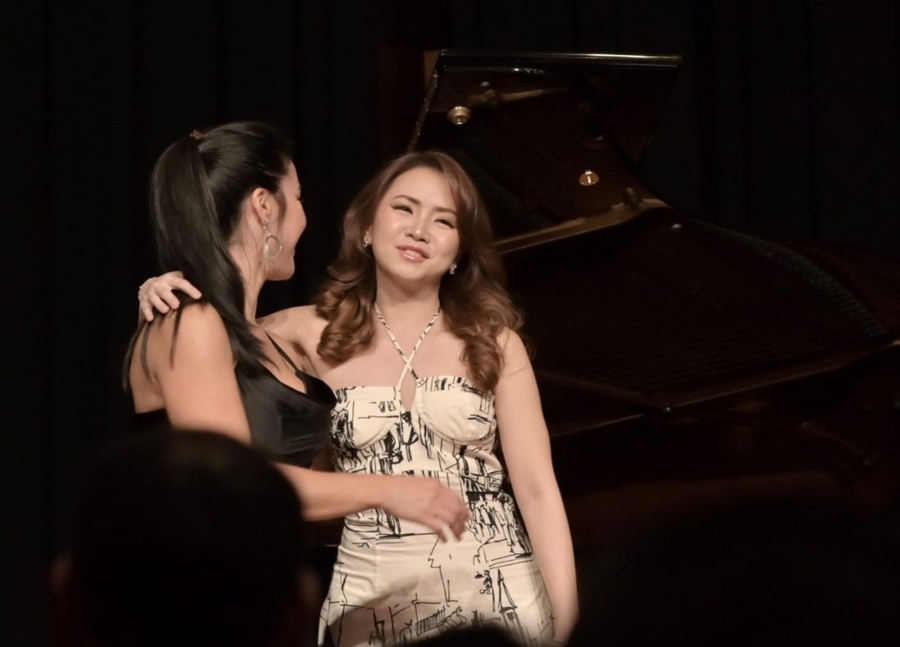
Credit : Doc by Suwandi Dharma
What happened at the "Ecos del Plata" concert?
On 21 August 2026, the Embassy of Uruguay hosted "Ecos del Plata" at Yamaha Music Indonesia Hall to mark 60 years of Indonesia-Uruguay diplomatic ties. Ratna, with Uruguayan pianist Mariana Airaudo, premiered Sukarlan's "Three Uruguayan Poems," setting works by Mario Benedetti and Juana de Ibarbourou. She sang in Uruguayan-accented Spanish while Airaudo worked pentatonic, gamelan-inflected phrases into the piano part. One mispronounced vowel, one off-color note, and the diplomacy could have curdled into offense instead of goodwill. Neither happened.
How much has Tembang Puitik grown in Indonesia?
Interest is climbing fast. Entries to KPN+ have tripled every year for three straight years, and the 2026 edition will tour eleven cities from September to December. Alongside Ratna, artists like sopranos Isyana Sarasvati and Mariska Setiawan, and pianists Dr. Edith Widayani and Michael Anthony Kwok, are widening the genre's audience.
For Ratna, the throughline is simple: a brain that understands structure, and a voice that carries meaning past language barriers proof that classical music still has something to say in an age run by algorithms.