9 INDONESIAN SAMBAL VARIETIES YOU NEED TO KNOW NOW
From Sumatra's fiery Sambal Andaliman to Bali's Sambal Matah, discover 9 Indonesian sambal varieties and where to taste them in 2026.




At a Glance
- 9+ distinct regional sambals featured, from Sumatra to Papua
- 26 September – 4 October 2026: dates for Wonderful Indonesia Gastronomy (WIG)
- 4 cities: Jakarta, Yogyakarta, Solo, and Bali host the event
- 1 ingredient rule broken constantly: some sambals skip chili's usual partner, garlic, and lean on smoked fish, raw shallot, or lemongrass instead
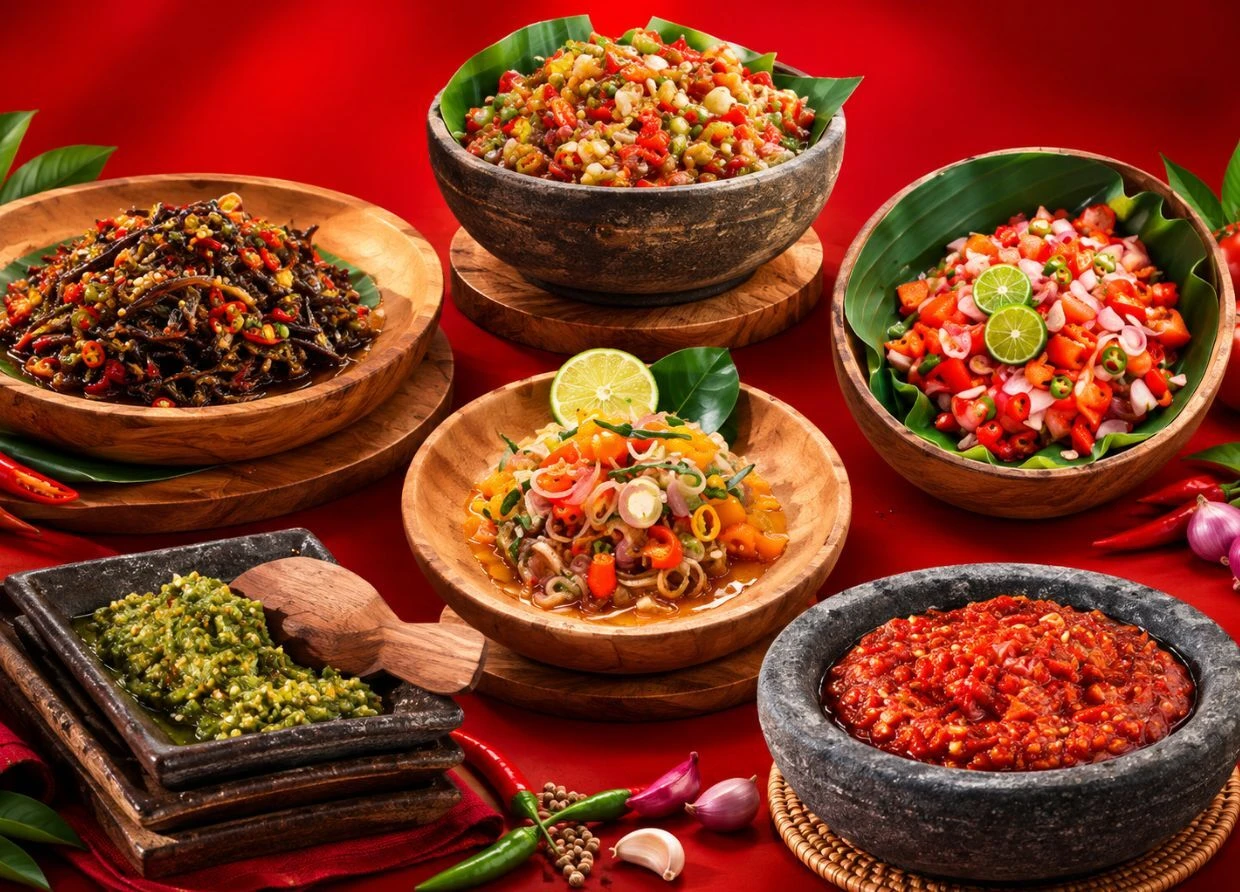
Ask someone outside Indonesia what sambal is and they'll probably say "chili sauce." Ask someone in Toba, North Sumatra, and they'll hand you a green paste made with andaliman peppercorn that makes your lips buzz before it burns. That's the gap this story is about.
Sambal is a category of Indonesian chili-based condiments, not a single recipe there are dozens of regional versions, each built around local ingredients like smoked fish, raw shallots, lemongrass, or fermented shrimp paste (terasi). They're served fresh or cooked, mild or punishing, and eaten with everything from grilled seafood to fried chicken. Indonesia's Ministry of Tourism is spotlighting this diversity through Wonderful Indonesia Gastronomy (WIG), running 26 September to 4 October 2026 across Jakarta, Yogyakarta, Solo, and Bali.
View this post on Instagram
What Makes Indonesian Sambal Different From Hot Sauce?
Bottled hot sauce is usually one formula scaled for shelf life. Sambal is closer to a regional dialect the base ingredient signals where you are. In Toba Highlands, North Sumatra, Sambal Andaliman gets its citrusy, tongue-numbing kick from andaliman peppercorn and is served alongside Batak grilled fish and arsik. Two provinces over in West Sumatra, Sambal Lado Mudo turns green chilies into a bright, herbal counterpoint to rendang and ayam pop.
Java takes a rougher, garlic-forward route. Sambal Bawang, common across Central and East Java, is just crushed chilies and garlic no cooking required and it's the default partner for fried chicken and street food stalls. Sambal Terasi from West Java adds fermented shrimp paste for a funkier, umami edge.
View this post on Instagram
Which Sambal Varieties Should You Try First?
If you're new to sambal, start with the ones built for contrast rather than pure heat. Sambal Matah from Bali is raw: sliced shallots, lemongrass, and lime juice, never cooked, meant to sit on top of grilled seafood and stay crunchy. Dabu-Dabu, from Sulawesi, does something similar with diced tomato, chili, and lime, built to cut through Manado's smoky grilled fish.
Coastal regions lean into smoke instead of freshness. Sambal Roa from North Sulawesi is made with smoked roa fish pounded into the chili paste it tastes closer to a savory relish than a condiment. Papua's Sambal Asar follows the same smoked-fish logic, while Sambal Lu'at from East Nusa Tenggara is tangy and herbaceous, traditionally paired with se'i, the region's smoked beef.
"You can trace a family's home province just by tasting which sambal they put on the table first." a common line among Indonesian home cooks describing sambal as regional shorthand rather than a single dish
Where Can You Taste Real Regional Sambal in 2026?
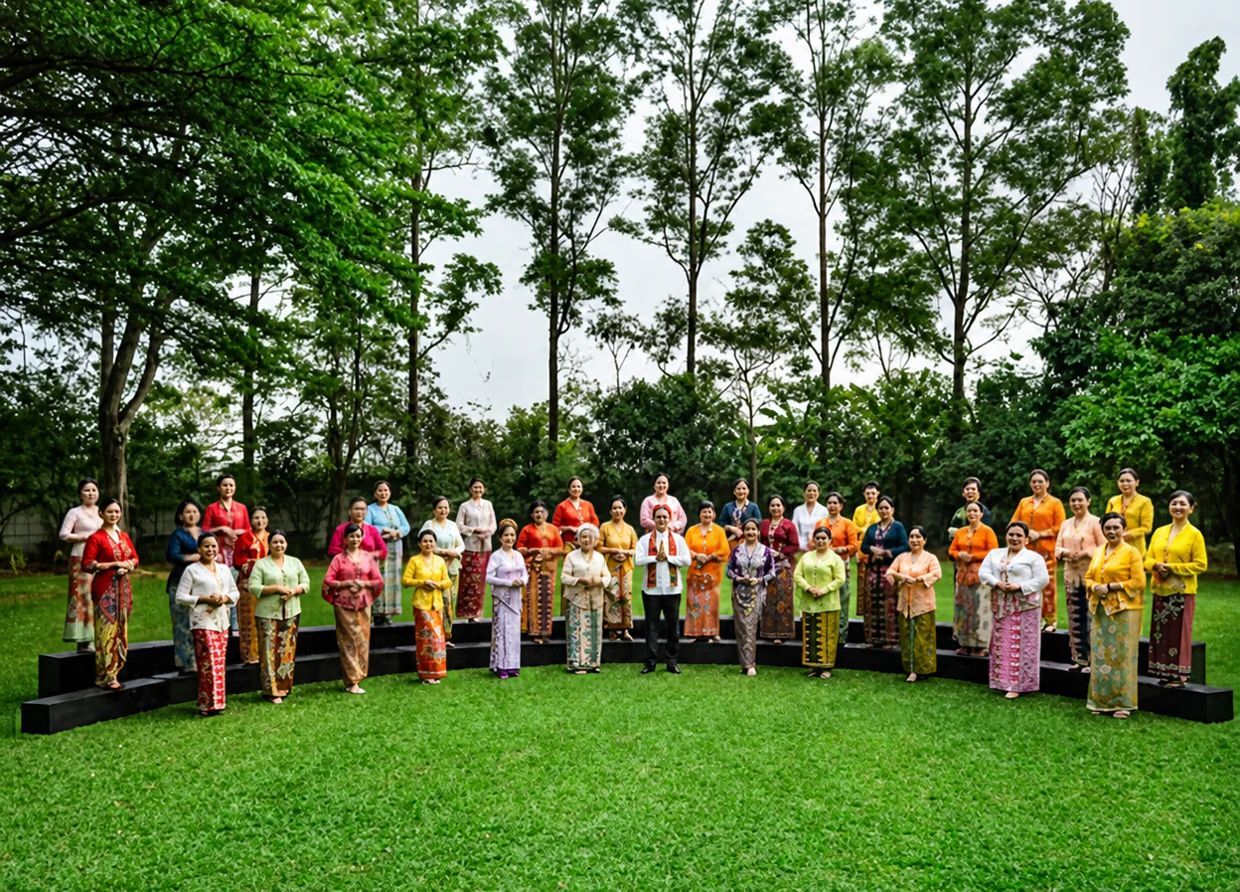
This is exactly the gap WIG is trying to close. Instead of one national "Indonesian sambal," the event pairs each regional version with its home dish across four cities over nine days, treating sambal as a starting point into a much longer food story one Indonesia's tourism ministry is framing as "From Our Traditions to the World's Table."